
Tue Oct 21 15:27:50 UTC 2025: Summary:
A government committee in India has issued directives to transmission utilities, including major players like Adani Group and NTPC, to improve maintenance practices following the failure of 75 Extra High Voltage (EHV) transmission line towers in the first half of 2025. Climate change, specifically altered wind intensity, is cited as a key factor in these failures, though utilities often lacked supporting wind data. Other causes included foundation damage, structural issues, and deterioration. The committee has recommended enhanced line patrolling, immediate repairs, adherence to updated wind maps for tower design, and development of in-house design expertise. They also emphasized digitizing spare parts inventory and timely reporting of incidents with accurate wind data, potentially obtained from the IMD, airports, or wind farms.
News Article:
Indian Government Orders Maintenance Overhaul After Transmission Tower Failures
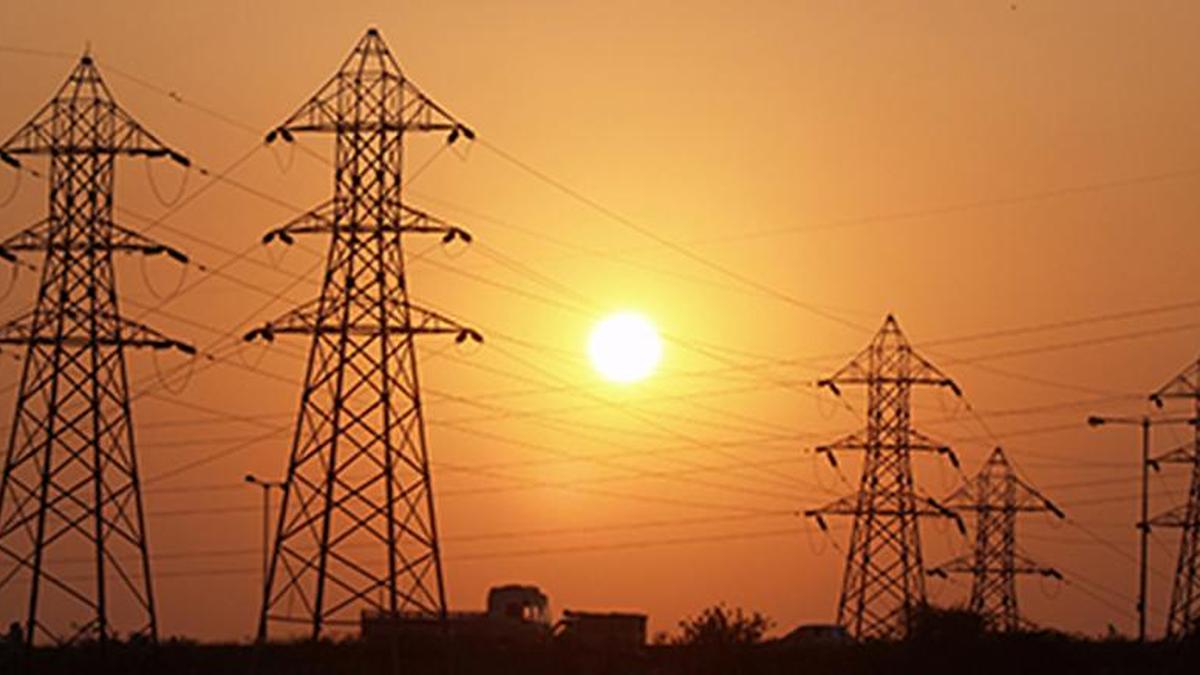
New Delhi, October 21, 2025 – In the wake of 75 Extra High Voltage (EHV) transmission line towers collapsing across India between January and June this year, a government committee has mandated stringent maintenance upgrades by all transmission utilities, including prominent firms like the Adani Group and state-owned NTPC.
The failures, which occurred across 22 transmission lines, are attributed in part to shifting wind patterns potentially exacerbated by climate change. However, the committee report noted a lack of supporting wind data from utilities to substantiate these claims. Other contributing factors included damage to foundations and structural deficiencies in the towers themselves.
“The reliability of our power transmission infrastructure is paramount,” stated a representative from the Central Electricity Authority (CEA). “These failures represent a serious concern, and we are taking immediate action to ensure they are not repeated.”
The CEA’s directives include increased line patrolling, swift replacement of damaged components, and adherence to the latest wind maps in tower design. Utilities are also being urged to develop in-house expertise for analyzing tower design and to digitize their spare parts inventory for efficient management.
The committee has further emphasized the importance of accurate and timely reporting of any future incidents, including verifiable wind speed data. Utilities are encouraged to collaborate with the India Meteorological Department (IMD), airports, and local wind farms to obtain this crucial information. A three-month deadline has been set for submitting closure reports on all tower failures.
The directive comes as India continues to expand its renewable energy capacity and relies heavily on a robust transmission network to deliver power across the country. The government’s intervention signals a commitment to ensuring the resilience of this vital infrastructure in the face of climate change and other challenges.
 First Piper