
Wed Oct 15 04:07:59 UTC 2025: **Summary:**
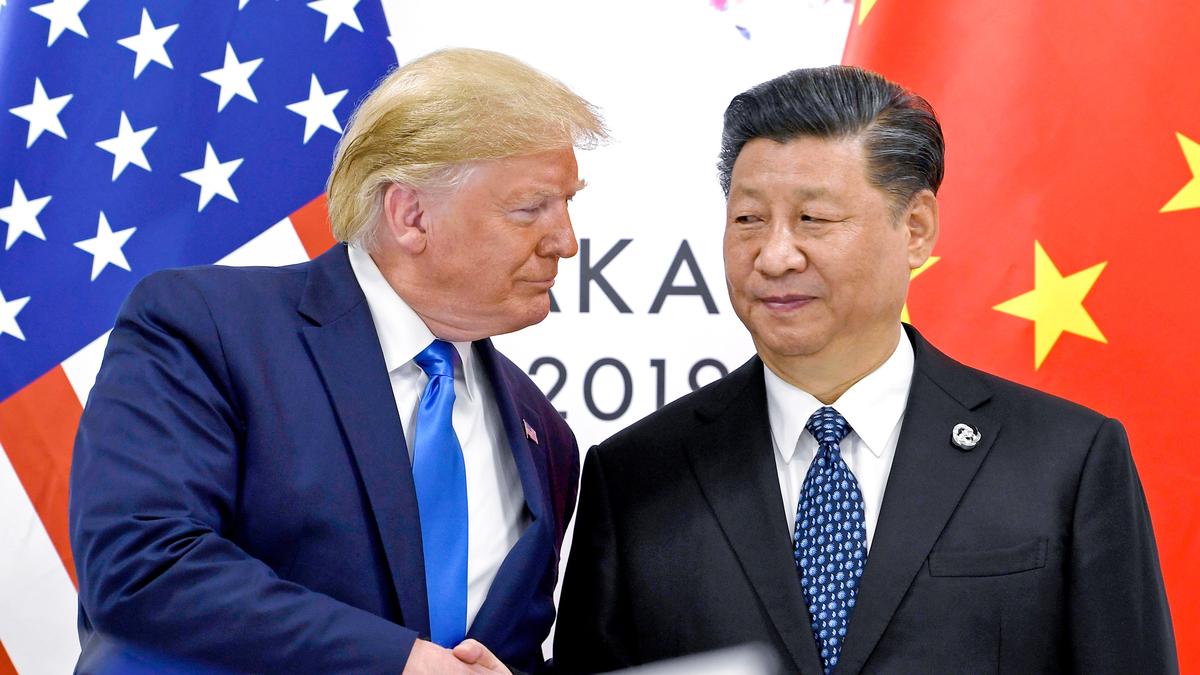
President Donald Trump threatened to terminate some trade ties with China, including cooking oil, accusing them of economic hostility by reducing U.S. soybean purchases. China has reduced U.S. soybean purchases in favour of buying from Brazil and Argentina due to tariff and trade disputes. Tensions between Washington and Beijing remain high over trade, technology, human rights, and geopolitical issues.
**News Article (View from India):**
**U.S. Threatens Trade Termination with China Over Soybean Dispute: An Indian Perspective**
**WASHINGTON, D.C. (October 15, 2025) -** U.S. President Donald Trump has escalated trade tensions with China, announcing Washington is considering terminating some trade agreements, including those related to cooking oil. This move comes in response to what Trump describes as China’s “economically hostile act” of purposefully reducing purchases of U.S. soybeans.
“I believe that China purposefully not buying our Soybeans, and causing difficulty for our Soybean Farmers, is an Economically Hostile Act,” Trump stated via social media. “We are considering terminating business with China having to do with Cooking Oil, and other elements of Trade, as retribution.”
China, the world’s largest buyer of soybeans, has significantly reduced its reliance on U.S. soy, opting instead to source from Brazil and Argentina. This shift is largely attributed to ongoing tariff and trade disputes between Washington and Beijing, a situation that has been simmering for years and intensified under the Trump administration.
From an Indian perspective, this development raises concerns about the potential ripple effects on the global agricultural market. As China seeks alternative sources for soybeans, countries like Brazil and Argentina could see increased demand and potentially higher prices. This could impact India’s own soybean imports and domestic agricultural economy.
Beyond soybeans, the broader trade dispute between the U.S. and China has implications for global trade dynamics. India, as a major player in the global economy, will need to carefully navigate these shifting alliances and trade policies to protect its own economic interests. The long-term impact on global supply chains and the potential for further trade disruptions remain a significant concern for India and other nations worldwide.
The U.S. and China have been locked in a protracted battle over issues ranging from trade imbalances and technology to human rights and geopolitical influence. This latest development suggests that a resolution is not imminent and that the global economy will continue to grapple with the uncertainty generated by this ongoing rivalry.
 First Piper