
Wed Oct 15 06:10:07 UTC 2025: Here’s a summary and rewritten news article based on the provided text:
**Summary:**
Pakistan and the IMF have reached a staff-level agreement, paving the way for $1.2 billion in funding. This includes $1 billion under the Extended Fund Facility (EFF) and $200 million under the Resilience and Sustainability Facility (RSF). The agreement follows discussions on the second review of the EFF and the first review of the RSF climate loan. While the IMF acknowledges Pakistan’s progress in macroeconomic stability, the recent floods have negatively impacted the country’s GDP forecast. Pakistan has committed to prudent financial policies, revenue mobilization, and structural reforms, especially regarding circular debt in the power sector and enhancing climate resilience.
**News Article:**
**Pakistan Secures $1.2 Billion IMF Bailout After Agreement Reached**
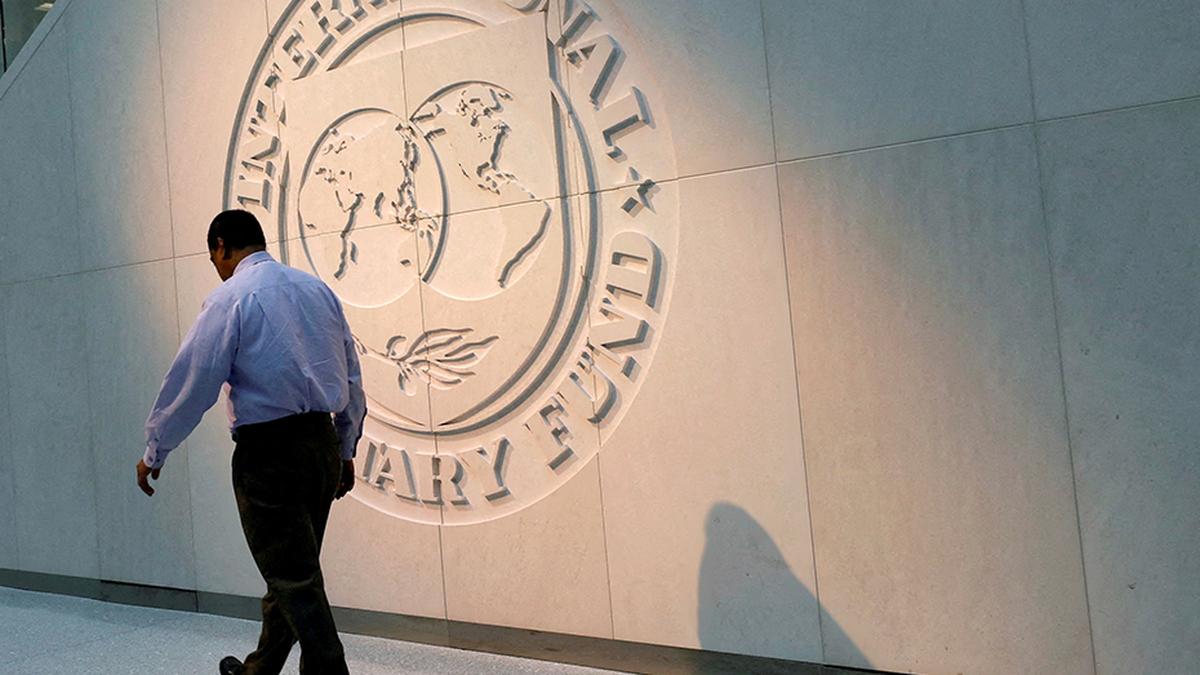
Islamabad – October 15, 2025 – Pakistan has reached a crucial staff-level agreement (SLA) with the International Monetary Fund (IMF), unlocking access to $1.2 billion in much-needed financial assistance. The agreement, announced Wednesday, follows intensive negotiations led by IMF Mission Chief Iva Petrova.
The deal comprises $1 billion under the Extended Fund Facility (EFF) and $200 million under the Resilience and Sustainability Facility (RSF), both subject to approval by the IMF Executive Board. The funds aim to bolster Pakistan’s economy amidst ongoing challenges.
According to Ms. Petrova, Pakistan’s economic program, supported by the EFF, has been instrumental in stabilizing the macroeconomic situation and restoring market confidence. She cited positive trends, including a surplus in the FY25 current account – a first in 14 years – and a strengthened fiscal primary balance.
However, the IMF acknowledged the devastating impact of recent floods, which have significantly impacted the agricultural sector and led to a downward revision of the FY26 GDP growth forecast to 3.25-3.5%.
Despite the setback, the agreement underscores Pakistan’s commitment to sound economic management. Authorities have pledged to maintain a budget primary surplus of 1.6% of GDP in FY26 through revenue mobilization and improved tax compliance. They also highlighted ongoing efforts to tackle circular debt in the power sector through tariff adjustments and a progressive tariff structure.
The agreement also emphasizes Pakistan’s commitment to building climate resilience, a critical aspect given the increasing frequency and severity of natural disasters. The IMF acknowledged the urgency of addressing climate change and supporting Pakistan’s adaptation efforts.
This agreement marks a significant step in stabilizing Pakistan’s economy and building a more sustainable future. The IMF’s support, coupled with Pakistan’s commitment to reform, could pave the way for sustained economic growth and prosperity.
 First Piper