
Tue Oct 07 13:26:42 UTC 2025: ## Chennai Science Center Unveils Accessible Underwater World for the Visually Impaired
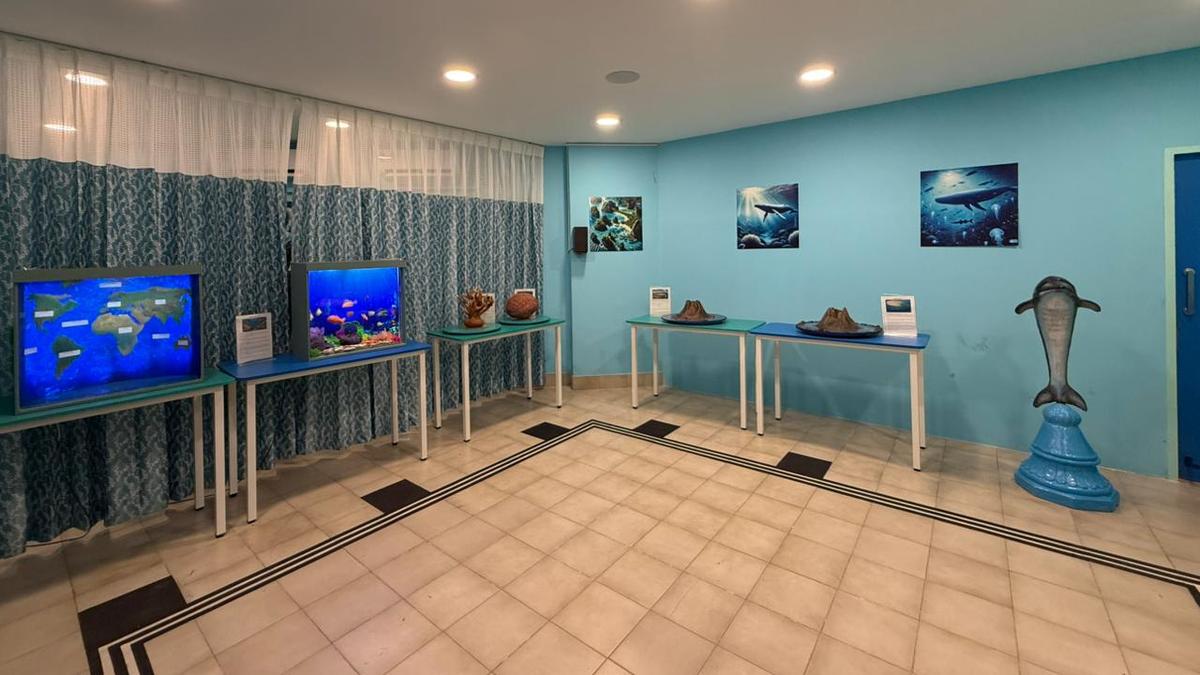
**CHENNAI, October 7, 2025** – The Periyar Science and Technology Centre in Chennai has opened a groundbreaking “Accessible Science Corner,” offering an immersive experience of the underwater world to visually-impaired individuals. Inaugurated by former Chief Justice of India D.Y. Chandrachud on Monday, the corner utilizes tactile models, braille labeling, and audio technology to bring the ocean’s wonders to life.
The project, spearheaded by the Accessibility Research Centre (ARC) at IIT Madras, aims to bridge the accessibility gap often found in museums worldwide. Subisha K.R., a research associate at ARC, explained the motivation behind the initiative: “Museums around the world are inaccessible for persons with disabilities. Underwater is one of the things that persons with disabilities might not get to experience. So we decided to showcase that.”
The Accessible Science Corner features textured continents, 3D silicone models of marine life, including starfish, sea anemones, and sea cucumbers, and explanations of various reef ecosystems in braille. A large, tactile silicone dolphin has proven to be a favorite among visitors.
Muhammad Sadiq T, another Research Associate at the ARC, highlighted the challenges in creating the exhibit: “We had planned to make the entire structures in 3D from our IIT labs…but we soon realised that the sharp edges…would cause fear in a visually-impaired person. So, we also engaged sculptors for some of the models.”
The center also incorporates tactile tiles, Dolby Atmos sound, and extended reality (ER) sets for a more personalized experience. ARC has also revamped the ramps leading to the science center, ensuring full accessibility.
Looking ahead, ARC plans to further expand the corner to accommodate individuals with other disabilities. They also envision establishing “summary corners” in museums across Tamil Nadu to provide persons with disabilities with an overview of exhibits they might not be able to fully access. This initiative marks a significant step towards making science and culture more inclusive and accessible to all.
 First Piper