
Tue Oct 07 03:00:00 UTC 2025: **Summary:**
A new study reveals a link between common oral bacteria (viridans streptococci) and heart attacks. The bacteria form hidden biofilms within artery plaques, triggering inflammation and potentially causing plaque rupture. Experts suggest improved oral hygiene and potential future biofilm-targeting therapies could significantly impact cardiovascular health, especially in India where heart disease is prevalent.
**News Article:**
**Hidden Oral Bacteria Linked to Heart Attacks in Groundbreaking Study**
**New Delhi, October 7, 2025** – A concerning new study published in the Journal of the American Heart Association has revealed a potential link between common oral bacteria and fatal heart attacks, prompting calls for increased awareness and preventative dental care, particularly in India.
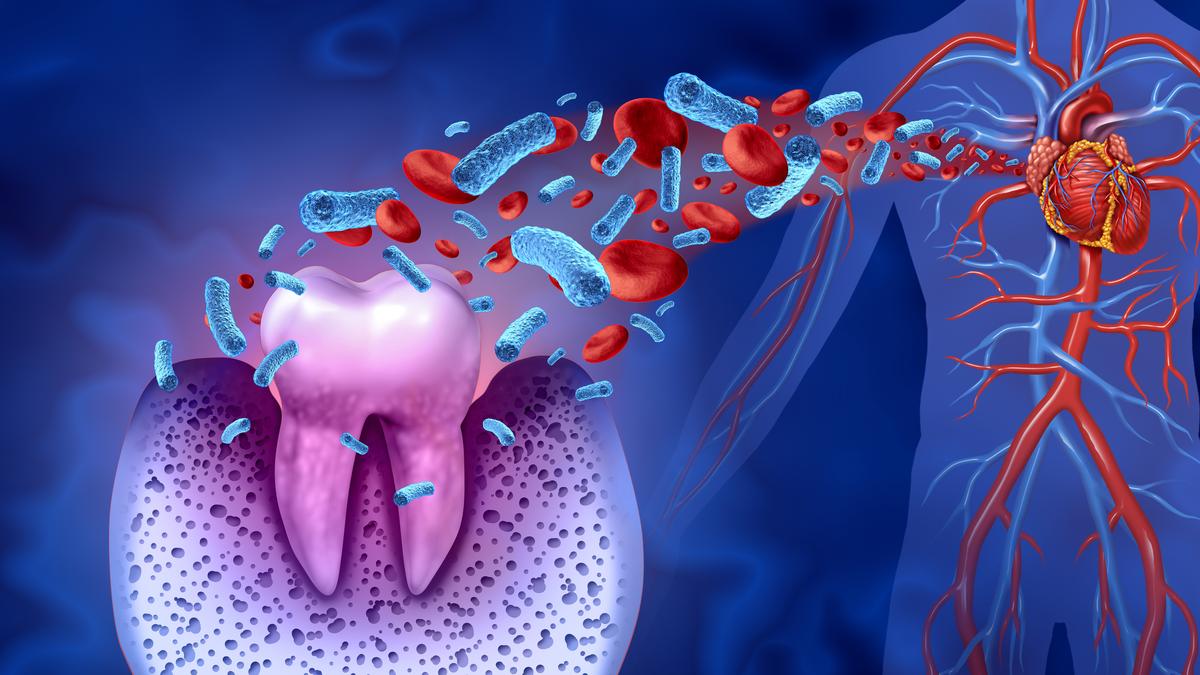
The study, conducted by researchers at Tampere University in Finland, found that viridans streptococci, a type of bacteria commonly found in the mouth, can form biofilms – sticky bacterial layers – deep within atherosclerotic plaques in coronary arteries. These biofilms remain hidden from the immune system until the plaque ruptures, potentially triggering a heart attack.
“This study is a step forward in our understanding of the reasons for increased incidence of heart attacks in individuals with gum disease and the increased prevalence of gum disease in patients with heart attacks,” commented C.C. Kartha, ex-professor at the Rajiv Gandhi Centre for Biotechnology.
Researchers examined coronary arteries from autopsies and vascular surgery patients, finding bacterial DNA in a significant portion of samples. Viridans streptococci were the most frequent species, present in approximately 42% of cases. Crucially, the bacteria were observed forming biofilms within the lipid-rich cores of plaques, often unnoticed by immune cells.
The team also demonstrated that in ruptured plaques, these bacteria had migrated to the outer layer and activated an immune sensor, suggesting a direct link between the bacterial presence and inflammation leading to rupture.
While attempts to treat coronary disease with antibiotics have previously failed, researchers believe these biofilms may be the key, as they are highly resistant to both antibiotics and immune responses.
Indian experts are urging a closer look at the oral-cardiac connection. Prof. Soma Guhathakurta of Namar Heart Hospital, Chennai, suggested that oral bioburden could potentially be measured in high-risk individuals and preventive penicillin treatment, similar to treatments for rheumatic fever, could be considered.
Dentists are also emphasizing the importance of early management of gum disease and regular dental care, especially in India, where cardiovascular disease affects people at younger ages and untreated oral disease remains widespread. Hiten and Priyanka Kaushal Kalra, Delhi-based orthodontists, highlighted the ARIC study and other research that suggest that good oral hygiene is linked to decreased cardiovascular risk.
Dr. Kartha stressed the importance of educating the public about the mouth-heart connection and the need for early detection and treatment of gum disease. Prof. Guhathakurta proposed that oral swab surveillance after the age of 40 could be a way to test the biofilm-heart link in community settings.
The Finnish research team is now planning further investigations, including genetic sequencing of the microbiome of coronary atheromas and studying the possibility of developing a vaccine against bacterial biofilm formation.
While cardiology practice remains centered on traditional risk factors like cholesterol and blood pressure, these new findings underscore the potentially underestimated role of oral health in cardiovascular well-being. The bacteria in our mouths could prove to be an overlooked player in the story of India’s most common killer, and preventative action and further research are needed to validate this possibility.
 First Piper