
Tue Oct 07 12:04:52 UTC 2025: ## Tamil Nadu Elephant Population Shows Healthy Increase, Survey Reveals
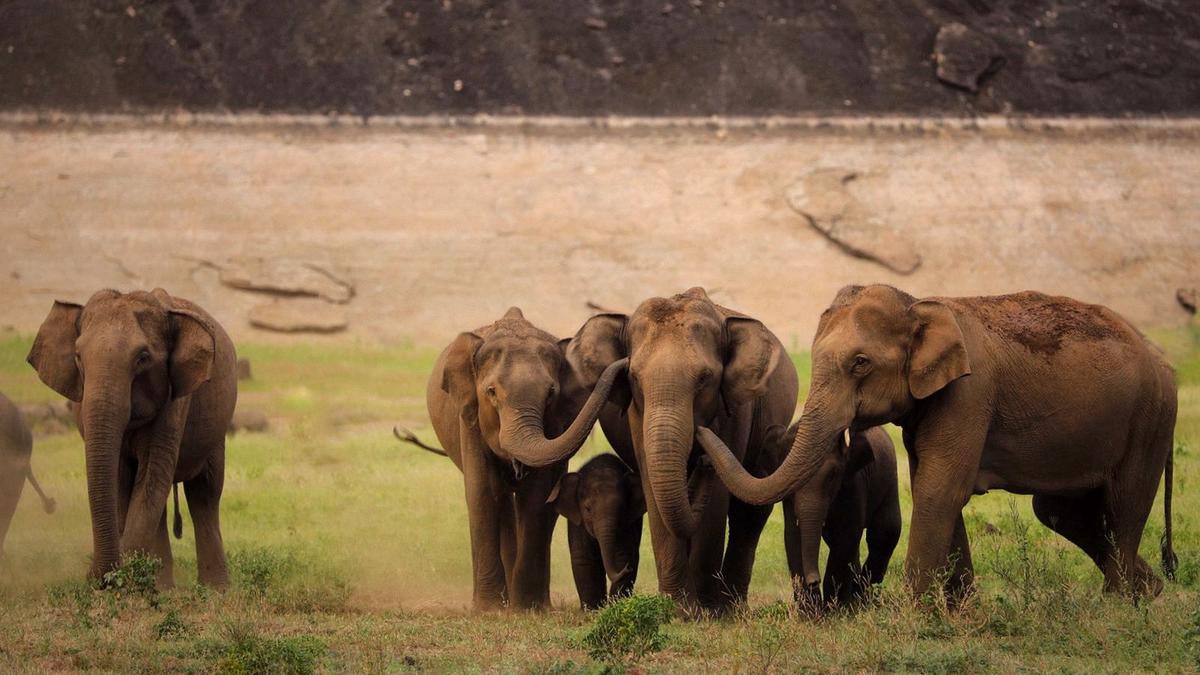
**CHENNAI – October 7, 2025** – A recent synchronized elephant population estimation exercise has revealed a positive trend for Tamil Nadu’s wild elephant population. The survey, conducted in May 2025 across the state’s five elephant reserves, estimates the current elephant population at 3,170, marking an increase of 107 individuals compared to the 2024 count of 3,063.
The comprehensive three-day survey covered 8,989.63 sq.km of effective elephant habitats across 26 forest divisions. The State Forest Department reported an overall elephant density of 0.35 elephants per sq.km using the direct Block Count method and 0.37 elephants per sq.km using the Line Transect Dung Count method.
The survey employed two primary methodologies: the Block Count method, a direct observation technique involving recording elephant sightings within designated blocks, and the Line Transect Dung Count method, an indirect technique utilizing dung pile analysis to estimate elephant density in areas where direct sightings are challenging.
The Mudumalai Tiger Reserve recorded the highest concentration of elephants, with 162 individuals sighted within 24 blocks covering 241 sq.km. Significant elephant populations were also observed in Gudalur, Sathyamangalam Tiger Reserve, Anamalai Tiger Reserve-Pollachi Division, Erode, and Coimbatore.
The Nilgiri Elephant Reserve, part of the larger Nilgiri Eastern Ghats landscape, boasts the highest overall elephant population and density, estimated at between 2,419 and 3,163 elephants, depending on the counting method used. Together, the Nilgiri and Coimbatore reserves support a substantial 70-80% of Tamil Nadu’s wild elephant population, forming a contiguous population shared with neighboring Karnataka and Kerala.
Demographic data collected during the survey indicates a stable and healthy population structure. Adults constituted 44% of the population, followed by sub-adults (31%), juveniles (11%), and calves (14%). The sex ratio was recorded at 1:1.77 (male to female), while the adult female-to-calf ratio was 1:0.50. Average herd sizes ranged from three to sixteen elephants.
While the results are encouraging, the report highlights the importance of refining future estimates by incorporating division-specific dung decay rates for increased accuracy. The report also suggests conducting future surveys earlier in the year, prior to the onset of the monsoon, to potentially yield better results. The findings reinforce data collected from previous surveys in 2002, 2010, 2017, 2023, and 2024, indicating a consistently healthy and stable elephant population in Tamil Nadu.
 First Piper