
Fri Sep 26 03:00:00 UTC 2025: **Summary:**
“The Sopranos,” created by David Chase, revolutionized television in the same way “The Godfather” and “Goodfellas” transformed film, which aired from 1999-2007. The series focuses on Tony Soprano, played by James Gandolfini, and his complicated life as a mob boss in New Jersey. Drawing inspiration from Chase’s own life and the real-life DeCavalcante crime family, “The Sopranos” explores themes of family, violence, and mental health. The show distinguishes itself by focusing on the anti-hero Tony Soprano, a brutal criminal, and the fact that viewers still find themselves sympathetic to him. The Sopranos has inspired a wave of new television series, particularly the exploration of flawed, humanized antagonists. Characters like Jax Teller (“Sons of Anarchy”), Dwight Manfredi (“Tulsa King”), Robert Prendergrast (“Task”) and Dexter Morgan (“Dexter”) all share the same characteristics of the anti-hero that Tony Soprano had, and continue to inspire fans of the series. The Sopranos success came from its captivating storylines, direction, and how characters were created and portrayed. The show introduced the concept of supporting antagonists and multi-episode story arcs, which have become popular. “The Sopranos” had a lasting impact on pop culture.
**News Article:**
**”The Sopranos”: A Masterpiece That Defined the Anti-Hero Era of Television**
New York, NY – Twenty-something years after its premiere, “The Sopranos” continues to stand out as a pinnacle of television storytelling, forever changing the landscape of crime drama and character development. Created by David Chase, the series, which aired from 1999-2007, did for television what “The Godfather” and “Goodfellas” did for film, offering a raw, unflinching look into the life of a mob boss, Tony Soprano, played by the late James Gandolfini.
“The Sopranos” follows Tony’s experiences with family, wealth, power, control, death, and complex mental health. Inspired by Chase’s upbringing in New Jersey and the real-life DeCavalcante crime family, the show delivered a level of realism and depth rarely seen on television at the time.
What set “The Sopranos” apart was its central character: Tony Soprano, a brutal mobster who still managed to earn audience empathy. Gandolfini’s portrayal captured Tony’s brutality, manipulation, but also his moments of love, sentimentality, and vulnerability. This complex characterization spawned a new wave of anti-heroes in television, including Jax Teller (“Sons of Anarchy”), Dwight Manfredi (“Tulsa King”), Robert Prendergrast (“Task”) and Dexter Morgan (“Dexter”).
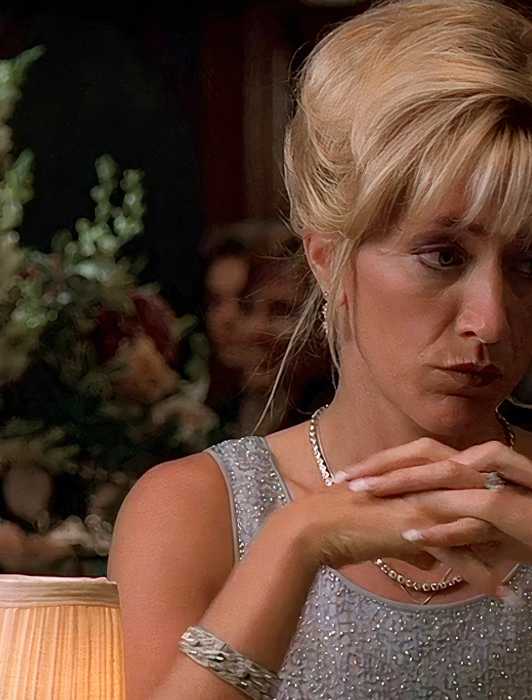
“The Sopranos” wasn’t just about Tony. Other characters, such as Tony’s wife Carmela, played by Edie Falco, also played significant roles in the series and added more weight to the crime drama, and the show’s importance of an anti-hero.
“The Sopranos” continues to inspire filmmakers and viewers alike, as it is deeply rooted in pop culture. Its impact on television is undeniable, paving the way for new types of storylines, ambiances, and characters.
 First Piper