
Mon Sep 15 09:21:25 UTC 2025: ## Summary:
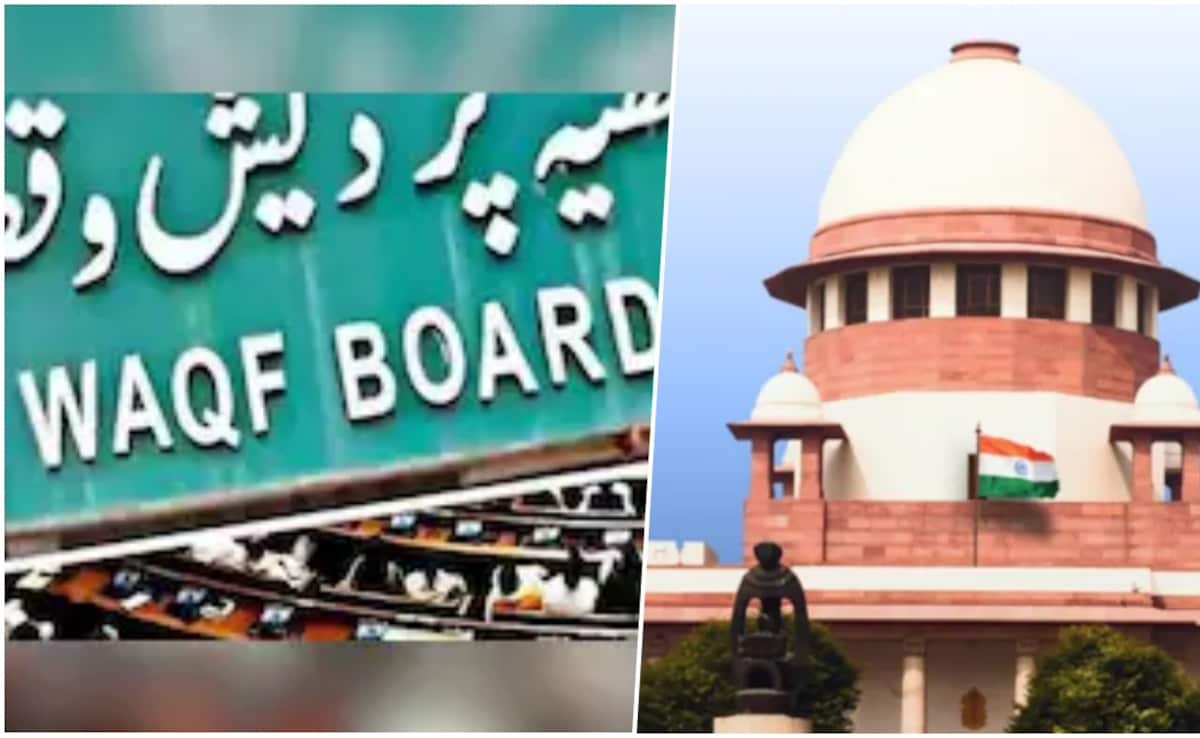
The Supreme Court has intervened to temporarily suspend certain provisions of the government’s recently enacted Waqf laws. These provisions include a requirement that potential donors to Waqf properties be “practicing Muslims” for a minimum of five years, and a clause allowing for the nomination of non-Muslim individuals to federal and state Waqf boards. The court’s action indicates concerns about the constitutionality and potential discriminatory impact of these specific aspects of the new legislation.
## News Article:
**Supreme Court Suspends Controversial Waqf Law Provisions**
NEW DELHI – The Supreme Court has put a temporary hold on key sections of the government’s new Waqf laws, raising questions about their constitutionality and potential for discrimination. The court’s intervention specifically targets provisions related to donor eligibility and board composition.
At the heart of the controversy is a requirement that individuals donating to Waqf properties must be “practicing Muslims” for at least five years prior to their contribution. Critics argue this clause introduces an unnecessary and potentially exclusionary religious test for charitable giving.
Furthermore, the Supreme Court has also suspended a provision allowing for the nomination of non-Muslim individuals to federal and state Waqf boards. While proponents argued this would promote inclusivity and transparency, concerns have been raised about the potential for conflicts of interest and the appropriateness of non-Muslims overseeing the administration of Islamic religious endowments.
The order from the apex court temporarily halts the implementation of these specific provisions, pending further review. This decision signals the court’s concerns about the potential impact and legality of these aspects of the new legislation and sets the stage for a potentially lengthy legal battle. Legal experts suggest the court will likely examine the provisions’ compatibility with the principles of secularism and equality enshrined in the Indian Constitution. The government is expected to respond to the court’s concerns and defend the rationale behind the contested provisions.
 First Piper