
Tue Sep 09 03:00:00 UTC 2025: **Summary:**
This article examines the decades-long process of India-China border negotiations, highlighting key milestones, agreements, and sticking points. It traces the efforts from Atal Bihari Vajpayee’s initial engagement with China to the ongoing Special Representatives (SR) dialogue. A significant breakthrough was the 2005 Political Parameters agreement, which suggested a potential swap of claims involving Aksai Chin and Arunachal Pradesh. However, disagreements arose, particularly regarding China’s claim on Tawang. Despite continued SR talks and a consensus on many points, a final political agreement remains elusive. Recent talks in August 2025 have reiterated the commitment to finding a mutually acceptable framework and setting up expert groups to address specific issues. The article concludes that a resolution requires political will from both sides to acknowledge the potential losses of maintaining the unsettled border.
**News Article:**
**India and China Revive Border Talks, But Political Will Remains Key**
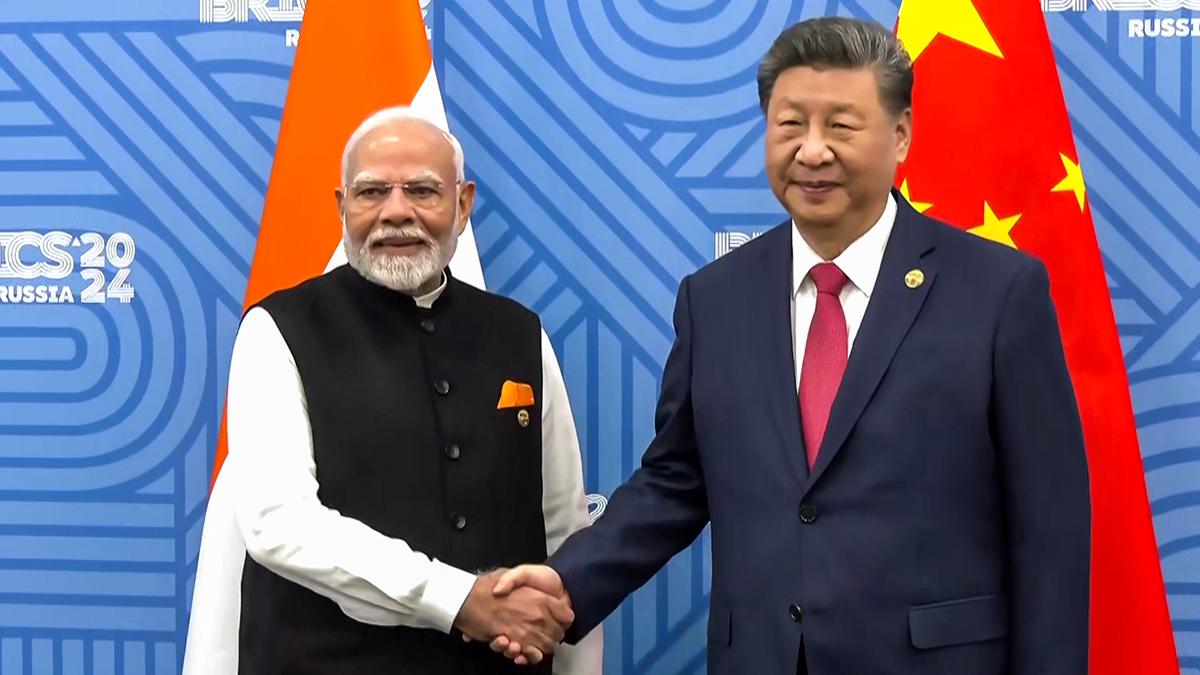
**Kazan, September 9, 2025** – After decades of negotiations and recent high-level talks between Prime Minister Narendra Modi and President Xi Jinping, India and China are attempting to revive efforts to resolve their long-standing border dispute. The 24th round of Special Representatives (SR) talks, held in August, reiterated the commitment to finding a “reasonable and mutually acceptable framework” based on the 2005 Political Parameters agreement.
The 2005 agreement proposed a potential exchange of claims, with India ceding Aksai Chin and China relinquishing its claim on Arunachal Pradesh. However, progress has been hampered by disagreements, including China’s assertion of claims over Tawang.
Despite these challenges, the SRs have established a special expert group to focus on an “early harvest” agreement, specifically addressing the Sikkim-Tibet boundary. They are also working on improved border management methods.
“China and India have the basics of an agreement,” writes a Distinguished Fellow at the Observer Research Foundation, “Yet, that final push for settlement has not come and it will only come when the political leaderships of the two countries jointly accept that there is nothing to be gained, and possibly a lot to be lost by allowing the border to remain unsettled.”
The article highlights the ongoing military buildup on both sides of the Line of Actual Control (LAC), underscoring the high costs of maintaining the current situation. While technical agreements have been forged, a final political commitment from both nations is seen as crucial to resolving the border dispute and fostering lasting stability in the region.
 First Piper