
Mon Sep 08 08:43:07 UTC 2025: **News Article Summary:**
The Kerala Pradesh Congress Committee (KPCC) is defending its digital media cell head, V.T. Balaram, after criticism from a CPI(M) leader. Balaram’s social media post allegedly drew a controversial equivalence between “Beedis and Biharis,” leading to accusations of boosting the BJP’s image ahead of the Bihar Assembly elections. The CPI(M) also accused the KPCC’s social media handle of right-wing leanings and disparaging remarks against various figures. The KPCC president denied Balaram’s resignation, accusing the CPI(M) of echoing BJP propaganda. The KPCC claimed their post was misinterpreted by the BJP to distract from the government’s voter disenfranchisement efforts in Bihar. The Leader of the Opposition expressed unfamiliarity with a KPCC-controlled digital media cell, suggesting possible proxy accounts.
**News Article:**
**Kerala Congress Defends Digital Media Head Amidst Social Media Controversy**
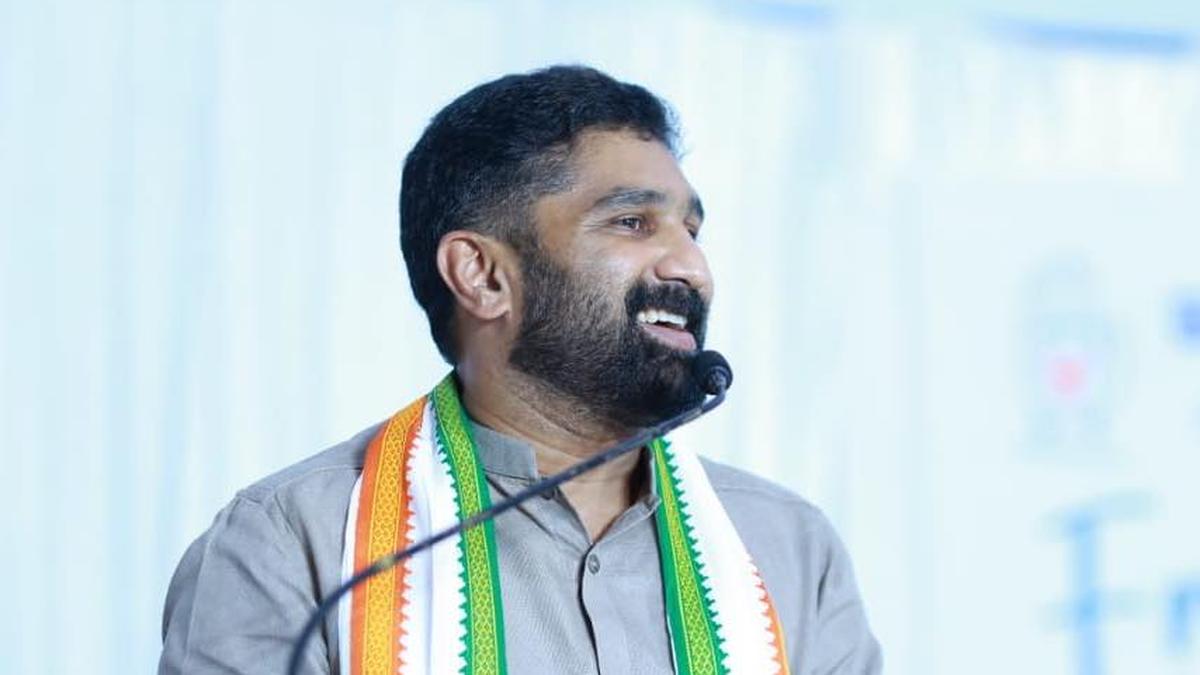
**Thiruvananthapuram, September 8, 2025** – The Kerala Pradesh Congress Committee (KPCC) is rallying in defense of its digital media cell head and State vice-president, V.T. Balaram, following a social media controversy that has ignited a political firestorm between the Congress, the Communist Party of India (Marxist) [CPI(M)], and the Bharatiya Janata Party (BJP).
The controversy stems from a post on the KPCC’s X (formerly Twitter) handle, INC@Kerala, which allegedly drew a perceived equivalence between “Beedis and Biharis.” This post was swiftly criticized by CPI(M) State committee member and Excise Minister M.B. Rajesh, who argued it inadvertently boosted the BJP’s prospects ahead of the crucial Assembly elections in Bihar. Rajesh accused INC@Kerala of offering a propaganda victory to the BJP by drawing criticism from RJD leader Tejashwi Yadav who recently led the INDIA bloc’s anti-voters’ list fraud campaign alongside Congress leader Rahul Gandhi.
Rajesh further alleged a broader right-wing bias in the KPCC’s digital media content, citing instances of praising demonetisation and criticising iconic communist leaders. He also pointed to disparaging remarks aimed at women writers like K.R. Meera and leaders of social organizations, including Nair Service Society (NSS) general secretary G. Sukumaran Nair, and former KPCC presidents Mullapally Ramachandran and V.M. Sudheeran.
In response, KPCC president Sunny Joseph, MLA, vehemently denied reports of Balaram’s resignation, accusing the CPI(M) of “parroting the BJP’s anti-Congress propaganda” to undermine the momentum gained by Rahul Gandhi’s recent campaign in Bihar. Joseph claimed the BJP deliberately distorted INC@Kerala’s original intent, which was to critique the Centre’s move to reduce taxes on beedis as a ploy to court rural voters despite its harmful health effects. He asserted the post was removed, and a qualified apology issued, to thwart the BJP’s attempt to divert attention from alleged voter disenfranchisement efforts in Bihar, using the Election Commission of India’s (ECI) Special Intensive Revision of voters’ lists as a pretext.
Adding another layer of complexity, Kerala’s Leader of the Opposition V.D. Satheesan claimed to be unaware of a KPCC-controlled digital media cell, suggesting the existence of proxy accounts potentially operated by political rivals. This internal dispute adds fuel to the ongoing political tensions between the Congress, CPI(M) and BJP, especially as the elections approach. The incident raises questions about the responsibility and control of social media activities within political parties and the potential for misinterpretation and manipulation in the current digital landscape.
 First Piper