
Thu Sep 04 06:32:42 UTC 2025: **Summary:**
Jamaica’s Prime Minister Andrew Holness has secured a third term after a closely contested general election. His Jamaica Labour Party (JLP) won a majority of seats, while the opposition People’s National Party (PNP) conceded. Voter turnout was low at 38.8%. Holness’s campaign emphasized a reduction in crime and fiscal responsibility, promising to double the minimum wage. The PNP focused on socio-economic challenges and proposed reforms, including raising the income tax threshold. While Holness’s administration has been praised for reducing crime through increased security measures, concerns remain regarding civil liberties and the impact of wage policies on the tourism sector.
**News Article:**
**Holness Secures Third Term in Tight Jamaican Election**
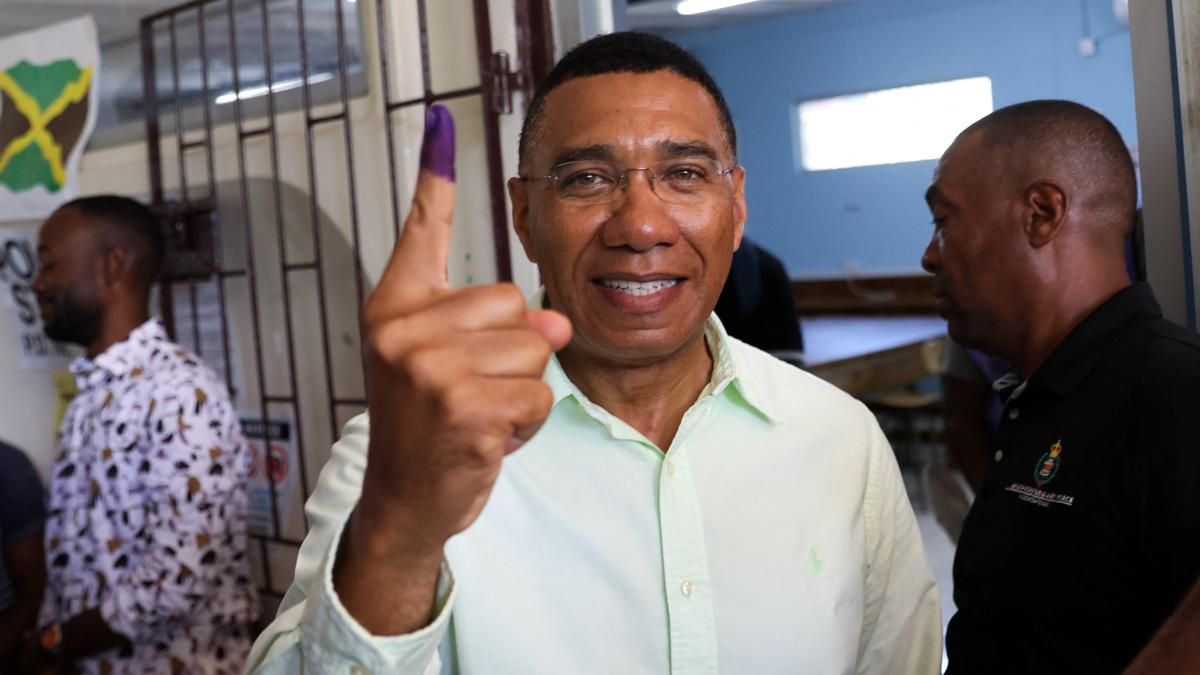
**Kingston, Jamaica – September 4, 2025** – Prime Minister Andrew Holness has claimed victory in Jamaica’s general election, securing a third term for the Jamaica Labour Party (JLP). Preliminary results show the JLP winning at least 34 of the 63 seats in the House of Representatives, enough to secure a majority. Mark Golding, leader of the opposition People’s National Party (PNP), conceded the election, expressing disappointment but acknowledging Holness’s success.
The election was held against a backdrop of concerns regarding corruption, inequity, and economic challenges on the island. Voter turnout remained low, with only 38.8% of registered voters casting ballots.
Holness’s campaign focused on the JLP’s record of reducing crime, highlighting a 43% drop in killings attributed to increased firearm seizures and a strengthened security presence. The JLP also emphasized fiscal responsibility and promised to double the minimum wage. However, this promise drew criticism from the tourism sector, a major contributor to Jamaica’s GDP, which expressed concerns about the potential impact on employment and competitiveness.
The PNP, while acknowledging progress, argued that many Jamaicans continue to struggle with socio-economic challenges. Their campaign focused on reforms, including a significant increase in the income tax threshold to provide relief for working-class Jamaicans.
While Holness’s administration has been lauded for reducing crime, the use of states of emergency has sparked debate, with human rights organizations raising concerns about potential abuses.
The new government will face the challenge of addressing ongoing economic concerns, balancing security measures with civil liberties, and navigating the potential impact of wage policies on key sectors like tourism. The election outcome signals a continuation of the JLP’s policies, but with a mandate that acknowledges the need to address the socio-economic needs of a significant portion of the Jamaican population.
 First Piper