
Wed Jul 02 00:30:00 UTC 2025: **Summary:**
This article, originally published in The Hindu and dated July 2, 2025, reviews Tamil Nadu’s family planning initiatives during the 1975-77 Emergency period in India. While Tamil Nadu avoided forced sterilization, it aggressively pursued sterilization targets set by the central government, utilizing incentives and disincentives for government employees and teachers. The Shah Commission of Inquiry investigated these practices and noted the pressure placed on individuals to meet targets, including the threat of disciplinary action against teachers. Although the Tamil Nadu government claimed no resistance and no detentions related to family planning opposition, it didn’t provide data on sterilizations performed on vulnerable groups, and reported 90 deaths following the procedure.
**News Article:**
**Tamil Nadu’s Sterilization Drive During the Emergency: A Look Back**
**CHENNAI, July 2, 2025** – A retrospective examination of Tamil Nadu’s approach to family planning during the Indian Emergency of 1975-77 reveals a complex picture of target-driven policies, incentives, and disincentives. While the state avoided the forced sterilization practices seen elsewhere in the country, it aggressively pursued population control measures mandated by the central government.
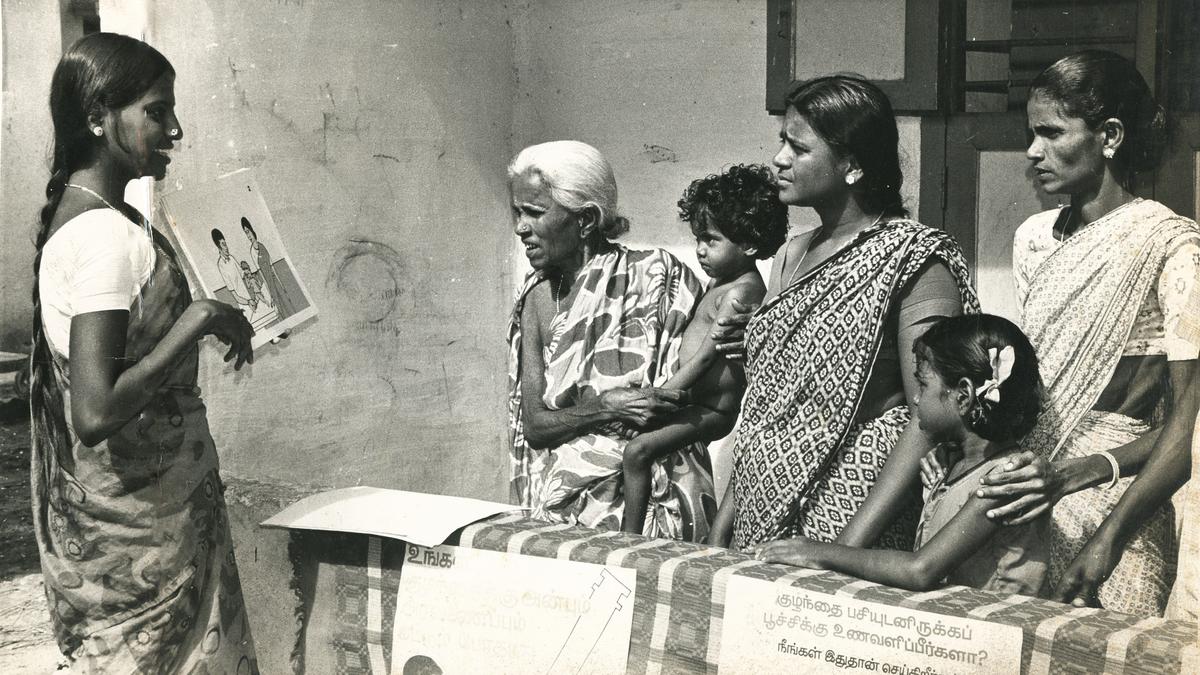
The Hindu Archives shed light on this period, revealing that Tamil Nadu exceeded sterilization targets, performing hundreds of thousands of vasectomies. The state government incentivized participation through preferential treatment for government employees who underwent sterilization or limited their family size, while also implementing disincentives like restrictions on medical benefits for larger families.
The Shah Commission of Inquiry, tasked with investigating Emergency excesses, documented the pressure placed on individuals, particularly teachers, to meet sterilization targets. Reports surfaced of threats of disciplinary action against educators who failed to achieve the required numbers.
While the state government claimed no organized resistance to the program and no detentions related to family planning opposition, concerns remain. The government did not provide data on sterilizations of unmarried individuals, those with fewer than two children, or those over 55. Furthermore, 90 deaths following sterilization were reported during this period. This historical account raises questions about the ethical implications of target-driven population control policies and the impact on individual liberties during a turbulent time in Indian history.
 First Piper