
Sat Jun 28 01:33:44 UTC 2025: **Summary:**
A new community engagement toolkit has been developed to improve early detection and family support for children with neurodevelopmental disabilities (NDDs) in South Asia. Developed by researchers in India, Nepal, and Sri Lanka, the toolkit addresses the high prevalence of NDDs in the region, coupled with low early detection rates due to stigma, lack of awareness, and gaps in public health messaging. The toolkit offers multilingual resources, including posters, calendars, leaflets, and videos, designed with feedback from caregivers, health workers, and autistic adults. It is being piloted in select regions and aims to integrate with existing healthcare systems to provide clear, accessible information and support for families navigating NDD diagnosis and care. The creators hope the toolkit will lead to earlier diagnoses and improved outcomes for children with NDDs.
**News Article:**
**New Initiative Aims to Tackle Childhood Neurodevelopmental Disabilities in South Asia**
**MUMBAI, June 28, 2025** – With South Asia facing the highest global prevalence of childhood neurodevelopmental disabilities (NDDs), a groundbreaking regional initiative is underway to improve early detection and family support for affected children. A team of 13 researchers has developed a “Community Engagement Toolkit” designed to address the pressing issue of delayed diagnosis and care across India, Nepal, and Sri Lanka.
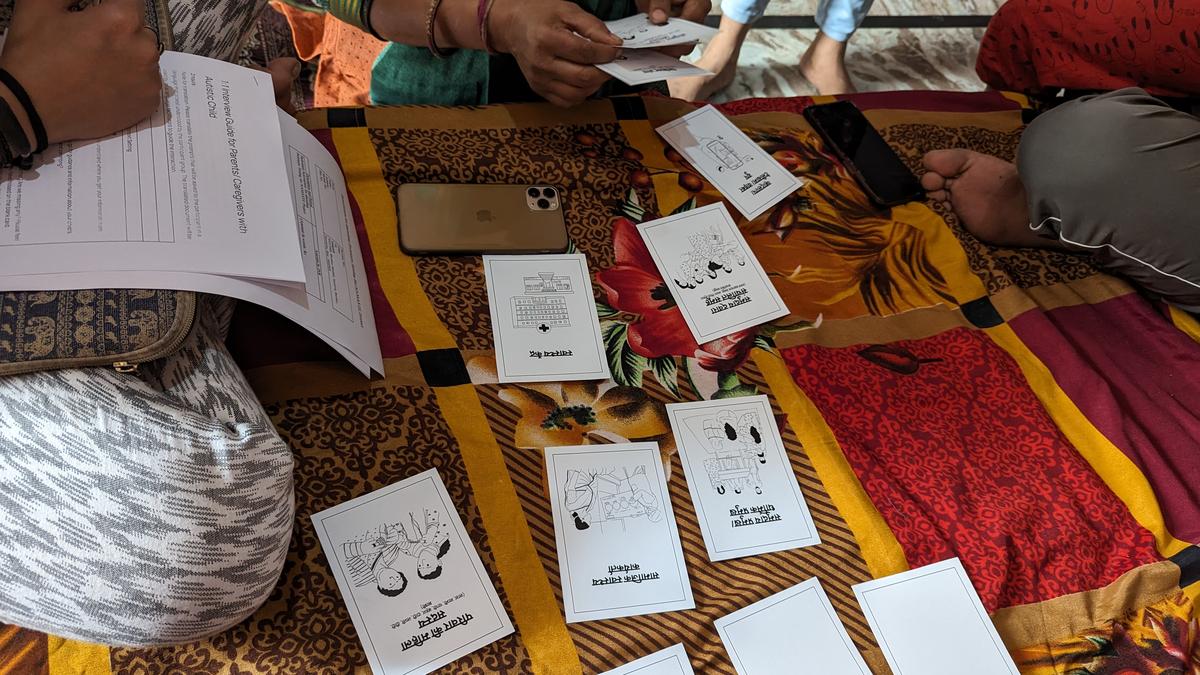
The toolkit, a key component of the NAMASTE programme, was co-designed with the input of caregivers, health workers, and autistic adults. It includes multilingual resources such as awareness posters, a Child Development Milestone (CDM) calendar, leaflets, and videos offering caregiver stories, self-care guidance, and evidence-based support.
“Too often, caregivers are left confused and unsupported,” said Sweta Pal of Sangath, India, the lead author of the study. “This toolkit aims to bridge these critical gaps by offering clear, simple, actionable information.”
South Asia is estimated to have a staggering 1.2 million children under five living with autism and another 3.9 million with intellectual disability. However, early detection rates remain low due to stigma and limited awareness.
The toolkit is currently being piloted in select districts in India, Nepal, and Sri Lanka, with plans to integrate it into existing healthcare systems. Researchers hope that the initiative will lead to earlier diagnoses, improved engagement with healthcare services, and ultimately, better developmental outcomes for children with NDDs.
“This is more than just a set of posters and videos,” explained Dr. Gauri Divan from Sangath, “It is a reflection of what families told us they needed.” The toolkit’s creators are urging local governments to leverage these resources to ensure their availability for families in need.
 First Piper