
Mon Jun 23 19:41:49 UTC 2025: **Summary:**
A report from The Hindu, dated June 24, 2025, reveals alarming levels of faecal contamination in the Periyar and Chitrapuzha rivers in Ernakulam, Kerala. Water samples taken in March 2025 from the Kalamassery stretch of the Periyar and the Irumpanam stretch of the Chitrapuzha exceeded the permissible limits for total coliform and faecal coliform as set by the Central Pollution Control Board (CPCB). Analysis of 13 monitoring stations along the Periyar between January and December 2024 showed that they failed to meet the CPCB’s standards for outdoor bathing, with violations in Dissolved Oxygen (DO), pH, Biochemical Oxygen Demand (BOD), Faecal Coliform, and Faecal Streptococci levels.
**News Article:**
**Kerala Rivers Riddled with Faecal Contamination, Posing Health Risks**
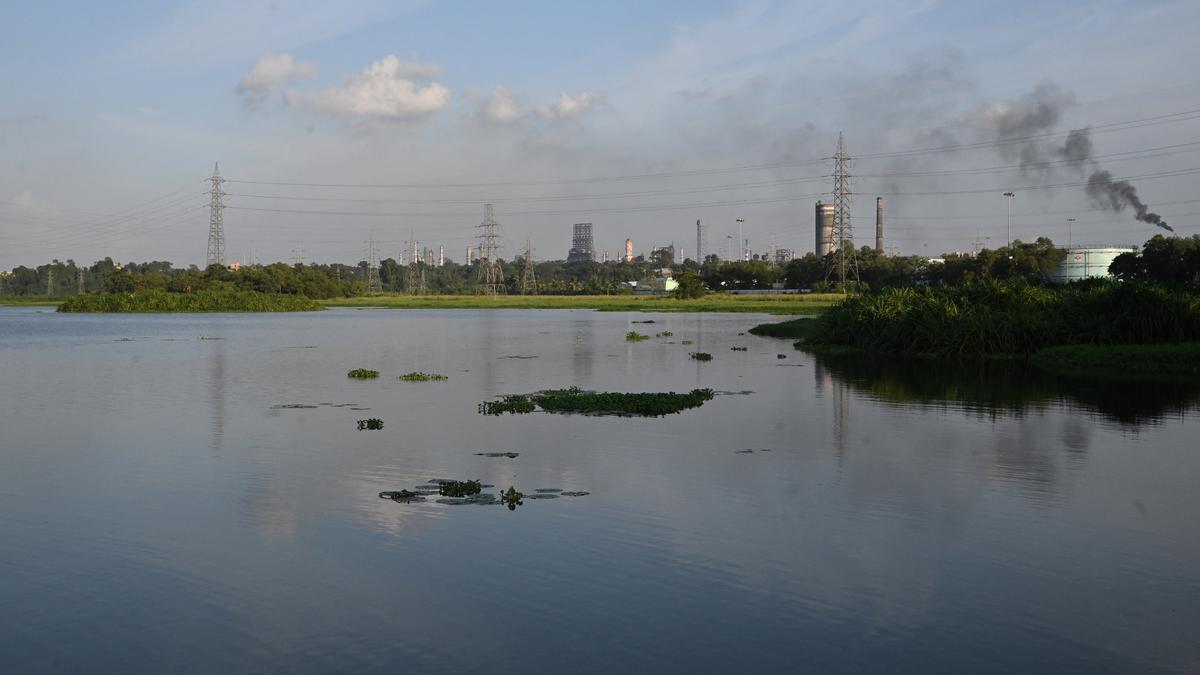
**Kochi, June 24, 2025:** The Periyar and Chitrapuzha rivers in Ernakulam, Kerala are facing a severe water quality crisis, with dangerously high levels of faecal contamination, according to a report by The Hindu. A recent analysis by the Kerala State Pollution Control Board (KSPCB) reveals that the Kalamassery stretch of the Periyar and the Irumpanam stretch of the Chitrapuzha far exceed permissible limits for total coliform, an indicator of faecal contamination.
In March 2025, the Irumpanam stretch of Chitrapuzha registered a total coliform count of 7,900 MPN (most probable number) per 100 ml, while the Kalamassery stretch recorded 3,900 MPN/100 ml. The Central Pollution Control Board (CPCB) sets the maximum permissible limit for total coliform in bathing water at less than 2,500 MPN per 100 ml. Further tests revealed alarming levels of faecal coliform and faecal streptococci on both rivers.
A broader analysis of 13 monitoring stations along the Periyar in Idukki, Thrissur, and Ernakulam districts between January and December 2024 showed consistent failure to meet CPCB’s Primary Water Quality Criteria for Outdoor Bathing. Key parameters like Dissolved Oxygen (DO), pH, Biochemical Oxygen Demand (BOD), Faecal Coliform, and Faecal Streptococci were all found to be in violation.
The consistently high levels of contamination raise serious concerns about public health risks, particularly for those who rely on the rivers for bathing and other domestic purposes. Authorities are urged to take immediate action to address the sources of pollution and implement effective measures to restore the water quality of these vital waterways.
 First Piper