
Sun Jun 22 06:38:43 UTC 2025: **Summary:**
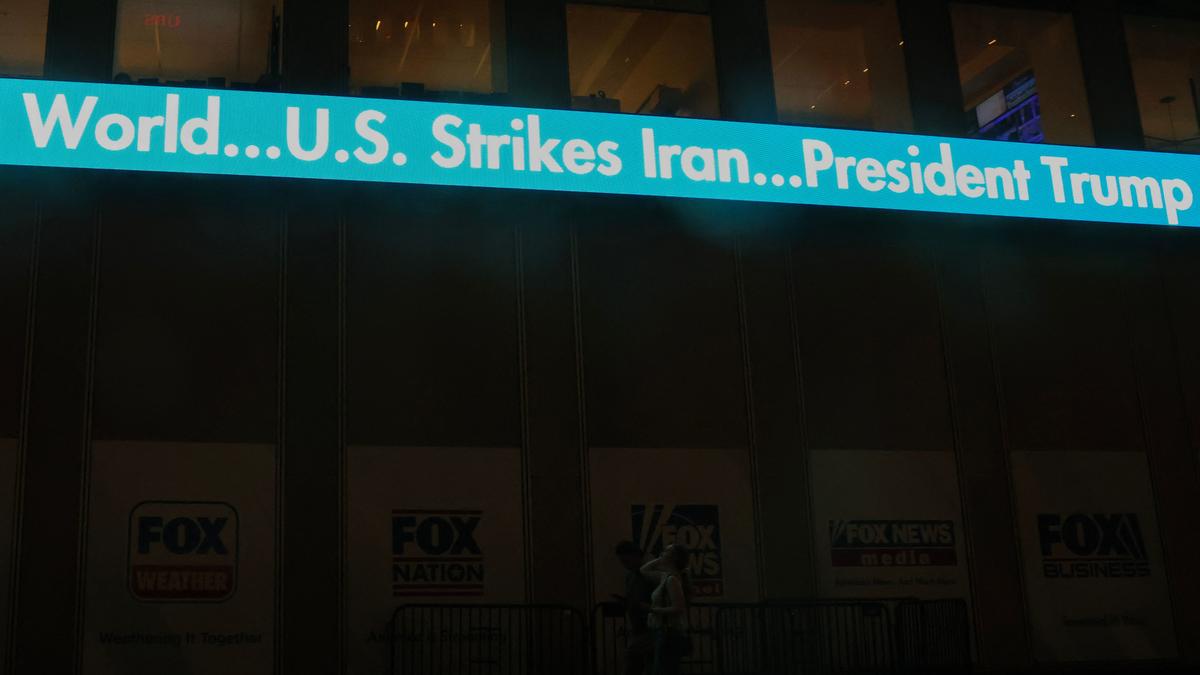
Following a surprise bombardment of Iranian military and nuclear sites by Israel on June 13, 2025, and repeated warnings from Iranian officials against U.S. intervention, President Trump authorized U.S. strikes on three Iranian nuclear facilities on June 21, 2025. This action has escalated tensions significantly, raising concerns about a wider conflict in the Middle East and potential disruptions to global oil supplies through the Strait of Hormuz. Iran’s response could include attacks on U.S. forces and regional allies, utilizing its network of militant groups and missile capabilities. While the U.S. and Israel possess superior military technology, the effectiveness of these capabilities in deterring Iranian retaliation remains uncertain. The strikes also reignite debate on Iran’s nuclear program and the potential for it to withdraw from the Nuclear Nonproliferation Treaty.
**News Article:**
**U.S. Strikes Iran, Raising Fears of Regional War and Global Oil Crisis**
**Dubai – June 22, 2025** – In a move that has sent shockwaves across the globe, the United States launched airstrikes on three key Iranian nuclear facilities on June 21, 2025, authorized by President Trump. The action follows weeks of escalating tensions after Israel initiated a surprise bombardment of Iranian military and nuclear sites on June 13, 2025. Iranian officials had warned the U.S. to stay out, threatening dire consequences for the region.
The strikes immediately triggered concerns about a broader conflict in the Middle East. Experts warn that Iran may retaliate against U.S. forces and regional allies, potentially utilizing its network of militant groups, including the Houthis in Yemen and allied militias in Iraq, and its arsenal of missiles and drones.
One of the most immediate threats is a potential disruption to global oil supplies. The Strait of Hormuz, a crucial chokepoint through which 20% of the world’s oil passes, could be targeted by Iran. Such action could send oil prices soaring.
While the U.S., with its 5th Fleet stationed in Bahrain, has pledged to maintain freedom of navigation in the strait, even a brief disruption could paralyze shipping and trigger international pressure for a ceasefire.
The U.S. strikes also reignite the debate about Iran’s nuclear program. Experts warn that while the strikes may delay Iran’s nuclear ambitions, they will not eliminate them. The possibility of Iran withdrawing from the Nuclear Nonproliferation Treaty has also been raised, raising fears of accelerated weapons development.
The international community is calling for de-escalation and a return to diplomacy, but the situation remains volatile, and the full impact of the U.S. strikes remains to be seen.
 First Piper