
Thu Jun 19 09:09:32 UTC 2025: **News Article:**
**Supreme Court Condemns “Hurt Sentiment” Mob Violence, Protects Kamal Haasan Film Release**
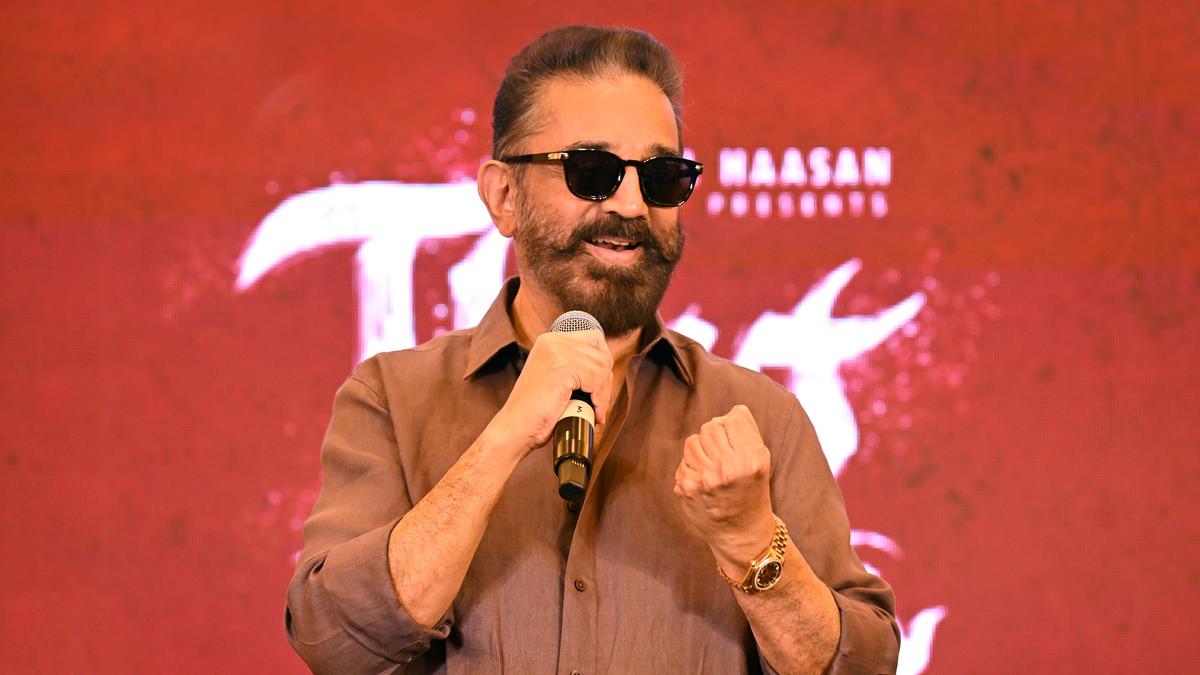
**New Delhi, June 19, 2025** – The Supreme Court today strongly criticized the rising trend of mob violence and threats used to suppress free speech and artistic expression, particularly in films, literature, and theatre. The court’s comments came during a hearing regarding the controversy surrounding actor Kamal Haasan’s Tamil film, “Thug Life,” which faced an “unofficial ban” in Karnataka following remarks made by Haasan about the Kannada language during the film’s promotion.
A Vacation Bench of Justices Ujjal Bhuyan and Manmohan expressed exasperation at the “litany of hurt sentiments” being used to justify censorship and violence. “This litany of hurt sentiments… there is no end to it,” Justice Bhuyan stated, questioning where the trend was heading. “Today it is a movie. Tomorrow somebody says a drama cannot be performed… Where are we heading?”
Justice Manmohan echoed the sentiment, asking, “Should everything be stopped… movies, theatre, nobody can recite a poem?”
The court ultimately closed petitions against the film’s ban after the Karnataka government assured that it would not restrict the film’s release and would provide protection to theaters screening “Thug Life.” The state counsel affirmed, “We are bound to protect the theatres.”
Senior advocate Sathish Parasaran, representing the film’s producers, expressed satisfaction with the state’s commitment and withdrew the case. The producers had previously stalled the film’s release due to threats of mob violence and a standoff with the Karnataka Film Chamber of Commerce.
While an intervenor argued that Haasan’s remarks were a “publicity gimmick” that hurt sentiments, the court dismissed the argument and advised them to pursue legal proceedings rather than resorting to unlawful actions.
Another petitioner sought guidelines against unofficial restrictions on film releases due to threats of violence. The court acknowledged the danger posed by such threats to free speech and expression.
The Supreme Court’s ruling sends a strong message against the use of violence and intimidation to stifle artistic expression and underscores the State’s duty to protect free speech and ensure the safety of artists and audiences.
 First Piper