
Sat May 24 20:21:00 UTC 2025: **Summary:**
A recent lion census in Gujarat, India, reveals a significant increase in the Asiatic lion population (32% since 2020, totaling 891 lions) and their distribution area (16.67% since 2020, totaling 35,000 sq. km). The growth is attributed to conservation efforts and the tolerance of local communities. While the core lion population remains in Gir, satellite populations are expanding into new areas. The increased lion presence in human-populated regions raises concerns about human-animal conflict. To mitigate these concerns, a new government conservation program, “Project Lion,” has been approved, with plans to develop new wildlife sanctuaries, involve local communities in tourism, and enhance conservation incentives.
**News Article:**
**Gujarat Lion Population Roars to a Record High, But Challenges Loom**
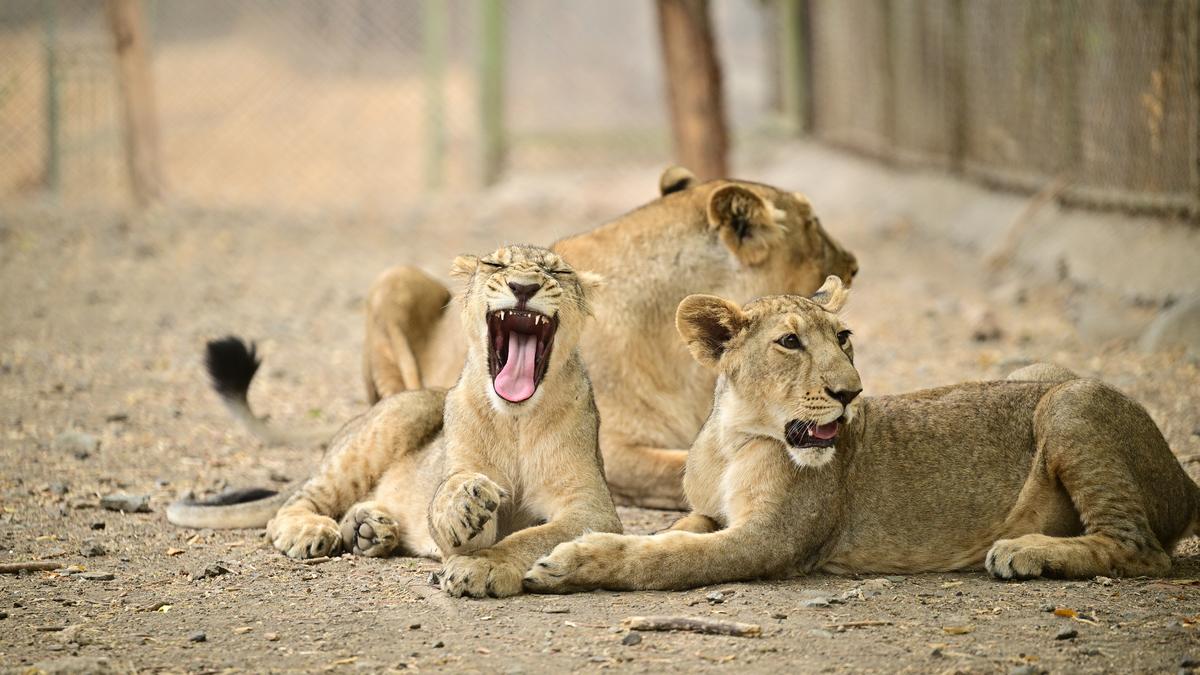
**Ahmedabad, May 25, 2025** – The Asiatic lion population in Gujarat has experienced a remarkable surge, according to the latest census released by the Gujarat Forest Department. The survey, conducted from May 10-13, revealed a 32% increase in the lion population since 2020, reaching a total of 891 individuals. The area of distribution has also expanded, growing by 16.67% to encompass 35,000 square kilometers.
The lion population’s growth is credited to sustained conservation initiatives and the remarkable tolerance demonstrated by local communities, particularly the pastoral Maldhari people, who have coexisted with the animals for generations.
While the core lion population remains concentrated in the Gir forest region, the census indicates a significant expansion of satellite populations into new areas, including the Barda Wildlife Sanctuary, Jetpur, and Babra-Jasdan. This expansion, however, brings potential challenges, including increased human-animal conflict as lions venture into areas with human settlements.
“The rise in lion presence outside the core zone is a worry,” said a forestry official at the press conference, requesting not to be named, “This means lions are present in places with human settlements, which may lead to more animal-human conflicts causing economic losses for those living in close proximity to the lions.”
To address these challenges, the government has launched “Project Lion,” a ₹2,927 crore conservation program, led by Prime Minister Narendra Modi. The project includes plans to develop the Barda Wildlife Sanctuary, encourage community involvement in tourism, and provide greater incentives for conservation.
“We are committed to ensuring the continued growth of the lion population while minimizing conflict and promoting harmonious coexistence,” stated a government representative. “Project Lion will play a crucial role in achieving these goals.”
The increase in the Asiatic lion population in Gujarat is a testament to the success of conservation efforts in India. However, the growing presence of lions in human-populated regions requires careful management and proactive measures to prevent human-animal conflicts and ensure the long-term sustainability of this iconic species.
 First Piper