
Mon May 19 09:25:35 UTC 2025: **Summary:**
Union Minister for Agriculture and Farmers’ Welfare Shivraj Singh Chouhan has rejected a request to include water hyacinth removal in the Mahatma Gandhi National Rural Employment Guarantee Scheme (MGNREGS). MP Kodikunnil Suresh sought the inclusion to address the severe ecological and livelihood problems caused by the weed in the Kuttanad region of Kerala. Chouhan cited legal constraints, stating that the activity falls under non-permissible works as defined by the MGNREGA Act, being non-tangible, non-measurable, and repetitive. Suresh expressed disappointment, arguing the decision is a grave injustice to rural communities and urging the Centre to reconsider a region-specific approach.
**News Article:**
**Water Hyacinth Removal Denied Under MGNREGS, Kuttanad Farmers Disappointed**
**Alappuzha, May 19, 2025:** The Union Ministry of Agriculture and Farmers’ Welfare has declined to include water hyacinth removal in the Mahatma Gandhi National Rural Employment Guarantee Scheme (MGNREGS), citing legal constraints.
The decision follows a request from MP Kodikunnil Suresh, who highlighted the devastating impact of the invasive weed on the Kuttanad region of Kerala. Water hyacinth chokes waterways, disrupting agriculture, fishing, and inland navigation, posing significant threats to both livelihoods and public health.
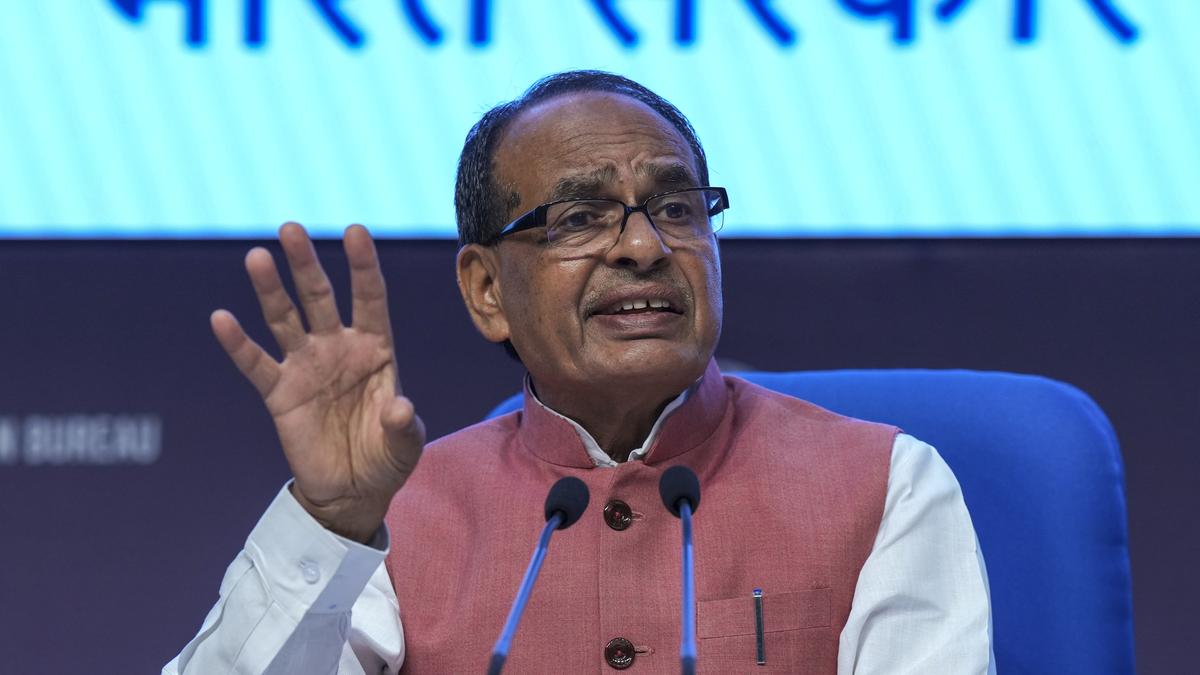
Minister Shivraj Singh Chouhan explained that under the MGNREGA Act, works that are non-tangible, non-measurable, and repetitive, such as removing grass and agricultural operations, are not permissible. He stated that water hyacinth removal falls under this category.
“I have got the matter examined by the Ministry. As per Schedule 1, Para 4(3) of the MGNREGA Act, 2005, works which are non-tangible, not measurable and repetitive, such as removing grass, pebbles, and agricultural operations, shall not be taken up. As the removal of water hyacinth from waterbodies is similar in nature to the types of work outlined in Schedule 1 Para 4(3), it cannot be included in the permissible work list under MGNREGS,” Chouhan said.
MP Suresh expressed his disappointment with the decision, calling it a “grave injustice” to the rural communities of Kuttanad. He argued that water hyacinth removal would provide sustainable employment and help protect the fragile ecosystem.
“Water hyacinth has become a serious ecological and livelihood challenge in Kuttanad. It affects farmers and fishermen and severely disrupts inland water navigation. It poses a major threat to agriculture and public health. Denying employment opportunities for removing this menace under MGNREGA is a grave injustice to rural communities,” Suresh said.
He urged the Centre to reconsider its stance and adopt a region-specific approach, allowing ecosystem restoration activities like water hyacinth removal to be included under MGNREGS. He emphasized the potential for manual removal to create employment and safeguard the environment. The decision is expected to fuel further debate on the flexibility and scope of MGNREGS in addressing regional ecological challenges.
 First Piper