
Sun May 11 00:30:00 UTC 2025: **News Article:**
**Yeast Study Offers Hope for Understanding, Treating Rare Infant Brain Disorders**
**NEW YORK – May 11, 2025** – In a significant breakthrough, researchers at Emory University and the University of Texas Health Science Centre have discovered that mutations linked to severe developmental disabilities in human infants have similar effects in budding yeast. This finding, published in the journals *RNA* and *G3 Genes Genomes Genetics*, offers a valuable new avenue for studying and potentially treating these devastating conditions.
The research focuses on RNA exosomopathies, a group of disorders resulting from mutations in genes related to the RNA exosome, a crucial protein complex involved in processing and monitoring cellular RNA. These conditions often lead to brain maldevelopment, as seen in Pontocerebellar hypoplasia type 1 (PCH1), where babies are born with impaired brain development and face severe developmental delays, intellectual disability, and a tragically short lifespan.
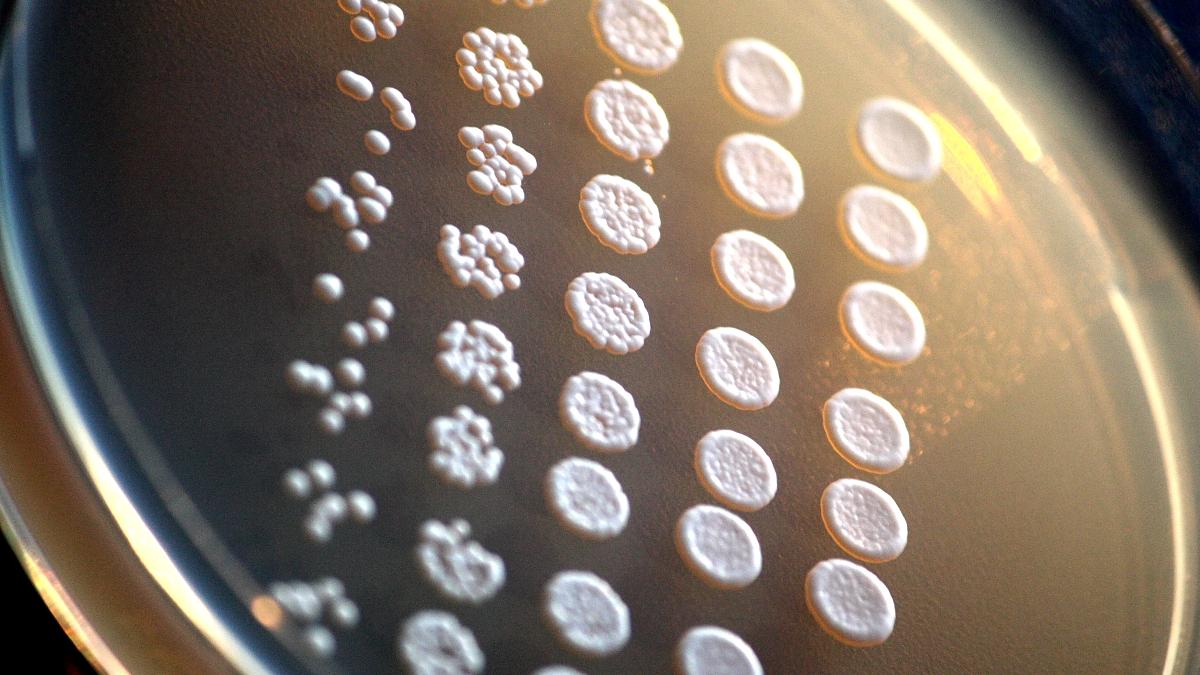
The team successfully modeled human RNA exosomopathies in yeast, a simpler organism that is easy to manipulate in the lab. By introducing mutations associated with these diseases into yeast, they observed similar effects on RNA processing, ribosome production, and protein synthesis. Furthermore, researchers created a “humanized yeast model” by replacing parts of the yeast RNA exosome with their human counterparts, allowing them to pinpoint specific genetic variants that cause functional defects.
“This distinctiveness explained the different clinical outcomes in patients with different RNA exosome mutations, and underscored the value of functional modelling to understand the conditions.”
These studies demonstrate that disease-causing variants that damage RNA exosomes in humans also do so in yeast. This opens the door for rapid drug testing in yeast to identify potential treatments that could ameliorate the damage in humans. The ability to quickly screen potential therapies in yeast could dramatically accelerate the search for treatments for these currently untreatable conditions.
**This article is part of *The Hindu*’s Science For All Newsletter. Stay tuned for more science and technology news, reviews of cinema and streaming content, and highlights of news in Karnataka.**
 First Piper