
Mon May 12 21:23:59 UTC 2025: ## Konkan’s Rock Pools: Crucial Frog Breeding Grounds, Study Reveals
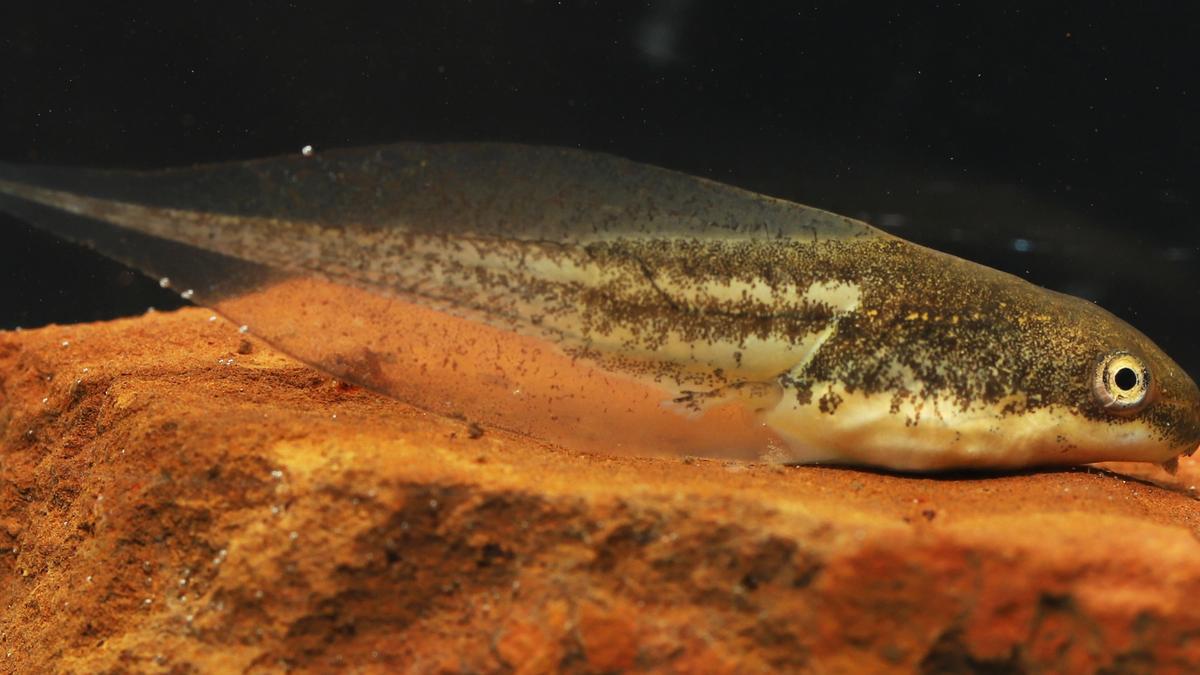
**Ratnagiri, Maharashtra, May 13, 2025** – A new study published in *Aquatic Ecology* sheds light on the vital role of freshwater rock pools in the Western Ghats region of India as critical frog breeding habitats. Researchers from the Nature Conservation Foundation, Vijayan Jithin and Rohit Naniwadekar, investigated the factors influencing tadpole populations in these unique ecosystems.
The research, conducted in Maharashtra’s Konkan region, focused on lateritic plateaus known as ‘sadas’. These plateaus, formed millions of years ago, feature rock pools that are crucial for various endemic species, including three frog species: the Jaladhara Skittering Frog, Nilphamari Narrow-mouthed Frog, and Common Indian Treefrog.
The study found that tadpole survival is significantly impacted by pool size, monsoon progression, and the presence of predators. Larger pools, which retain water longer, offer better protection from desiccation. The researchers also observed that tadpole numbers decline as the monsoon ends, and the presence of predators, such as fishing spiders and dragonfly larvae, negatively affects tadpole populations.
The study highlights the importance of these rock pools, not only for frog reproduction but also for overall ecosystem health. Tadpoles contribute to essential ecosystem functions such as nutrient cycling and water quality maintenance. The researchers warn that the conversion of these outcrops into orchards is reducing the availability of rock pools and threaten frog populations.
The findings emphasize the need for conservation efforts to protect these unique habitats and the diverse species they support. The researchers recommend the restoration and creation of rock pools to mitigate the impact of habitat loss and ensure the survival of these crucial amphibian breeding grounds, especially in the face of climate change and erratic rainfall patterns. This research marks the third publication from the team’s fieldwork in the Konkan region, building a comprehensive understanding of the region’s amphibian ecology.
 First Piper