
Sun May 04 23:40:00 UTC 2025: ## Egg Freezing: A Fertility Revolution or a Costly Gamble?
**New York, NY – May 4, 2025** – With US fertility rates at historic lows, egg freezing is rapidly gaining popularity, offering women the potential to delay motherhood. However, this burgeoning industry raises complex ethical and financial questions.
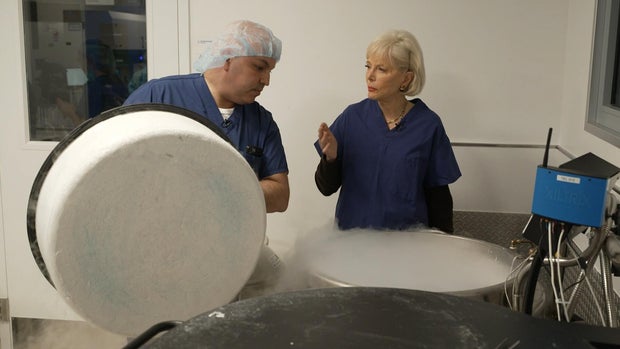
A 60 Minutes investigation reveals a dramatic rise in egg freezing procedures, increasing sixfold since 2014 to over 39,000 in 2023. This surge is fueled by several factors: the declining fertility of women over 35, the increasing career ambitions of women delaying family planning, and the growing number of corporations offering egg freezing as an employee benefit. While some view it as empowering, allowing women to prioritize education and career before starting a family, others express concern about the high cost and lack of guarantees.
The procedure involves a complex and costly process, averaging $12,000-$15,000 per cycle, plus annual storage fees. While some large companies cover the expense, making it a factor in employee retention, critics argue this incentivizes delaying motherhood for corporate gain rather than personal choice.
While doctors highlight the success rates – a 2022 study showed a 70% success rate for women under 38 who froze at least 20 eggs – they also emphasize that egg freezing is not a guarantee. The process involves multiple steps, each with a potential for failure, and the older a woman is when she freezes her eggs, the lower the chances of a successful pregnancy. Furthermore, the quality of eggs diminishes with age, impacting embryo viability. Concerns have also been raised about the potential for storage malfunctions and the ethical implications of prioritizing profit over patient care in some private equity-backed fertility clinics.
The ethical debate extends beyond success rates and cost. Experts like Vardit Ravitsky, president of the Hastings Center, worry that society’s emphasis on career achievement before motherhood pushes women to delay childbearing beyond their biological prime. She advocates for policies such as paid parental leave and flexible work arrangements to alleviate the pressure to delay starting a family.
The 60 Minutes report features several women who have undergone egg freezing, sharing both their hopes and anxieties. Some are elated at gaining control over their reproductive timeline, while others experienced disappointment and heartbreak. Ultimately, the decision remains highly personal, with experts urging women to weigh the benefits, risks, and costs carefully before proceeding. The report concludes with a call for greater transparency, affordability, and education regarding egg freezing, ensuring women make informed choices based on accurate information and realistic expectations.
 First Piper