
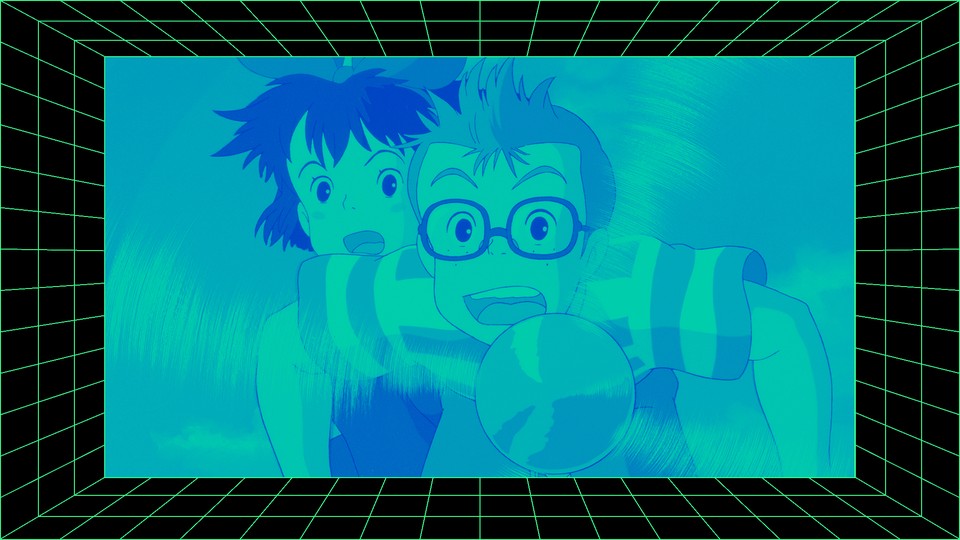
Sun Mar 30 02:00:00 UTC 2025: ## AI Art Sparks Backlash: Studio Ghibli Style Images Generated by ChatGPT Ignite Debate
**New York, NY** – The release of an updated image generation feature in OpenAI’s GPT-4o has ignited a firestorm of debate. Users are leveraging the technology to create images in the distinctive style of Studio Ghibli, the acclaimed Japanese animation studio, resulting in both impressive results and significant controversy.
The ease with which GPT-4o can mimic Ghibli’s artistic style has prompted concerns about intellectual property rights and the potential devaluation of human creativity. A video clip resurfaced showing Studio Ghibli co-founder Hayao Miyazaki denouncing AI as an “insult to life itself,” fueling the backlash.
However, not everyone views the AI-generated images negatively. In an interview with Atlantic Intelligence, Professor Ian Bogost of Washington University in St. Louis argued that while the images might be considered “stupid” or “ugly” by some, the issue lies not in the inherent “evil” of the technology, but rather in the scale and speed at which it can produce imitations. He highlighted the hypocrisy of some users who simultaneously champion fan art while condemning AI for doing essentially the same thing – copying an artistic style – albeit on a much larger scale.
Bogost further argued that the images are less about artistic creation and more about playful experimentation, akin to using an Instagram filter. He points out that the controversy conflates several issues: copyright concerns, the “intentional fallacy” (ascribing meaning solely based on the artist’s intent), and the impact on the perceived exclusivity of Studio Ghibli’s style.
The article also highlighted the role of social media in disseminating these AI-generated images, framing them as a new type of meme: not just based on the image’s content but on its AI-generated style itself. This “engagement baiting” aspect, Bogost suggests, is what many find most objectionable, perceiving it as a form of digital “poser” behavior.
Ultimately, Bogost urges a more curious and less reactive approach to this new technology. He encourages exploring the underlying reasons for the negative response, rather than simply dismissing the phenomenon as inherently wrong. The debate highlights the complex ethical and creative challenges presented by rapidly advancing AI image generation technology.
 First Piper