
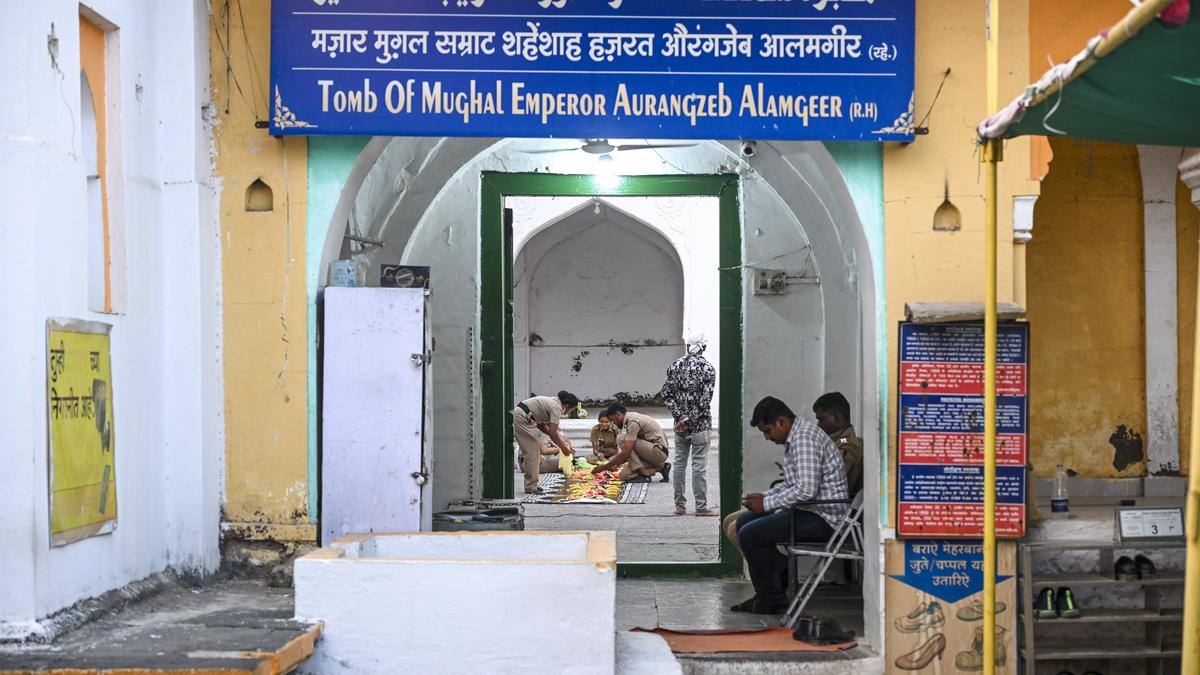
Mon Mar 24 20:10:12 UTC 2025: ## Maharashtra’s Aurangzeb Tomb Controversy Fuels Violence and Political Tensions
**Nagpur, Maharashtra, March 25, 2025** – Recent violence in Nagpur, Maharashtra, sparked by a controversy surrounding the tomb of 17th-century Mughal ruler Aurangzeb, has left one dead and dozens injured. The unrest, which saw a third of the city under curfew, occurred days before Prime Minister Narendra Modi’s scheduled visit to the RSS headquarters in the same city.
The violence followed a social media campaign urging “bulldozer justice” against those involved. The state government subsequently demolished parts of the homes of two key accused, a move swiftly stayed by the Bombay High Court, which criticized the action as “high-handed.”
The controversy’s origins lie in the release of the film “Chhaava,” depicting the alleged torture and killing of Chhatrapati Sambhaji Maharaj by Aurangzeb. Subsequent comments by Samajwadi Party leader Abu Azmi, who defended Aurangzeb’s legacy, ignited further outrage and protests demanding the tomb’s destruction. While Azmi later apologized, the calls for demolition continued, with prominent figures, including BJP leader Udayanraje Bhosale, voicing support. Chief Minister Devendra Fadnavis, while acknowledging the desire to act, emphasized the need to adhere to the law as the site is protected by the Archaeological Survey of India.
This is not an isolated incident. Similar controversies around Aurangzeb have surfaced in recent years, highlighting the increasing politicization of the issue. While some Muslim leaders have distanced themselves from Aurangzeb’s legacy, the government’s focus on social media posts featuring Aurangzeb’s image, rather than addressing law and order issues, is raising concerns.
The Aurangzeb controversy is just one example of growing social tensions in Maharashtra. Recent events such as the issuance of Malhar certification for Jhatka meat and violence during the Shimga procession point to a worrying trend of escalating social divisions over seemingly minor issues, diverting attention from pressing problems like inflation, unemployment, and farmer suicides. Critics argue these incidents are dangerous and unchecked examples of divisive politics.
 First Piper