
Sat Mar 15 02:33:30 UTC 2025: ## SpaceX Launches Crew to Rescue Stranded Astronauts
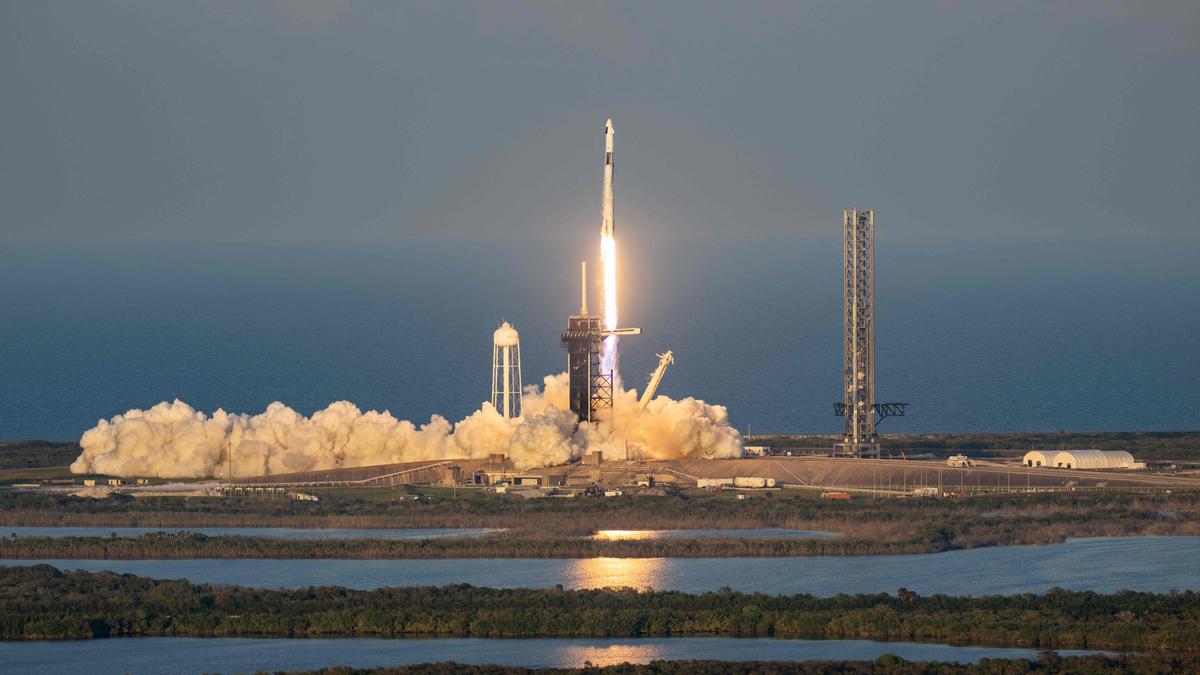
**Cape Canaveral, FL –** A SpaceX Falcon 9 rocket successfully launched a four-person crew to the International Space Station (ISS) Friday night, marking a crucial step in the return of two NASA astronauts stranded in space for nine months. Astronauts Butch Wilmore and Sunita Williams, whose mission was extended due to technical malfunctions with their original spacecraft, are expected to return to Earth next week.
The rescue mission, Crew-10, included NASA astronauts Anne McClain and Nichole Ayers, along with Takuya Onishi (Japan) and Kirill Peskov (Russia). The new crew will spend the standard six-month rotation on the ISS. The arrival of Crew-10 allows for a crew overlap, enabling Wilmore and Williams to brief their replacements before their departure.
Wilmore and Williams’ extended stay, initially planned for a week, was caused by helium leaks and thruster failures on their Boeing Starliner capsule. Following investigations, NASA deemed the Starliner unsafe, leading to a delay in their return. Further delays arose from needed repairs to a brand-new SpaceX capsule, eventually prompting a switch to a used capsule to expedite the rescue.
The astronauts’ prolonged mission garnered significant public and political attention, with President Donald Trump and SpaceX CEO Elon Musk attributing the delay to the previous administration. Despite the extended stay, Wilmore and Williams maintained a positive attitude, completing crucial repairs on the ISS, conducting experiments, and even setting a new record for female spacewalks (Williams now holds the record with nine). A last-minute hydraulics issue delayed the launch by a day, but the problem was resolved.
Wilmore and Williams expressed their gratitude for the public support and excitement surrounding their mission, emphasizing the positive impact on space exploration awareness. They both eagerly anticipate reuniting with their families and resuming their life outside the confines of the ISS.
 First Piper