
Wed Mar 19 09:27:08 UTC 2025: ## Sudan’s Civil War Nears Two-Year Mark, Threatening Regional Stability
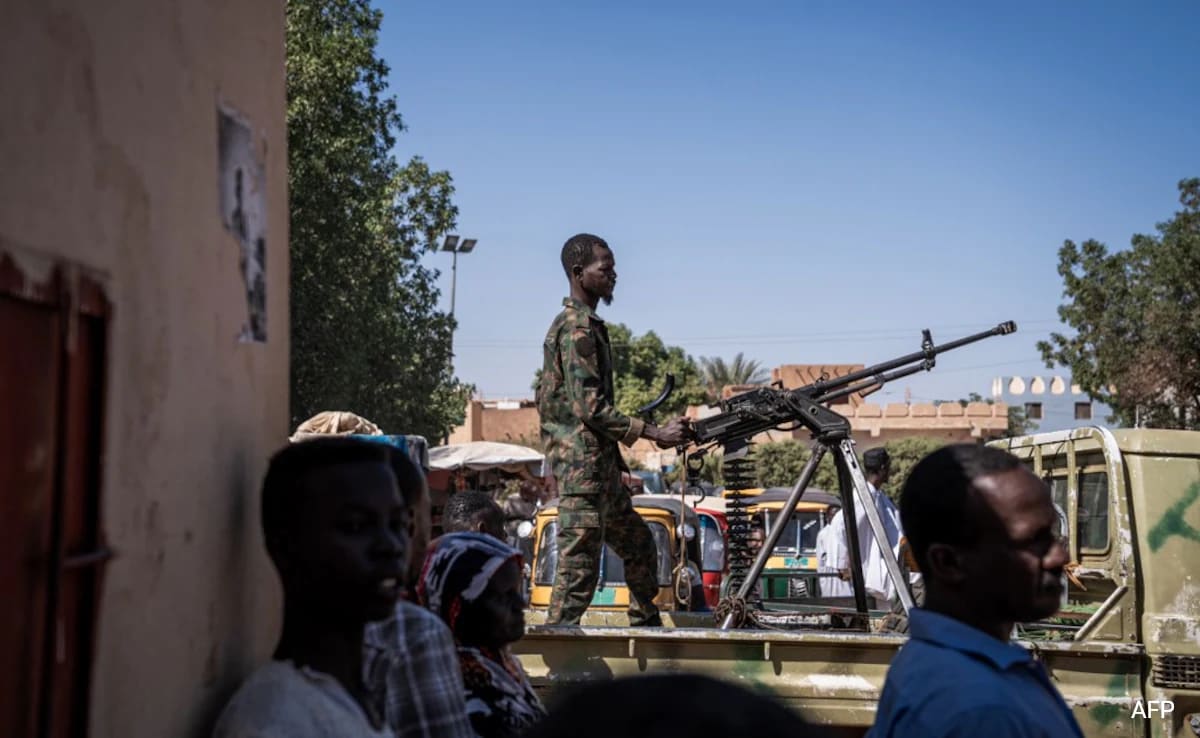
**Khartoum, Sudan** – As Sudan’s brutal civil war approaches its second anniversary on April 15th, the country faces a potential catastrophic division with far-reaching consequences for the already volatile Horn of Africa. The conflict, which began amidst a power struggle between the Sudanese Armed Forces (SAF) and the Rapid Support Forces (RSF), has spiralled into a humanitarian crisis of unprecedented scale.
According to UNICEF, the conflict affects two-thirds of Sudan’s population—30 million people—making it the world’s worst humanitarian emergency. Over 14 million have been displaced, including nearly 3.5 million refugees in neighboring countries. Casualty estimates reach at least 20,000, but the true number is likely far higher due to widespread undocumented violence. The economic cost is staggering, with estimated losses of $15 billion and a projected 48% decline in GDP by 2025.
The current conflict is rooted in Sudan’s long history of instability and misgovernance. Decades of autocratic rule under Omar Hassan al-Bashir, culminating in his 2019 overthrow, set the stage for the current crisis. Failed attempts at civilian-military power-sharing ultimately led to the April 2023 eruption of violence between the SAF, led by General Abdel Fattah al-Burhan, and the RSF, commanded by General Mohammed Hamdan Dagalo. Underlying the conflict are the competing ambitions of these two leaders, overshadowing the initial demands for civilian rule.
Despite numerous failed ceasefire attempts, the SAF has recently gained ground, retaking parts of Khartoum and key areas like Wadi al-Madani. However, the RSF maintains control over significant territories, including Darfur, where it has besieged SAF forces. This shifting control and the involvement of various tribal militias paint a complex and volatile picture.
Adding to the instability, the RSF has announced the formation of a “New Sudan” government, prompting fears of the country’s partition. This move has drawn strong condemnation from the UN Security Council, the African Union, and the EU, who all warn of the dangers of such a division, echoing concerns about the destabilizing effect of a similar partition in neighboring Libya. The potential for further regional conflict is heightened by the RSF’s history of violence against African tribes in Darfur and its volatile bordering states.
The international community’s response is fragmented. While the SAF-led government receives support from Egypt, Turkey, and Iran, the UAE is suspected of backing the RSF, though this is denied. Other actors, including Chad, Russia’s Wagner group, and various mercenary groups, further complicate the situation.
Some observers believe partition could halt the spread of the conflict, but many view this as a dangerously optimistic assessment, given the deeply entrenched grievances and the likelihood of prolonged conflict between the two factions. The ongoing crisis in Sudan underscores the urgent need for a concerted international effort to prevent further escalation and alleviate the devastating humanitarian crisis.
 First Piper