
Thu Mar 13 04:30:00 UTC 2025: ## GOP Leaders Urge Lawmakers to Skip In-Person Town Halls Amidst Heated Encounters
**WASHINGTON** — Republican leaders in Congress are advising their members to avoid in-person town hall meetings, citing disruptive protests and a preference for alternative communication methods. The move follows several recent incidents where Republican lawmakers faced angry constituents, with videos of these confrontations going viral.
National Republican Congressional Committee (NRCC) Chairman Richard Hudson told lawmakers that alternative methods, such as tele-town halls and smaller group meetings, are more efficient and avoid disruptions caused by what he described as “attention-seeking activists” and “paid protesters.” House Speaker Mike Johnson echoed these concerns, stating that in-person town halls provide a platform for “professional protesters.” Neither Hudson nor Johnson offered evidence to support their claims.
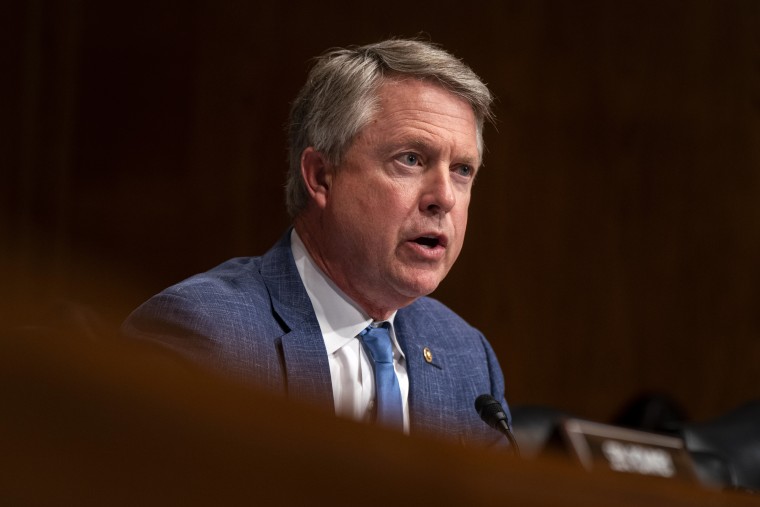
These warnings follow previous advice from House GOP leadership urging lawmakers to avoid or carefully vet attendees at town halls. The recent incidents include tense encounters at town halls featuring Representatives Roger Marshall (R-Kan.) and Keith Self (R-Texas), where attendees voiced strong opposition to government policies, particularly concerning federal worker cuts affecting veterans.
Democrats have sharply criticized the Republicans’ decision, accusing them of avoiding accountability and engagement with constituents. Democratic Congressional Campaign Committee spokesperson Viet Shelton stated that the strategy appears to be one of avoidance. The Democratic National Committee similarly condemned the move. Former President Donald Trump also weighed in, claiming, without evidence, that protesters were paid to disrupt the events.
The NRCC’s communication director, Will Kiley, countered that the use of technology makes reaching constituents easier and more efficient. However, the decision to largely avoid in-person town halls has raised concerns about transparency and direct communication between elected officials and their constituents.
 First Piper