
Mon Mar 10 20:10:00 UTC 2025: ## Wall Street Plunges on Trump’s Economic Uncertainty; Bitcoin Falls
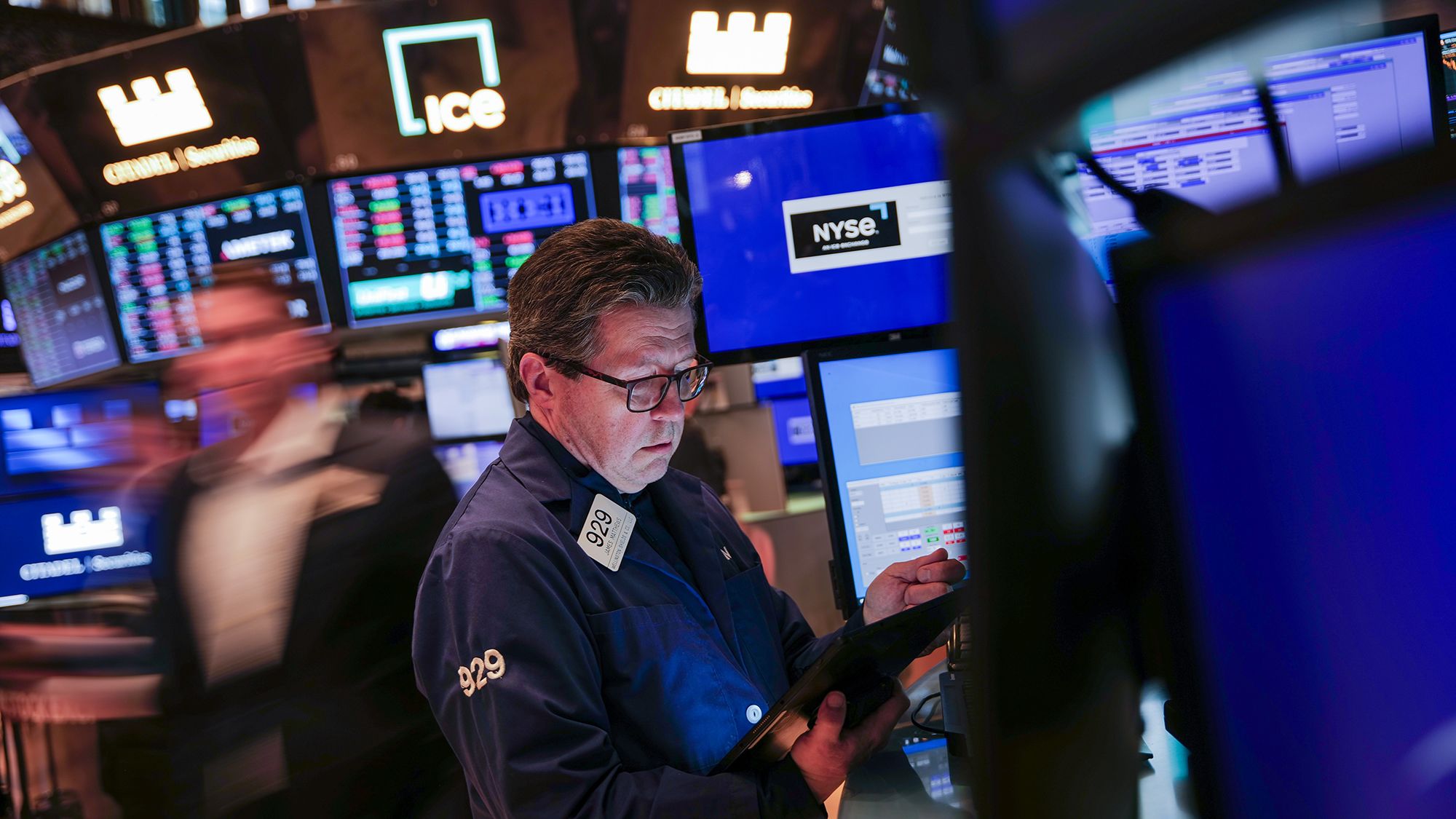
**New York, NY (CNN) —** Wall Street experienced its worst day of the year on Monday, with major indexes plummeting amid growing anxieties over President Donald Trump’s economic policies and the potential for a recession. The Dow Jones Industrial Average closed down 890 points (2.08%), the S&P 500 fell 2.7%, and the Nasdaq Composite plunged 4%, its largest single-day decline since September 2022. All three major indexes erased their post-election gains.
The selloff was largely triggered by Trump’s recent comments suggesting a potential economic “transition period” and refusal to rule out a recession. His fluctuating tariff policies, including threats of increased levies on imports from Canada, Mexico, and China, further fueled investor uncertainty. The VIX, a key measure of market volatility, reached its highest level of the year, reflecting widespread fear.
Tech stocks were particularly hard hit, with the “Magnificent Seven” (Alphabet, Amazon, Apple, Meta, Microsoft, Nvidia, and Tesla) all closing in the red. Tesla, already facing challenges including slumping sales and protests against CEO Elon Musk, experienced a dramatic 15.4% drop. Other AI-related stocks also suffered significant losses.
Bitcoin mirrored the overall market downturn, falling to its lowest level since November amid a broad selloff of risky assets. Concerns about inflation and slowing economic growth also contributed to the market’s decline, with the yield on the 10-year US Treasury falling as investors sought safety in government bonds.
Analysts attributed the market’s reaction to the uncertainty surrounding Trump’s policies, with some arguing that the constant threat of tariff changes is even more damaging than their implementation. The ongoing uncertainty, combined with rising inflation and slowing hiring, has left investors increasingly cautious. Upcoming inflation data will be closely watched this week for further clues about the economy’s direction. The possibility of a recession, defined as two consecutive quarters of negative GDP growth, looms large in the minds of investors and analysts alike.
 First Piper