
Tue Mar 11 07:14:12 UTC 2025: ## Climate Change to Congest Low Earth Orbit, Study Warns
**Cambridge, MA – March 11, 2025** – A new MIT study published in *Nature Sustainability* reveals that climate change will significantly increase space debris in low Earth orbit (LEO), potentially reducing available space for satellites by up to 82% by the end of the century.
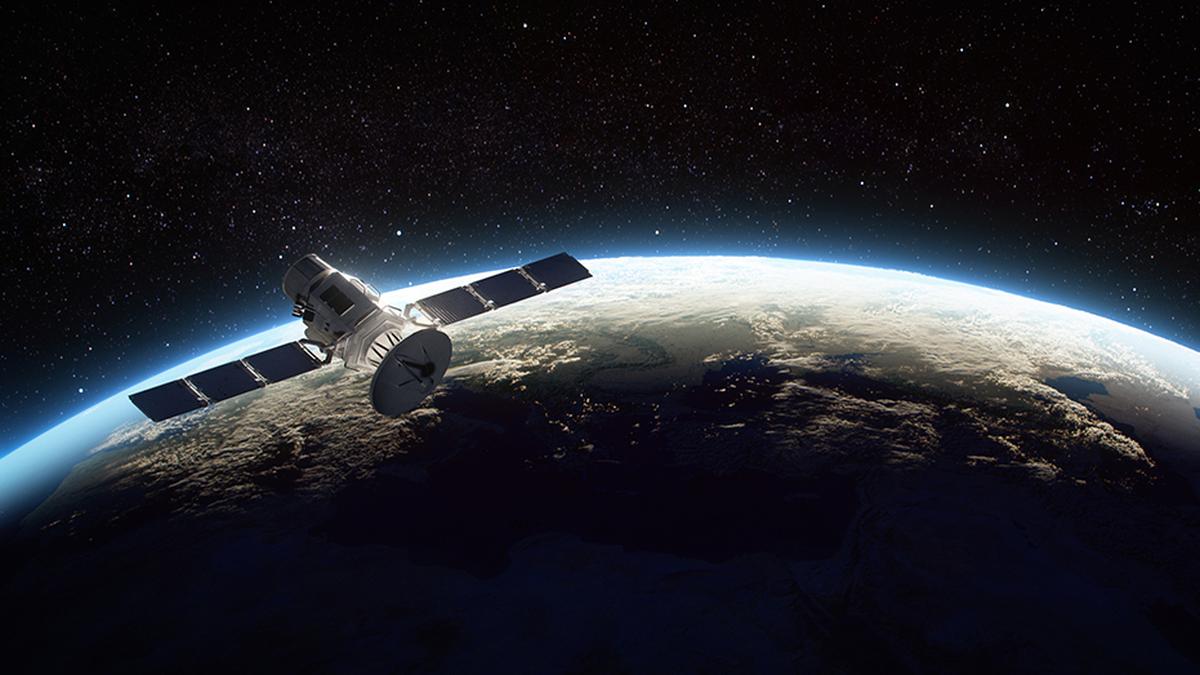
The research highlights the cooling effect of greenhouse gases on the upper atmosphere. This cooling reduces atmospheric density, lessening the drag that naturally pulls space debris back to Earth. Consequently, the already substantial amount of space junk – millions of pieces larger than 3 millimeters, including defunct satellites and rocket parts – will persist longer in orbit, creating a more congested and hazardous environment for operational satellites.
Lead author Will Parker emphasizes the reliance on the atmosphere for naturally clearing space debris, stating, “We rely on the atmosphere to clean up our debris. There’s no other way to remove debris.”
The study underscores the growing concern surrounding space sustainability. With over 7,000 satellites currently orbiting Earth in LEO, their functionality is crucial for communication, navigation, and environmental monitoring. The increasing density of debris poses a significant threat to these assets, potentially causing collisions with catastrophic consequences.
Supporting the findings, space weather scientist Ingrid Cnossen of the British Antarctic Survey notes the study’s accuracy and stresses the necessity for proactive measures to mitigate the orbital impacts of climate change.
The study serves as a stark warning, highlighting the unintended consequences of climate change extending beyond Earth’s surface and demanding immediate attention to the growing problem of space debris. The researchers urge immediate action to develop strategies for mitigating the increasing congestion and ensuring the long-term sustainability of space operations.
 First Piper