
Mon Mar 10 00:30:00 UTC 2025: ## India’s Wheat Harvest Threatened by Record Heat
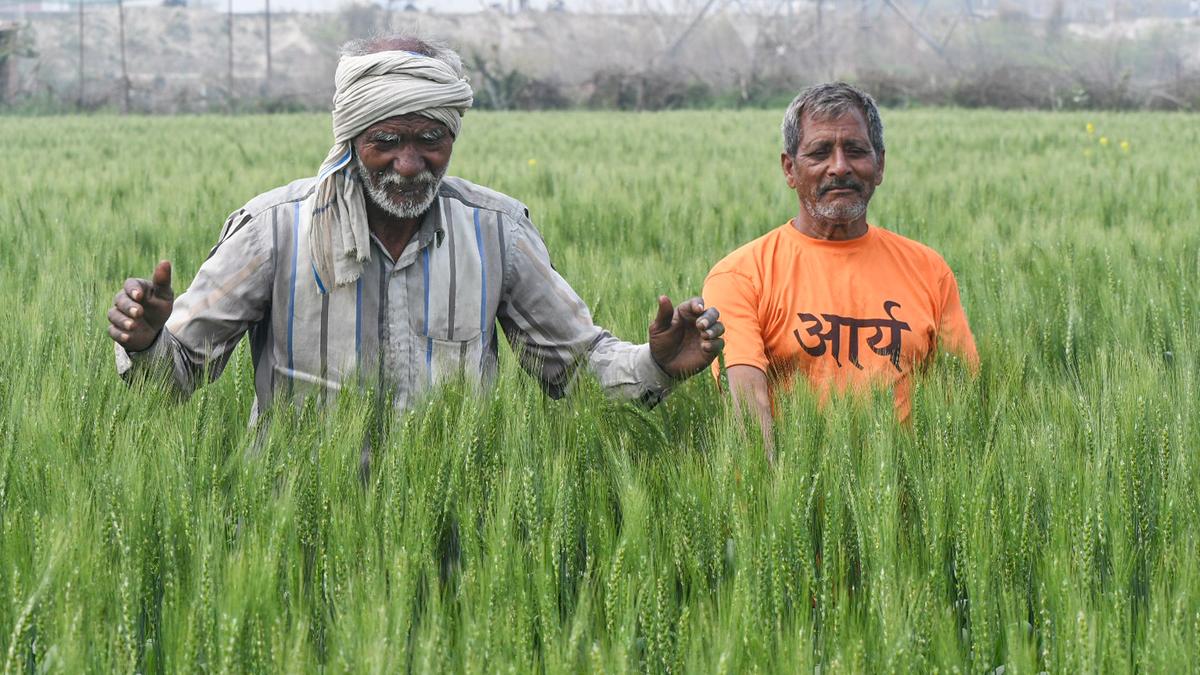
**New Delhi, March 10, 2025** – India is facing a critical threat to its wheat harvest due to record-breaking temperatures. February 2025 was the warmest in 124 years, and March is predicted to be even hotter, with above-normal temperatures and increased heatwave frequency. This coincides with the crucial wheat harvesting period, jeopardizing the nation’s second most consumed crop after rice.
The primary wheat-growing regions in the Indo-Gangetic plains, including Uttar Pradesh, Punjab, Haryana, and Madhya Pradesh, are experiencing the brunt of the extreme heat. Wheat requires cooler conditions to thrive, and the current heat stress significantly impacts its growth and yield.
The government’s wheat procurement target for the 2025-2026 rabi marketing season has been lowered to 30 million tonnes, despite aiming for a record 115 million tonnes production in the previous crop year. This follows procurement figures below target in the previous year, highlighting the existing challenges.
Scientists attribute the escalating heat to a rapidly warming Indian Ocean, predicted to be in a near-permanent heatwave state by the end of the century. This will further disrupt India’s monsoon patterns, impacting both the kharif (summer) and rabi (winter) cropping seasons. The delayed kharif season further delays the rabi planting, exacerbating the problem.
Experts warn that high temperatures cause early flowering and faster ripening, leading to lighter grains with lower starch content and reduced overall yield. The quality is also affected, resulting in lower market prices for farmers. This, in turn, can lead to increased and inefficient use of fertilizers and pesticides.
The problem is compounded by the limited access to climate-resilient wheat varieties among farmers. While such varieties are crucial, they are not a complete solution to the broader issue of climate change’s impact on food systems.
Addressing this challenge requires a multifaceted approach, experts say. This includes immediate policy support like compensation for farmers, alongside long-term solutions such as promoting heat-resistant varieties, adjusting sowing dates, providing financial support and crop insurance, and improving weather monitoring and advisories. Ultimately, guaranteeing food security necessitates improving resource management and addressing yield gaps.
 First Piper