
Sun Mar 09 13:30:56 UTC 2025: ## Madurai Grapples with Unregulated Auto Rickshaw Fares, New Initiatives Offer Hope
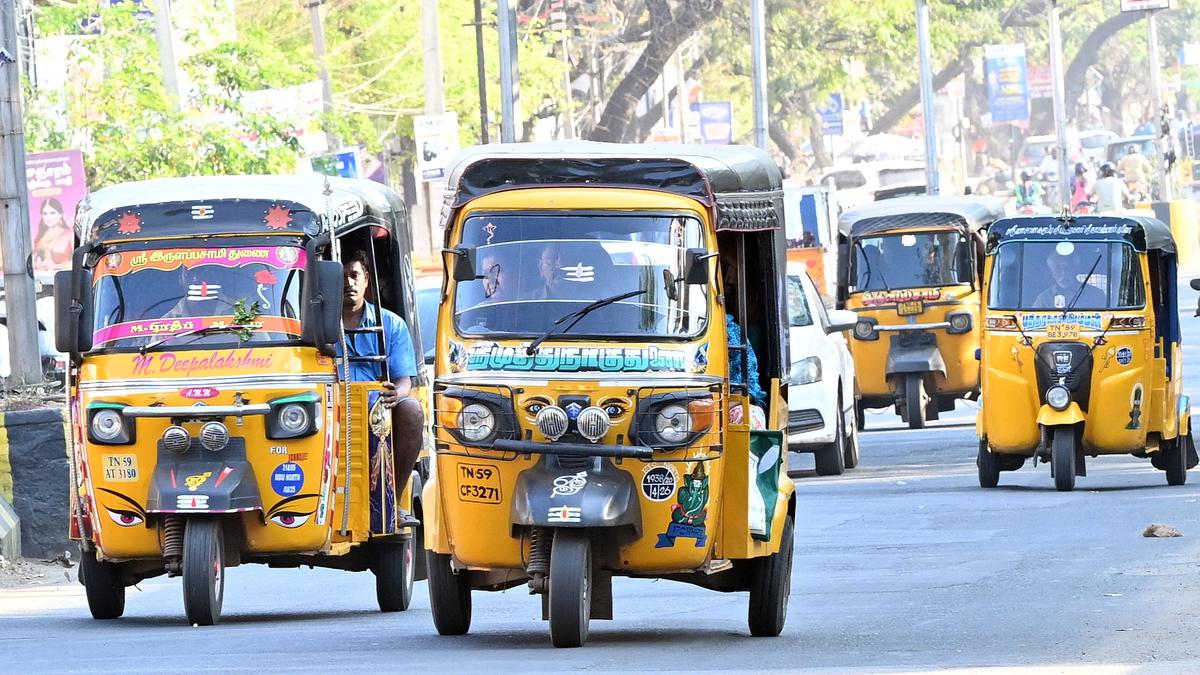
**Madurai, Tamil Nadu, March 9, 2025** – The rise of private transportation options in Madurai, while offering convenience, has led to widespread concerns over unregulated fares, particularly for auto rickshaws. While government buses and trains maintain fixed fares, the lack of consistent monitoring of auto rickshaw, taxi, and bike taxi prices has resulted in exorbitant charges, leaving commuters frustrated.
The defunct meter system, once intended to regulate auto rickshaw fares, has been largely ignored by drivers citing factors like rising fuel costs and increased demand. This has led many commuters to seek alternative transportation, even creating a market for corporate booking apps which, while initially offering lower fares, have also seen price increases mirroring traditional auto rates. These apps also impose significant commissions on drivers, leading to further fare hikes.
In response to public discontent, some drivers have formed cooperatives like Vaigai Meter Auto, offering fixed fares and centralized booking, proving a successful alternative. However, the broader issue of unregulated fares persists. School teacher M. Kirubakaran highlights the unaffordability of daily auto commutes, forcing many to rely on buses despite inconvenience.
Fortunately, improvements in bus connectivity are underway. The recent introduction of 47 new minibus routes in addition to existing services and a revised fare structure (₹4 minimum, ₹10 maximum) aims to alleviate some of the burden on commuters. These new routes, especially those connecting areas around the Meenakshi Sundareswarar Temple, are already proving beneficial.
Addressing the wider problem of fare deregulation, the Tamil Nadu government has proposed new guidelines to cap fares for auto rickshaws, bike taxis, and cabs. These include specific fare limits, licensing requirements for aggregators and drivers, and a substantial registration fee for aggregators. While these measures aim to bring much-needed regulation, potential opposition from aggregators and unions is anticipated. The success of these guidelines will depend on the government’s ability to enforce them effectively, a challenge faced by previous administrations.
 First Piper