
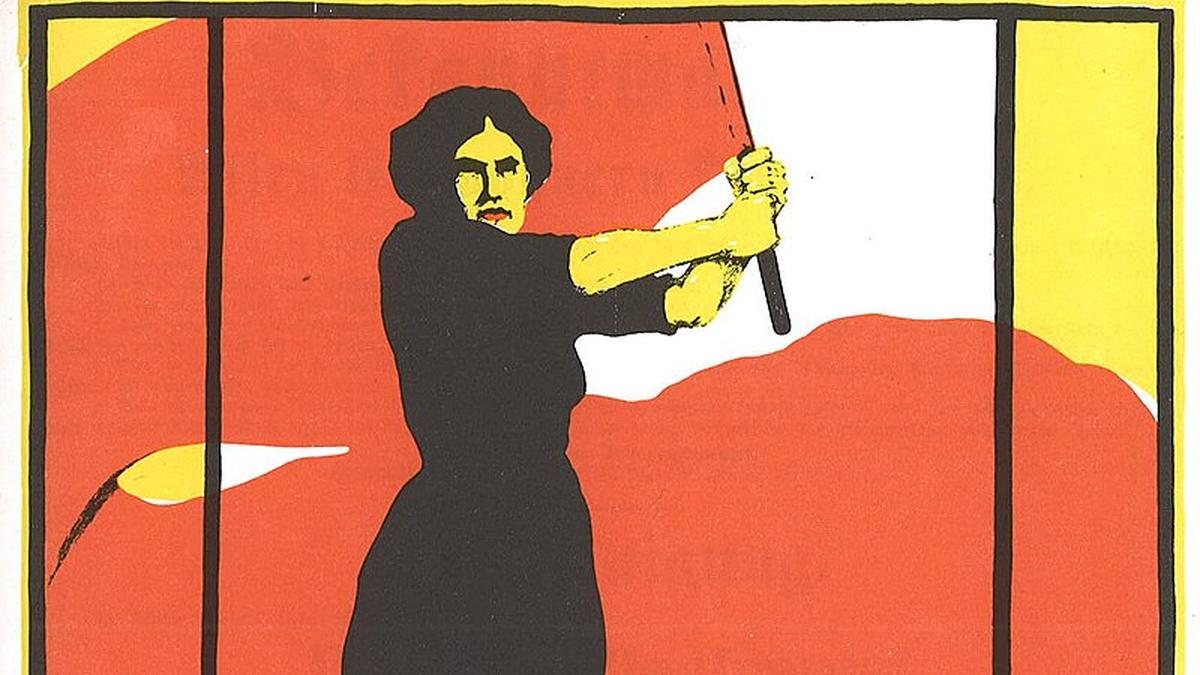
Sat Mar 08 00:32:00 UTC 2025: ## International Women’s Day: A History Rooted in Labor Struggles
**New Delhi, March 8, 2025** – While International Women’s Day is now marked globally with celebratory messages from leaders and corporations, its origins lie in the hard-fought battles of women workers in the early 20th century. Far from a simple commemoration of gender equality, the day’s history is deeply intertwined with labor movements and the fight for suffrage.
The first Women’s Day, according to Russian revolutionary Alexandra Kollontai, stemmed from a 1909 demonstration by American socialist women demanding political rights. This event, organized by American working-class women, inspired the Second International Congress of Socialist Women in Copenhagen in 1910 to establish an annual International Women’s Day, initially on March 19th. Later, it was moved to March 8th.
The impetus for these early celebrations was the dire situation faced by women garment workers. They endured grueling 75-hour workweeks, meager wages, and exploitative working conditions, fueling strikes like the 1909 New York Shirtwaist Strike (“Uprising of the 20,000”) and the 1910 Chicago garment workers’ strike. These struggles, characterized by slogans like “Bread and Roses,” highlighting the need for both economic security and dignity, were crucial in raising awareness and galvanizing action.
The significance of International Women’s Day extended beyond the West. In 1917, a Women’s Day march in Russia, demanding an end to World War I and improved living conditions, became a catalyst for the October Revolution. Vladimir Lenin later declared March 8th a national holiday in recognition of women’s pivotal role.
Today, while celebrations emphasize empowerment and equality, understanding the historical context of International Women’s Day is vital. It serves as a reminder of the ongoing fight for women’s rights, rooted in the struggles of working women who fought for fair wages, safe working conditions, and political participation.
 First Piper