
Sat Mar 01 16:05:00 UTC 2025: ## Delhi’s Traffic a Major Contributor to Hazardous Air Pollution: Study
**New Delhi, March 3, 2025** – A new study published in *Nature Communications* reveals that vehicular emissions are a significant contributor to the dangerously high levels of PM2.5 air pollution in Northern India, particularly in urban areas like Delhi. The research, conducted across five sites in the Indo-Gangetic Plain, including Delhi and Kanpur, found that traffic-related pollution accounts for up to 40% of total organic aerosols at urban roadside locations.
The study, led by Dr. Sachchida N. Tripathi of IIT Kanpur, analyzed the composition and oxidative potential of PM2.5, a key indicator of its health risks. While high particulate matter concentrations were consistent across the region, the study highlights the significant impact of local emission sources. In Delhi, ammonium chloride and organic aerosols from vehicles, residential heating, and fossil fuel combustion were dominant. Outside Delhi, ammonium sulfate, ammonium nitrate, and biomass-burning aerosols were more prevalent.
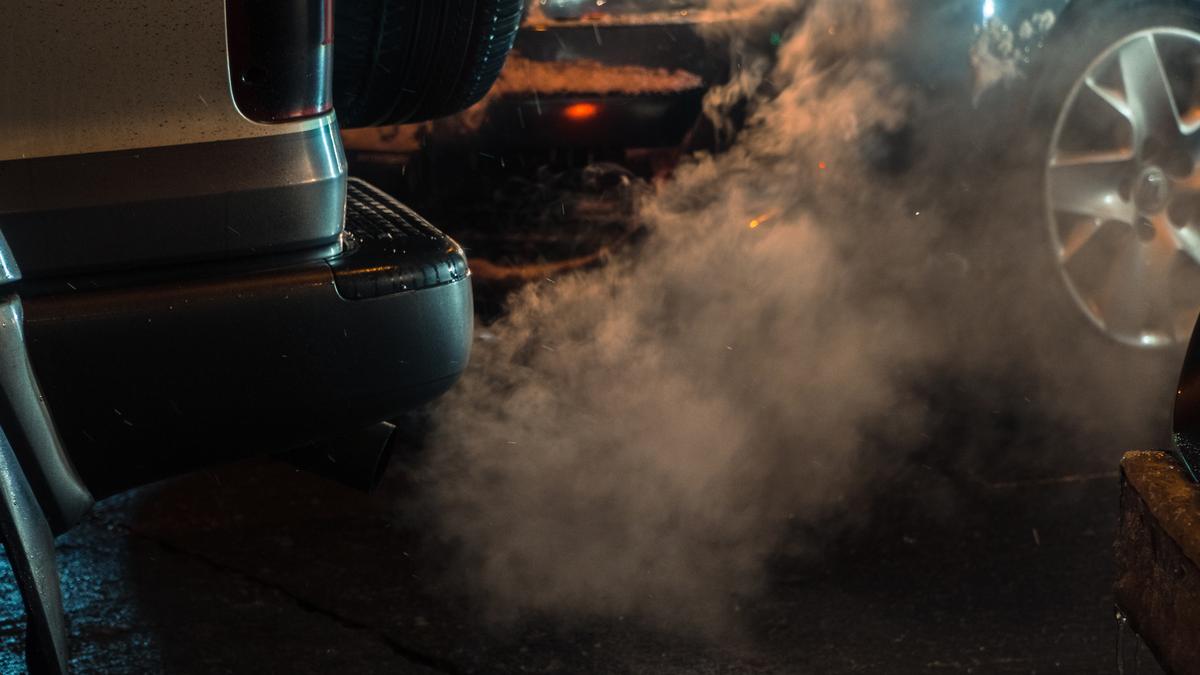
Hydrocarbon-like organic aerosols, primarily from vehicular tailpipe emissions, showed the highest average concentrations at Delhi’s urban roadside sites (8 micrograms per metre cube), contributing up to 20% of total organic aerosol mass, rising to 40% at roadside locations. These aerosols constituted 50% of total fossil fuel-derived organic aerosols. The study also found that cow dung combustion for heating and cooking in winter significantly increased primary organic aerosol concentrations, particularly at night.
The study’s findings underscore that inefficient combustion processes, primarily from traffic and residential sources, are major contributors to the high oxidative potential of PM2.5 in Northern India. This oxidative potential is significantly higher than in Chinese and European cities, by up to five times. The researchers urge policymakers to implement effective air quality control strategies focusing on reducing primary emissions from incomplete combustion to mitigate these significant health risks.
 First Piper