
Wed Mar 05 06:29:25 UTC 2025: ## Colossal Biosciences Creates “Woolly Mice” in De-Extinction Effort
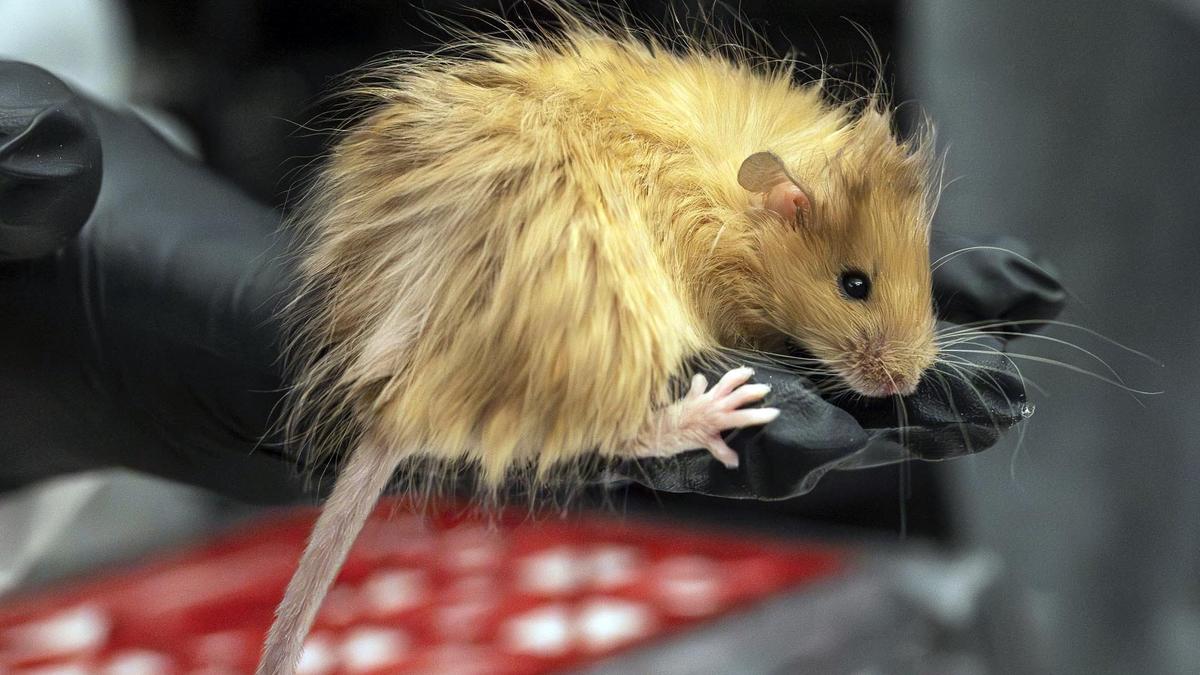
**Dallas, TX – March 5, 2025** – Colossal Biosciences, the biotechnology company aiming to resurrect extinct species, announced a significant breakthrough: the creation of genetically modified mice with long, thick, woolly hair. The company achieved this by simultaneously editing seven genes in mouse embryos, resulting in rodents nicknamed “Colossal woolly mice.” While the results have been posted online, they are yet to undergo peer review.
The research, detailed in an online posting, focuses on replicating traits associated with cold tolerance, specifically hair texture and fat metabolism. These traits were selected based on their likely importance in the survival of woolly mammoths, the company’s ultimate target. Colossal’s scientists identified the relevant genes by analyzing existing DNA databases, combining existing genetic variations already present in some living mice into a single organism.
The success with mice represents a critical step in Colossal’s ambitious plan. The company intends to apply the same gene-editing techniques to Asian elephants, the closest living relatives of woolly mammoths, in an effort to create animals with mammoth-like characteristics. However, this next stage faces significant regulatory hurdles given the endangered status of Asian elephants.
The scientific community has expressed mixed reactions to the project. While some praise the technological advancement and potential applications in conservation and animal agriculture, others question the ethical implications and the true meaning of “de-extinction.” Critics argue that genetically modifying an Asian elephant to resemble a woolly mammoth is not the same as bringing back the extinct species.
Despite the skepticism, Colossal remains optimistic about its technology’s potential. The company emphasizes its broader implications, including potential applications in human healthcare. Colossal has already spun off two healthcare companies based on this technology, highlighting its commitment to commercializing its research.
 First Piper