
Wed Mar 05 09:13:15 UTC 2025: ## Vesuvius Victim’s Brain Turned to Glass: A Unique Discovery at Herculaneum
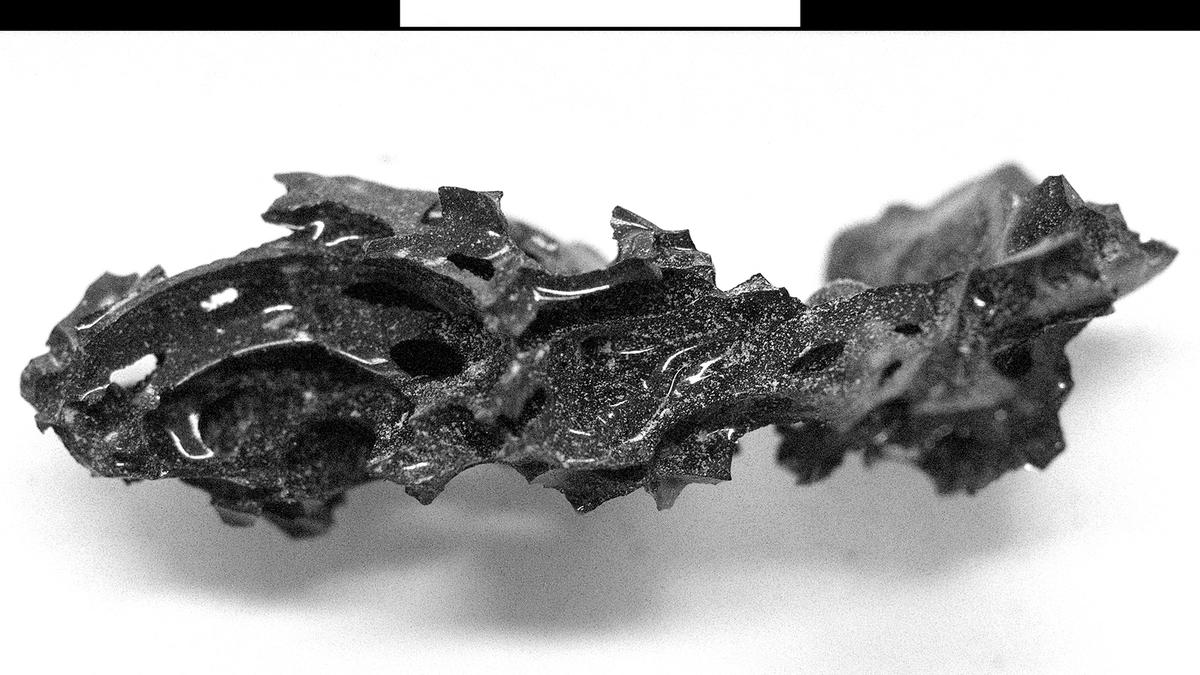
**Herculaneum, Italy –** New research reveals a startling discovery from the catastrophic eruption of Mount Vesuvius in 79 CE: the vitrified remains of a young man’s brain. The finding, published in *Scientific Reports*, sheds light on the extreme conditions experienced during the eruption and offers a unique insight into ancient Roman life.
The victim, a young man discovered in 1961 at Herculaneum, was likely killed instantly by a pyroclastic surge – a fast-moving cloud of superheated gas and ash – reaching temperatures exceeding 510°C. This intense heat, followed by rapid cooling, caused parts of his brain to transform into glass, a process known as vitrification. This is the only known instance of vitrified human brain tissue found in any archaeological site.
Researchers from Roma Tre University, led by Guido Giordano, detailed the process. The skull’s protective nature prevented the brain from vaporizing completely, while the fragmentation of the brain allowed for quicker cooling, facilitating vitrification. Subsequently, the remains were preserved within the hardened ash deposits of Herculaneum.
This discovery contrasts with the preservation of victims at Pompeii, the more famous Vesuvius victim site, where bodies were encased in solidified ash. The different preservation methods reflect the distinct ways each city experienced the eruption; Pompeii endured a slower, ash-fall-dominated destruction, while Herculaneum was overwhelmed by a rapid, intensely hot pyroclastic surge.
The research provides crucial information about the extreme heat and speed of the pyroclastic flows, adding significantly to our understanding of the Vesuvius eruption and the devastation it wrought. The preserved brain tissue, exceptionally rare and unique, continues to yield valuable scientific data centuries after the event.
 First Piper