
Sat Mar 01 18:41:00 UTC 2025: ## India’s Obesity Crisis: A Nation Grapples with Rising Rates of Overweight and Disease
**New Delhi, March 2, 2025** – India is facing a growing public health crisis fueled by soaring obesity rates, with Prime Minister Narendra Modi recently highlighting the issue in his “Mann Ki Baat” radio address. The Prime Minister urged a 10% monthly reduction in oil consumption and nominated prominent figures to raise awareness.
Data from the National Family Health Surveys (NFHS) reveals a significant increase in overweight and obese individuals. Between NFHS-4 (2015-16) and NFHS-5 (2019-21), the percentage of overweight/obese women rose from 20.6% to 24%, while the figure for men increased from 18.9% to 22.9%. Urban areas show considerably higher rates than rural areas. A concerning trend is the rise in childhood obesity, with the percentage of overweight children under 5 increasing from 2.1% to 3.4% during the same period. Projections indicate even higher rates for older children by 2030.
Experts warn that obesity, often termed the “mother of all diseases,” is a major risk factor for numerous life-threatening conditions, including cardiovascular disease, cancer, diabetes, and osteoarthritis. India already bears a heavy burden of these non-communicable diseases (NCDs), which account for approximately 60% of all deaths in the country. The high prevalence of diabetes (estimated at 101 million) and the rising cancer rates underscore the severity of the situation.
The rise in obesity is attributed to several interconnected factors, including unhealthy diets high in ultra-processed foods, decreased physical activity, and even air pollution. Socioeconomic factors also play a significant role, with low-income households often relying on affordable but less nutritious carbohydrates. The lack of access to fruits, vegetables, and other healthy foods further exacerbates the problem. A lack of safe and accessible spaces for physical activity in urban areas also contributes to the issue.
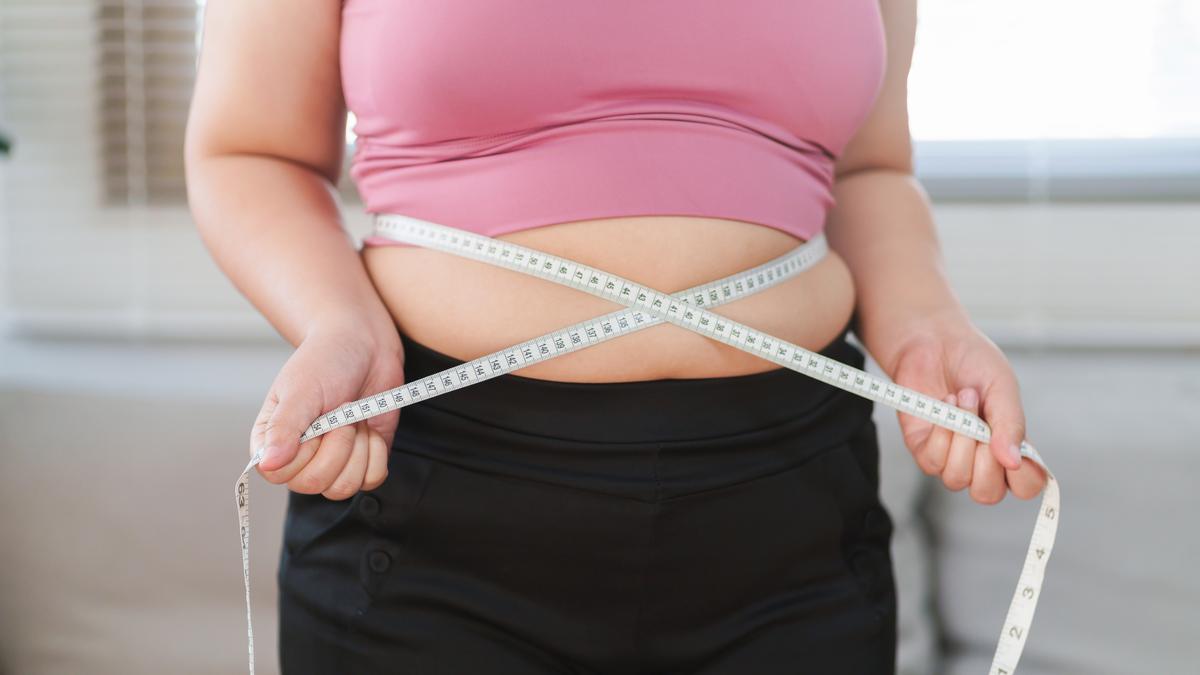
While Body Mass Index (BMI) is commonly used, experts are increasingly emphasizing the importance of abdominal fat distribution as a key indicator of health risks. New guidelines introduced in January highlight the need to consider waist circumference, waist-to-height ratio, and body fat measurements alongside BMI for accurate diagnosis and treatment. The new classification introduces two stages of obesity, differentiating between increased adiposity with and without significant impact on organ function and daily activities.
The government and public health officials are facing the challenge of addressing this multifaceted problem, requiring a comprehensive approach encompassing dietary changes, increased physical activity, improved urban planning, and targeted interventions addressing socioeconomic disparities. The urgency of the situation necessitates immediate and decisive action to prevent further deterioration of public health in India.
 First Piper