
Fri Feb 21 23:20:00 UTC 2025: **Supreme Court Delays Decision on Trump’s Attempt to Fire Watchdog Agency Head**
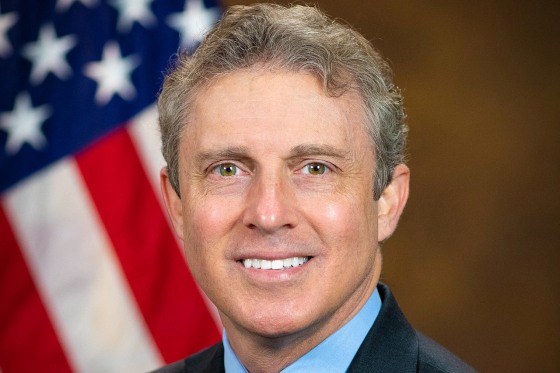
WASHINGTON — The Supreme Court has temporarily put on hold President Donald Trump’s attempt to remove Hampton Dellinger, head of the Office of Special Counsel (OSC). The court’s decision, announced Friday, neither grants nor denies the administration’s emergency request, opting instead to await the outcome of lower court proceedings scheduled for February 26th.
This marks the first major legal battle reaching the Supreme Court stemming from the Trump administration’s sweeping efforts to restructure the federal government. Lower courts have already blocked the firing of Dellinger, appointed by President Biden in March 2024. Trump seeks to replace him with Doug Collins, the Secretary of Veterans Affairs.
The court’s decision was met with dissenting opinions. Justices Sotomayor and Jackson would have outright denied the administration’s request, while Justices Gorsuch and Thomas would have granted it. Justice Gorsuch criticized the lower court’s decision as effectively commanding the president to work with someone he wants to remove.
The Trump administration, represented by Acting Solicitor General Sarah Harris, argued that the numerous temporary restraining orders issued by lower courts against its initiatives constitute judicial overreach. Harris insisted the administration is committed to complying with court orders despite recent public statements by administration officials that seemed to question this commitment.
The OSC oversees whistleblower protections and regulates political activity by federal employees. Federal law allows the president to remove the OSC head only for inefficiency, neglect, or malfeasance. However, the Supreme Court has previously ruled similar restrictions on presidential power unconstitutional in cases involving the CFPB and FHFA. The court could intervene after the February 26th hearing. The ongoing legal battle reflects the broader conflict between the Trump administration and the judiciary over the president’s authority to reshape federal agencies.
 First Piper