
Wed Feb 12 13:03:15 UTC 2025: ## India Develops Indigenous Microprocessor for Space Applications
**New Delhi, Feb 13, 2025** – The Indian Space Research Organisation (ISRO) and the Indian Institute of Technology Madras (IIT Madras) have jointly developed an indigenous microprocessor specifically designed for space applications. This groundbreaking achievement marks a significant step towards India’s self-reliance in space technology (“Atmanirbhar Bharat”).
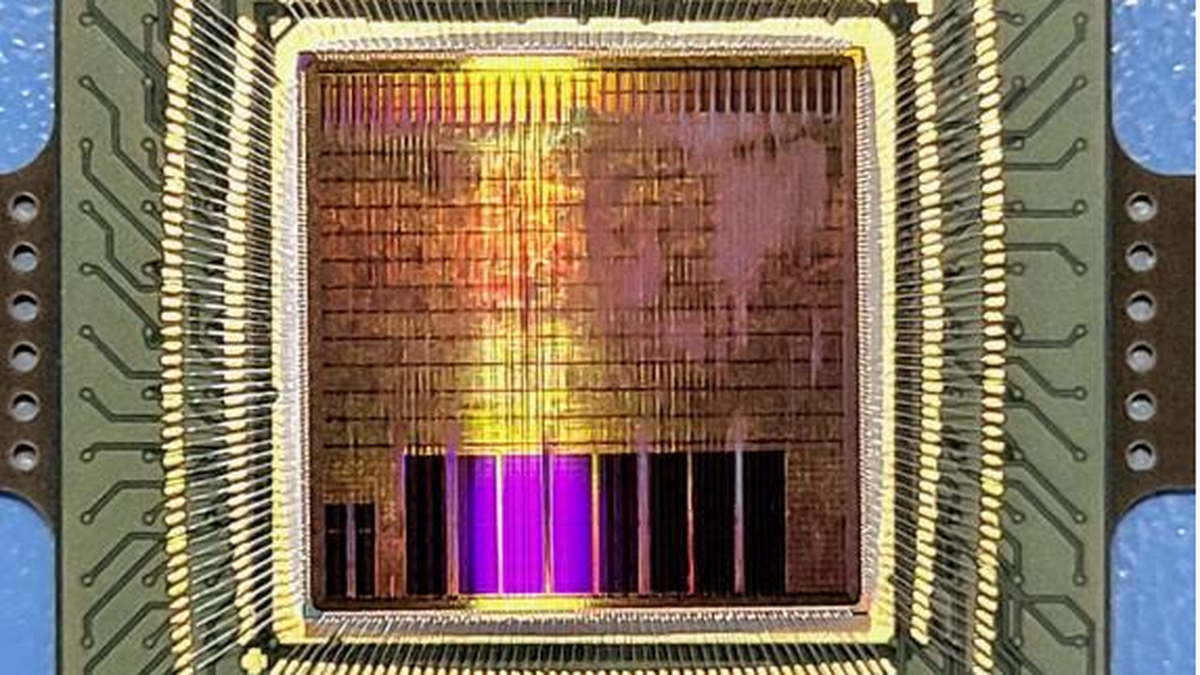
The new microprocessor, named IRIS (Indigenous RISCV Controller for Space Applications), is based on the SHAKTI processor, a product of the SHAKTI project led by IIT Madras Director V Kamakoti. The SHAKTI project, supported by the Ministry of Electronics and Information Technology’s ‘Digital India RISC-V’ initiative, utilizes the open-source RISC-V architecture.
IRIS is a 64-bit chip designed to meet the specific needs of ISRO’s sensors and systems. It incorporates features such as fault-tolerant memory and custom interfaces for enhanced reliability and performance. The chip has undergone rigorous testing, ensuring high reliability and performance crucial for space missions.
This is the third SHAKTI chip to be successfully fabricated and booted in India, highlighting the country’s growing capabilities in semiconductor design, fabrication, and software development. The entire process, from design to testing, was completed within India.
ISRO Chairman V Narayanan expressed confidence in IRIS’s contribution to future space missions, with flight tests planned shortly. IIT Madras Director Kamakoti emphasized the chip’s versatility, highlighting its potential applications beyond space, including IoT and strategic computing systems. The development is a crucial step in India’s efforts to achieve self-sufficiency in semiconductor technology and strengthen its space program.
 First Piper