
Tue Feb 18 04:53:43 UTC 2025: ## Space Exploration Risks Contamination: Scientists Develop New Sterilization Techniques
**Bengaluru, India (February 18, 2025)** – As nations, particularly the United States, ramp up plans for Mars colonization, concerns about interplanetary contamination are rising. While the exploration of celestial bodies has yielded invaluable scientific discoveries, the risk of carrying Earth-based life to other planets (forward contamination) and bringing extraterrestrial life back to Earth (back contamination) is significant.
A recent article in *The Conversation*, republished by The Hindu, highlights the dangers of this two-way contamination. Scientists have long recognized this risk, with discussions dating back to 1956, even before the launch of Sputnik 1. Current methods to mitigate forward contamination involve sterilizing spacecraft components using high temperatures or chemicals, and assembling them in clean rooms. However, these methods have limitations, as high temperatures can damage materials, and chemicals can corrode spacecraft parts.
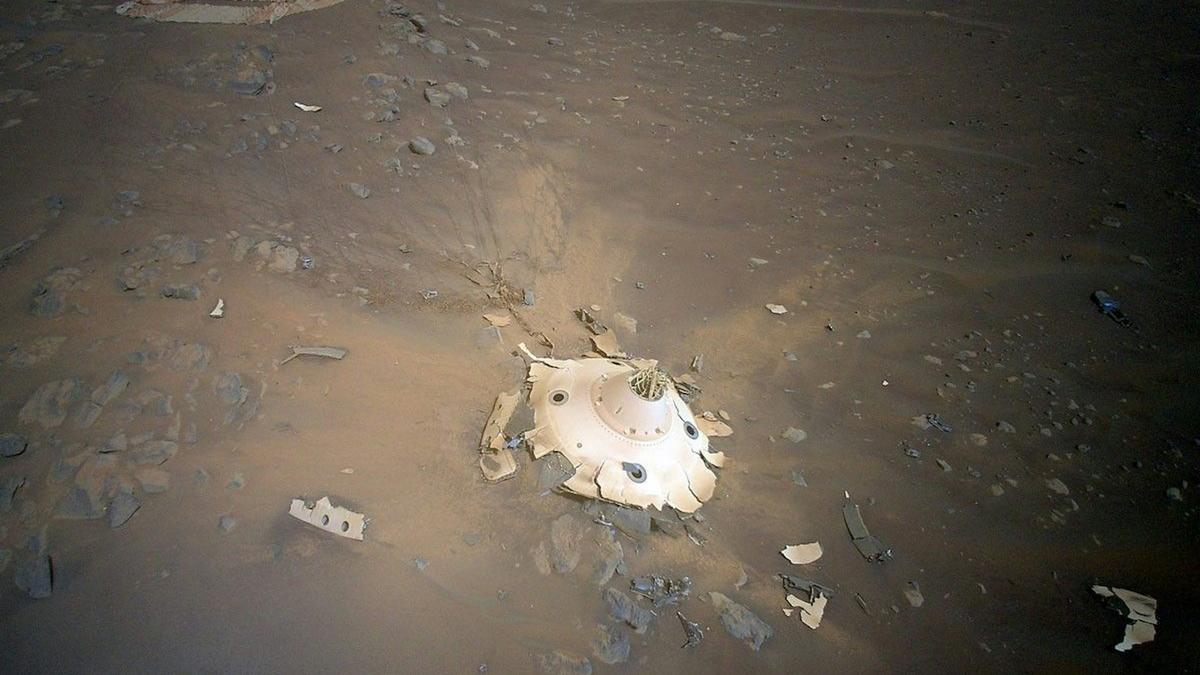
Past Mars missions may have already introduced bacterial spores from Earth. To address this, end-of-mission strategies, like the deliberate crash of the Cassini probe into Saturn’s atmosphere, have been employed to destroy potentially contaminated spacecraft. Sample return missions, like OSIRIS-REx, utilize airtight containers and specialized handling facilities to prevent back contamination.
However, research continues to develop more effective sterilization techniques. A new “active plasma sterilizer” is being developed, capable of decontaminating materials at low temperatures in just 45 minutes, making it suitable for temperature-sensitive components.
The article draws a parallel between interplanetary contamination and the devastating impact of invasive species introduced to Australia during European colonization, emphasizing the need for rigorous protocols to protect both potential extraterrestrial life and scientific integrity. The potential for damage to alien environments underscores the importance of continued research and development in interplanetary contamination mitigation strategies.
 First Piper