
Fri Feb 14 05:02:17 UTC 2025: ## Tunisia’s Crackdown on Sub-Saharan Migrants Sparks International Condemnation
**Tunis, Tunisia –** A year after Tunisian President Kais Saied’s anti-migrant rhetoric sparked a wave of racially motivated attacks, the situation for sub-Saharan African migrants in the country remains dire. A new report highlights a systematic crackdown by Tunisian authorities, leaving thousands vulnerable and without support.
According to the World Organisation Against Torture (OMCT), the government has criminalized migration, depriving vulnerable individuals of essential aid and leaving them in precarious situations. The UN refugee agency suspended new applications in Tunisia last June following instructions from the government. At least 10 individuals working with migrant aid organizations have been detained since May, accused of funneling foreign funds. Among those arrested are prominent human rights figures, including the president of the Tunisian Refugee Council. The clampdown has led to the suspension or reorientation of numerous migrant aid organizations.
The crisis is not solely internal. A deal between Tunisia, Italy, and the European Union, worth €105 million, aimed to curb migrant departures to Europe. While the EU reported a significant decrease in migrant arrivals in 2024, reports allege that Tunisia has engaged in mass expulsions and even the sale of migrants to Libyan armed groups.
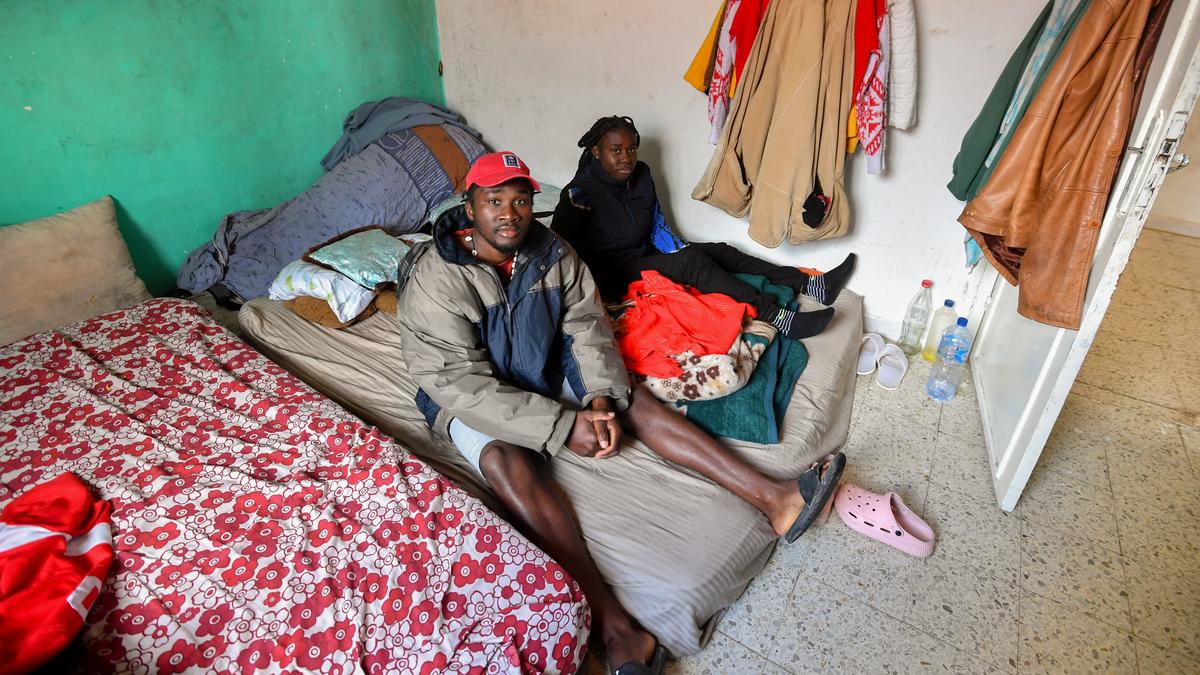
One Tunisian academic, speaking anonymously, linked the current situation to Tunisia’s unresolved history of racism, stating that President Saied’s statements merely reflected pre-existing sentiments. Meanwhile, migrant aid groups and human rights organizations denounce Europe’s complicity, citing agreements facilitating the expulsion of migrants to dangerous border regions. Migrants themselves, like Jonas (pseudonym), who fled ethnic violence in Nigeria, describe a lack of assistance and a frozen asylum system in Tunisia. He survives by scavenging for plastic waste.
The situation underscores a complex interplay of domestic politics, international agreements, and human rights violations, leaving thousands of sub-Saharan migrants in a precarious and increasingly dangerous situation. Despite the Tunisian government’s claim of a “balanced approach,” international concern continues to mount.
 First Piper