
Thu Feb 13 07:51:17 UTC 2025: ## India’s Budget 2025: A Missed Opportunity? Sharoor Critiques “Feel-Good” Approach
**NEW DELHI** – India’s Union Budget 2025, touted as a “middle-class budget” for its Rs 12 lakh income tax exemption, has drawn sharp criticism from MP Shashi Tharoor, who argues it fails to address critical economic challenges. While the tax break provides some relief, Tharoor contends the budget overlooks pressing issues such as rampant unemployment, a stagnant MSME sector, and inadequate healthcare provisions.
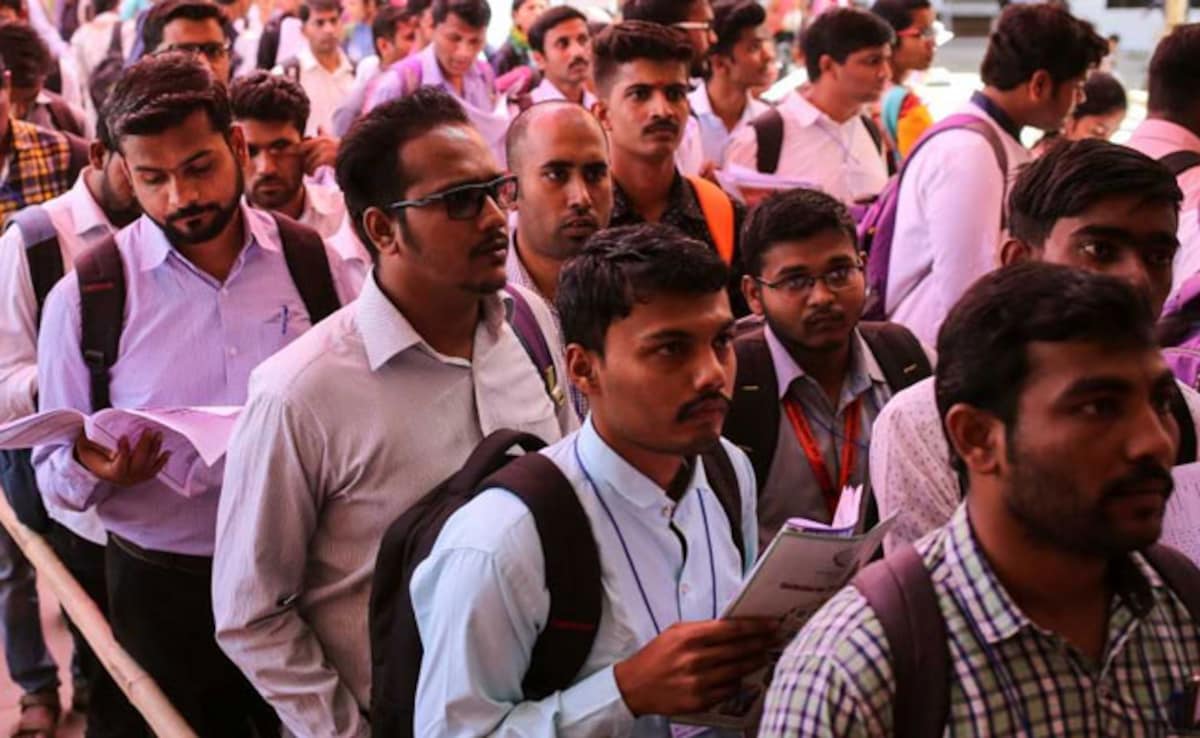
The budget’s allocation for the Employment Linked Incentive scheme was slashed from Rs. 10,000 crore to Rs. 6,799 crore, raising concerns about the government’s commitment to job creation. The MGNREGA scheme, vital for millions in rural India, also received a stagnant allocation despite surging demand and a significant shortfall in wages.
Tharoor highlights the lack of substantial financial support for key sectors like toys, leather, and footwear, despite ambitious goals for growth. The MSME sector, crucial for employment, remains largely neglected, with limited access to credit and insufficient support.
Concerns about fiscal prudence are also raised, with the government aiming for a modest reduction in the budget deficit and foregoing significant tax revenue. This, Tharoor warns, could compromise essential welfare programs. A sharp decline in FDI inflows further underscores a lack of investor confidence due to regulatory hurdles and policy uncertainty.
The budget’s failure to expand healthcare coverage, particularly for the 400 million Indians lacking financial protection against medical costs, is another major point of contention. While the PM-JAY expansion is commendable, it’s deemed insufficient to address the vast unmet need.
The UDAN regional connectivity scheme, while expanded, faces funding cuts threatening its long-term viability. Furthermore, Tharoor criticizes the disproportionate allocation of funds to Bihar, suggesting political motivations override economic priorities. Kerala’s requests for climate resilience funds and healthcare improvements were also ignored, reflecting, Tharoor argues, a systemic indifference towards the state’s needs. The fishing community’s plight is also highlighted with a lack of support despite facing significant challenges.
Tharoor concludes that the budget, despite some positive aspects, lacks the bold vision and decisive action needed to address India’s multifaceted economic challenges, falling short of achieving a truly “Viksit Bharat” (developed India). He questions whether the budget truly reflects the government’s commitment to “Sab ka saath sab ka vikas” (cooperative development for all).
 First Piper