
Sat Feb 01 19:07:02 UTC 2025: ## India’s Health Budget: A Missed Opportunity, Claims Expert
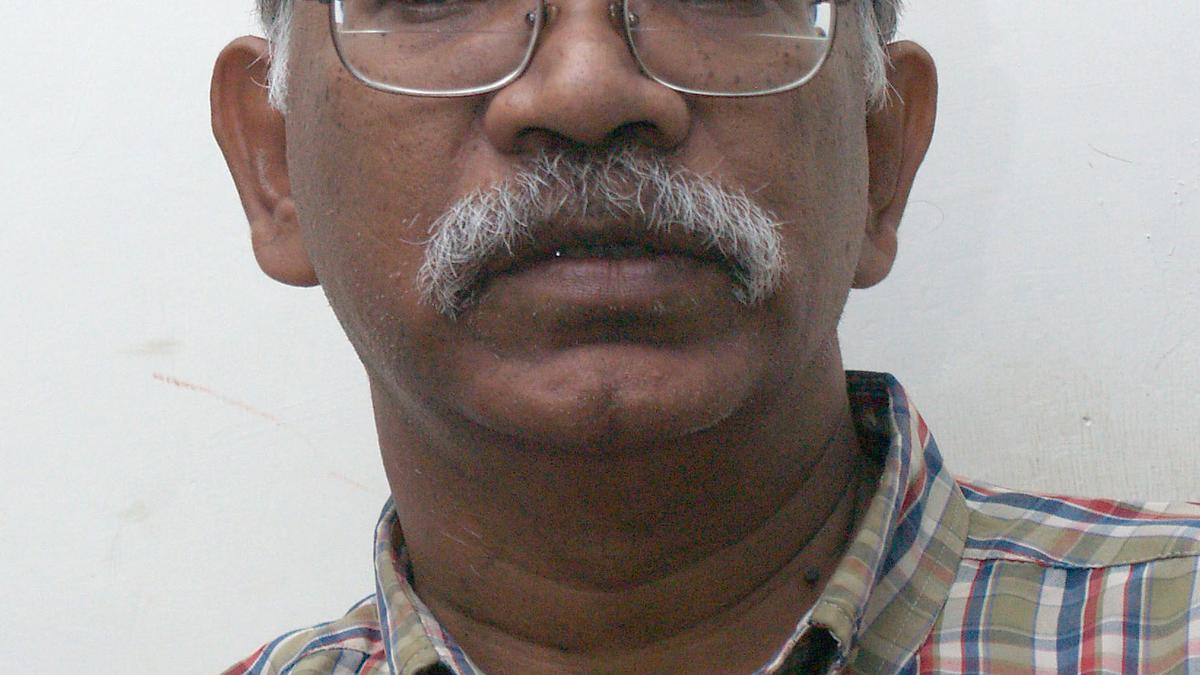
**CHENNAI, February 2, 2025** – J. Amalorpavanathan, a member of the Tamil Nadu State Planning Commission, criticized India’s latest health budget, calling it a missed opportunity to significantly improve public health. While welcoming some initiatives, Amalorpavanathan highlighted several shortcomings.
The budget allocates approximately ₹95,000 crore to health, a negligible increase after adjusting for inflation. Amalorpavanathan argued that this falls short of the desired 2.5% of GDP, a figure that would drastically reduce India’s high out-of-pocket healthcare expenditure (currently 50-60%). He pointed out that 350 million citizens lack access to basic medical care, a problem largely unaddressed by the budget.
Although the increased funding for nutritional programs like Anganwadi and Poshan 2.0 is positive, Amalorpavanathan expressed concern over the lack of progress despite decades of implementation. He stressed the need to identify the root causes of stagnation in reducing anemia and malnutrition.
The planned increase in medical seats, from 10,000 this year to 75,000 over five years, also drew criticism. Amalorpavanathan questioned the plan’s impact on public health, arguing that increased doctor numbers won’t translate to improved access unless the government actively absorbs them into public service. He also highlighted concerns that the abolition of the domiciliary quota will favor students from wealthier states, potentially leaving underserved areas without adequate medical professionals.
While the duty waiver on 36 life-saving drugs is welcome, Amalorpavanathan advocated for making all essential WHO-listed drugs freely available in government hospitals and affordably priced in government pharmacies, emphasizing the need for quality assurance. He further criticized the lack of comprehensive cancer care programs across most states, describing the planned increase in daycare cancer centers as a cosmetic measure without a broader strategy. Finally, the emphasis on medical tourism, he believes, prioritizes foreign exchange over public health needs. He suggested a cess on medical tourism could fund improvements to public hospitals.
 First Piper