
Wed Jan 22 08:56:03 UTC 2025: ## Trump’s Second Term: A Softer Stance on China?
**Washington D.C.** – Donald Trump’s second term began with the declaration of a “golden age” for America, a seemingly forward-looking promise following his “Make America Great Again” campaign. While his inaugural address hinted at economic prosperity and strength, the path to achieving this goal hinges on managing US-China relations, arguably the most crucial bilateral relationship globally.
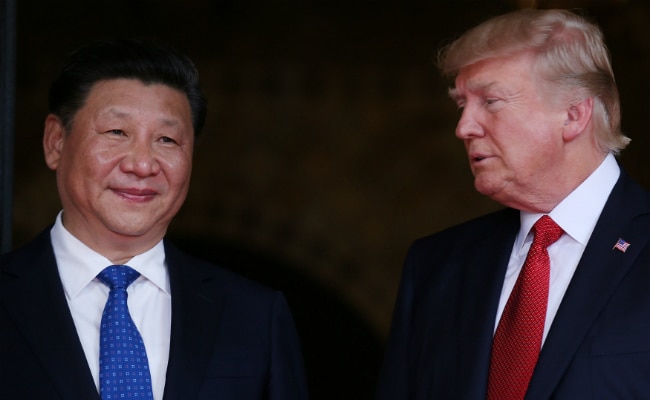
Contrary to expectations of an immediate escalation of trade tensions, Trump’s actions suggest a more nuanced approach than his previous term. Despite campaign promises of steep tariffs on Chinese goods, he has indicated a 10% tariff instead, significantly less than the previously threatened 60%. Furthermore, his positive gestures towards Chinese President Xi Jinping, including an invitation to his inauguration and a seemingly productive phone call, point to a willingness to engage in dialogue. Trump’s decision to delay a ban on TikTok and seek an American buyer further highlights this less confrontational stance.
However, the article argues that Trump’s seemingly conciliatory approach might not be a significant departure from his predecessor, Joe Biden. The author contends that Biden, despite a quieter approach, implemented a far more extensive and coordinated strategy to contain China, including imposing significant tariffs, tightening export controls, and building international coalitions against Chinese influence. Biden’s actions spanned broader areas than just trade, including technology, military advancements, and geopolitical influence.
While some Western analysts anticipate a second Cold War, the piece suggests China is well-prepared for any potential trade conflict. China has significantly diversified its trade partnerships, forging strong ties with ASEAN, the Arab world, Latin America, and other regions, creating economic resilience against potential US pressure. The Regional Comprehensive Economic Partnership (RCEP), a massive free trade agreement involving many Asia-Pacific countries, serves as a significant counterbalance to potential US tariffs. China’s increased trade with ASEAN and the Arab world, and its substantial investments in various regions, demonstrate its robust economic network.
The author concludes that Trump’s approach towards China is more complex than initially perceived. While his rhetoric remains strong, his actions suggest a willingness to negotiate. The ultimate question, the article asserts, is whether the US is prepared for a trade conflict with a far stronger and more economically diversified China than four years ago.
 First Piper