
Sun Jan 19 09:57:20 UTC 2025: ## Invasive Water Hyacinth Cripples Kenyan Fishing Industry, Innovative Startup Offers Solution
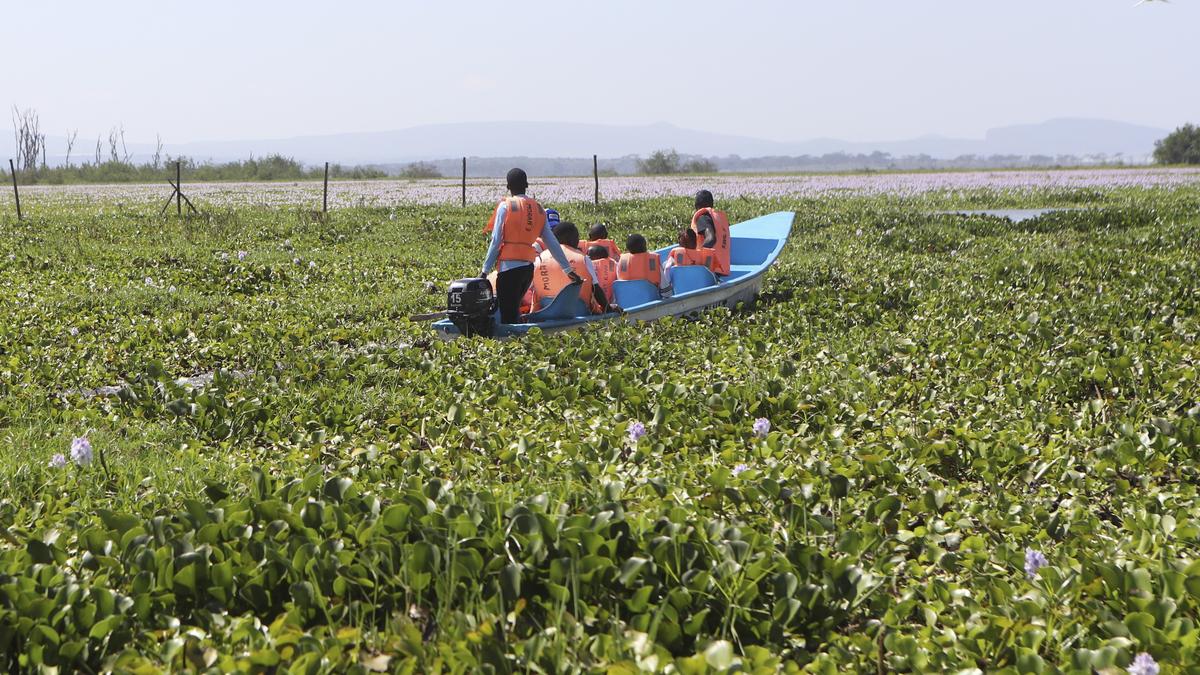
**NAIROBI, Kenya (January 19, 2025)** – The invasive water hyacinth plant is devastating Lake Naivasha’s fishing industry, causing significant economic losses and hardship for local fishermen. The plant, introduced to Kenya in the 1980s, has rapidly spread across large sections of the lake, hindering fishing activities and dramatically reducing fish populations.
Fishermen report an 80% decline in their daily catch, with earnings plummeting from approximately $210 to $35. They describe becoming trapped for over 18 hours in the dense mats of hyacinth, losing both their catch and their nets. The East African Journal of Environment and Natural Resources estimates annual losses to Kenya’s fishing, transport, and tourism sectors from water hyacinth invasion in lakes across the country, including Lake Victoria, to be between $150 million and $350 million.
Environmental scientist Gordon Ocholla of Mount Kenya University explains that the hyacinth thrives in polluted water, further exacerbating the problem. Its rapid growth prevents sunlight and airflow, negatively impacting aquatic life. While various methods exist to control the plant, including physical removal, biological controls, and chemical treatments, the hyacinth’s rapid regrowth presents a significant challenge. Previous attempts to utilize the plant for biogas production have failed.
However, a glimmer of hope emerges from HyaPak, a Kenyan startup that transforms water hyacinth into biodegradable packaging. Founded by Joseph Nguthiru, the company partners with 50 fishermen, paying them to harvest and dry the plant. This material is then processed into biodegradable bags primarily for the agricultural sector. While HyaPak currently processes 150 kilograms of hyacinth weekly, producing 4,500 packages, experts caution that scaling up this solution to match the plant’s invasive growth remains a major hurdle to solving the wider problem. The success of HyaPak and similar initiatives hinges on their ability to expand operations significantly to counteract the devastating impact of the water hyacinth.
 First Piper