
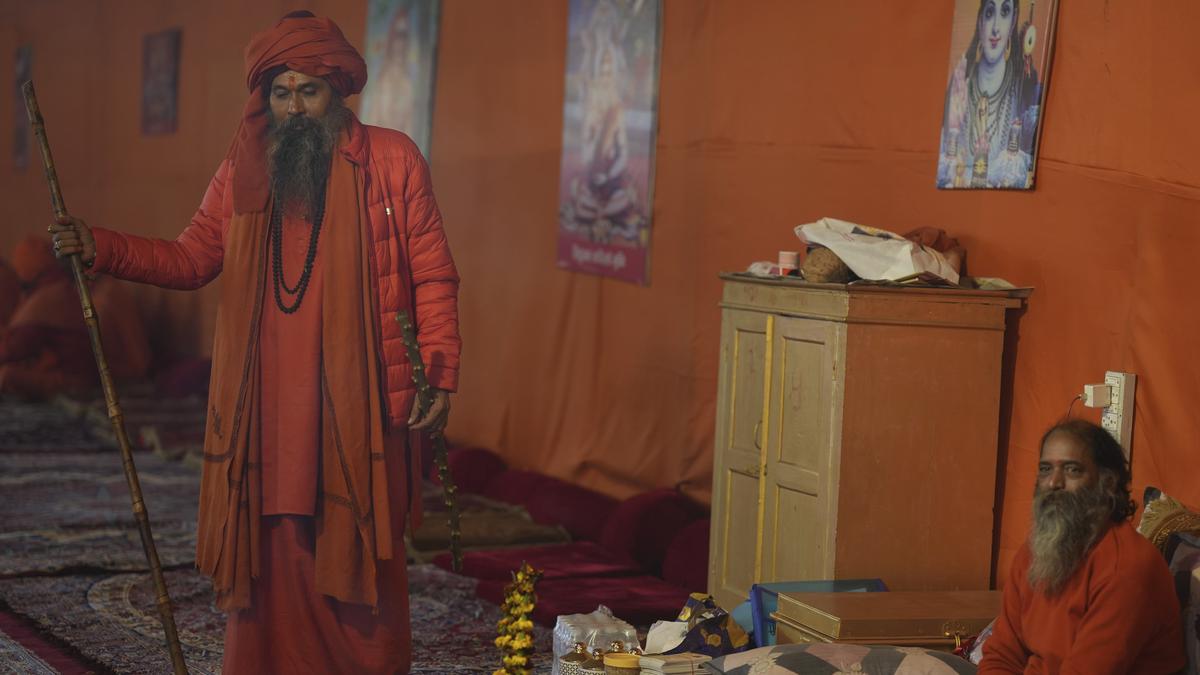
Tue Jan 14 04:34:03 UTC 2025: ## Maha Kumbh Mela Begins with Auspicious ‘Amrit Snan’
**Prayagraj, Uttar Pradesh, January 14, 2025** – The Maha Kumbh Mela, one of the world’s largest religious gatherings, commenced today with the first “Amrit Snan” (holy bath) at the Sangam, the confluence of the Ganges, Yamuna, and mythical Saraswati rivers. Thousands of Naga Sadhus (holy men) from thirteen Akharas (religious orders) participated in the auspicious ceremony, which took place on the occasion of Makar Sankranti.
The Shri Panchayati Akhara Mahanirvani and Shri Shambhu Panchayati Atal Akhara were the first to take the holy dip, marking the beginning of a series of significant bathing rituals. This year’s event is particularly significant, occurring after a 12-year interval, and according to some seers, aligning with celestial events not seen in 144 years.
Uttar Pradesh Chief Minister Yogi Adityanath congratulated devotees participating in the “Amrit Snan,” referring to the event as a testament to India’s enduring cultural and religious heritage. The atmosphere was charged with religious fervor, filled with chants of “Har Har Mahadev,” “Jai Shri Ram,” and “Jai Ganga Maiyya.”
This year’s Kumbh Mela introduced a shift in terminology. Traditional terms like “shahi snan” (royal bath) and “peshwai” have been replaced with “Amrit Snan” and “Chhavni Pravesh,” respectively. Akhil Bharatiya Akhara Parishad (ABAP) president Mahant Ravindra Puri explained that the change reflects a desire to use Sanskrit or other “Sanatani” names for religious events. He clarified that this decision was not intended to create divisions.
The timing of this year’s Kumbh is considered doubly auspicious, as the “Amrit Snan” follows closely on the heels of Monday’s “Paush Purnima” snan and occurs after the recent grand Pran Pratishtha ceremony for Lord Ram Lalla in Ayodhya. This confluence of religious events has drawn a massive number of pilgrims to Prayagraj. The Maha Kumbh Mela administration has carefully coordinated the bathing schedule for the various Akharas.
 First Piper