
Mon Jan 13 04:55:57 UTC 2025: ## Lebanon’s Slow Recovery Six Weeks After Israel-Hezbollah Ceasefire
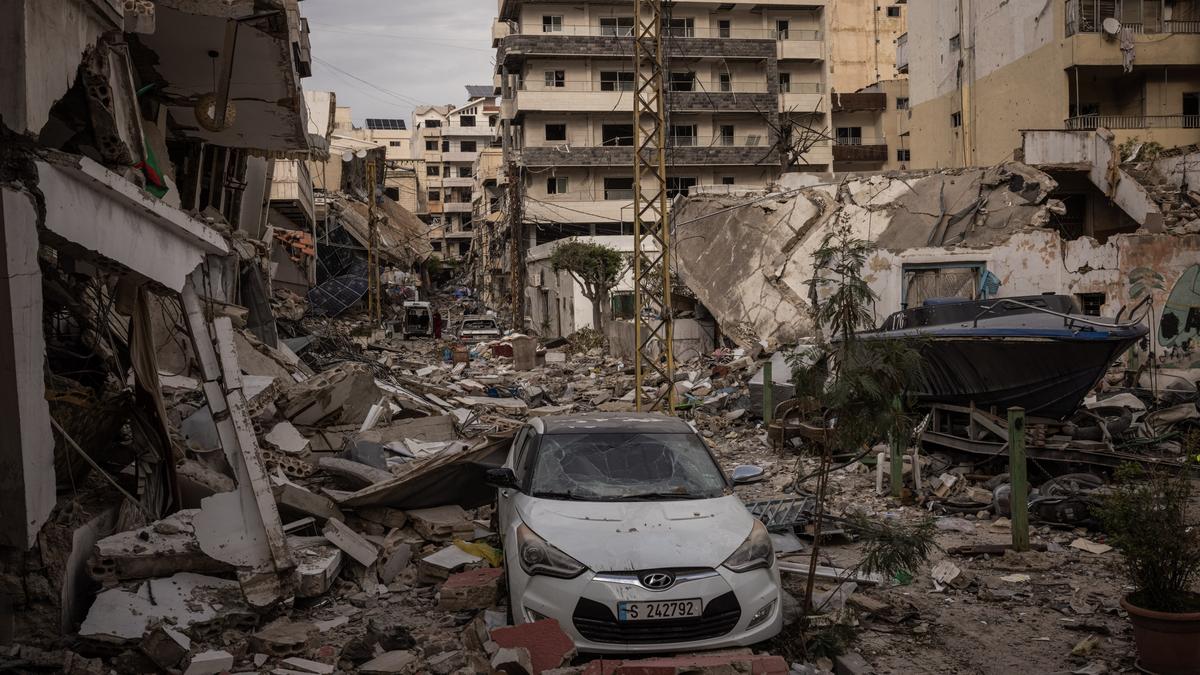
**BEIRUT, Lebanon –** Six weeks after a US-brokered ceasefire ended the war between Israel and Hezbollah, Lebanon is grappling with a slow and uncertain reconstruction process. Tens of thousands of homes lie in ruins across southern and eastern Lebanon, and Beirut’s southern suburbs, following Israeli airstrikes. The World Bank estimates infrastructure losses at $3.4 billion, a figure reached before the November ceasefire.
The delay in rebuilding is multifaceted. Israeli soldiers remain in villages along the Lebanon-Israel border, despite a ceasefire agreement mandating their withdrawal by January 26th. This prevents residents from returning to their homes. Furthermore, the agreement stipulates that the Lebanese Army replace Hezbollah in dismantling militant positions, but disagreements over the timing of this process are hindering progress. Israeli officials claim the Lebanese Army is too slow, while Lebanon argues Israeli forces must withdraw first.
Funding for reconstruction is also a major obstacle. While Hezbollah has pledged to assist in rebuilding, as it did after the 2006 war, its resources are significantly diminished after the recent conflict. Iran, Hezbollah’s primary ally, is facing its own severe economic crisis, limiting its ability to provide support. The Lebanese government, already struggling with a prolonged economic crisis, is unable to provide substantial aid. International donors are also likely stretched thin due to the post-war needs in Gaza and Syria.
Many Lebanese are relying on Hezbollah’s promised compensation, but payouts have been significantly less than the cost of the damage, leaving many struggling to rebuild their lives. The slow pace of reconstruction and compensation, coupled with ongoing political and economic instability, casts a shadow over Lebanon’s future.
 First Piper