
Sun Jan 12 17:33:15 UTC 2025: ## India and US to Jointly Produce Advanced Sonobuoys for Indian Navy
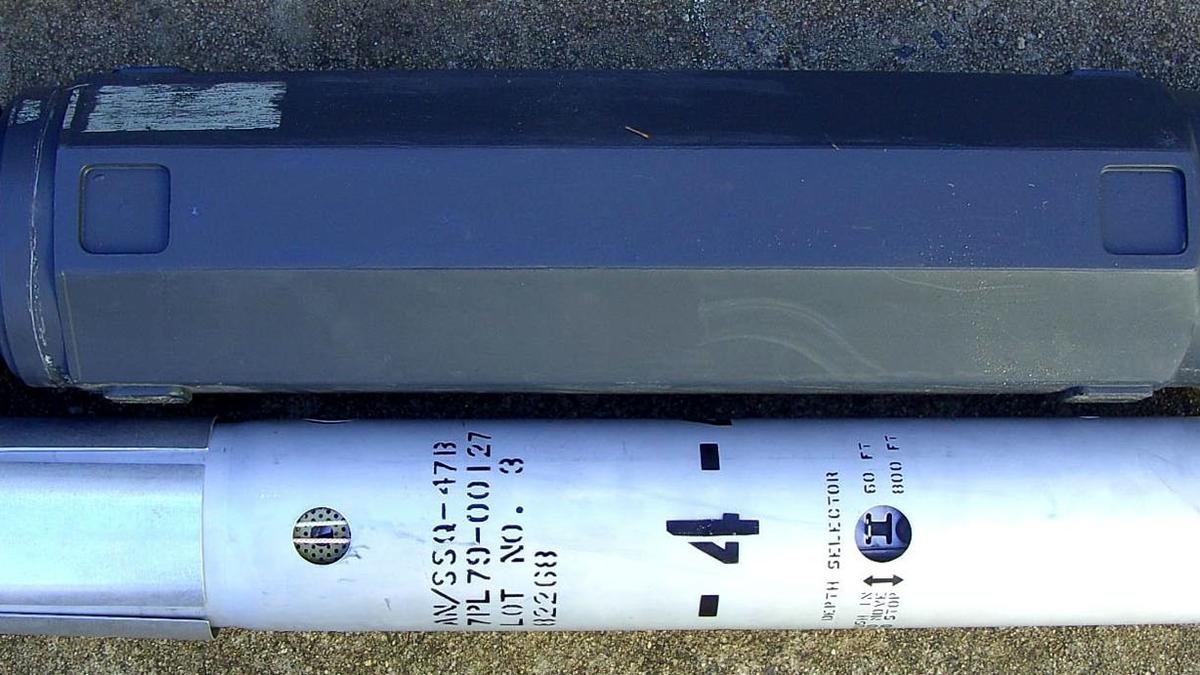
**NEW DELHI, January 13, 2025** – India and the United States are embarking on a landmark partnership to co-produce advanced sonobuoys, a crucial technology for detecting submarines. The final assembly of these U.S.-designed systems will take place in India, with an operational production line expected to be ready by 2027.
This collaboration, announced following a recent visit by U.S. National Security Advisor Jake Sullivan, represents a significant boost to India’s undersea surveillance capabilities. The sonobuoys, produced in partnership between U.S. firm Ultra Maritime and India’s Bharat Dynamics Limited (BDL), will be compatible with the Indian Navy’s P-8I aircraft, MH-60R helicopters, and the forthcoming MQ-9B Sea Guardian drones. Ultra Maritime confirmed the partnership, stating the final assembly will be conducted in India, aligning with the “Make in India” initiative. The company also plans to explore opportunities for Indian suppliers to join its global supply chain.
The sonobuoys are designed to be interchangeable and interoperable with those used by the U.S. Navy and other allied nations, notably Australia and Japan, further strengthening Quad cooperation. This development comes as China expands its naval presence in the Indian Ocean, highlighting the growing importance of undersea domain awareness for India’s national security. India is also independently pursuing seabed sensor technology, with several domestic startups currently undergoing trials.
The agreement signifies a key element of the U.S.-India Initiative on Critical and Emerging Technologies (ICET), launched in 2022. Beyond the initial production, Ultra Maritime and BDL will collaborate on developing new sonobuoy technologies optimized for the unique acoustic environment of the Indian Ocean. The Indian Navy’s acquisition of these cutting-edge technologies underscores its commitment to maintaining a strong maritime presence in the region.
 First Piper