
Sat Jan 04 06:11:10 UTC 2025: ## Mystery 1831 Volcano That Cooled the Northern Hemisphere Finally Identified
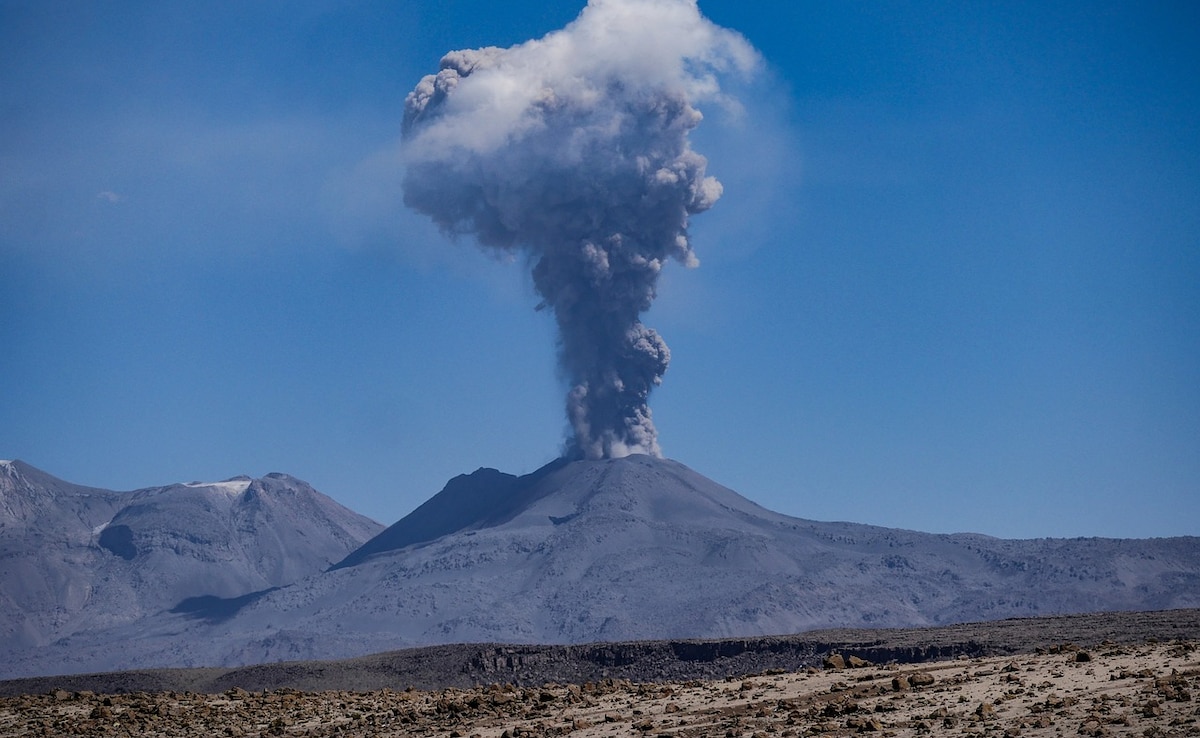
**London, UK** – Scientists have solved a nearly 200-year-old mystery surrounding a powerful volcanic eruption that caused a significant drop in Northern Hemisphere temperatures. Research published Monday in the *Proceedings of the National Academy of Sciences* pinpoints the culprit: the Zavaritskii volcano, located on Simushir Island in the Kuril Islands archipelago, a disputed territory between Russia and Japan.
The 1831 eruption caused a roughly 1°C decrease in annual average temperatures in the Northern Hemisphere, occurring during the tail end of the Little Ice Age. While the year of the eruption was known, the volcano’s location remained elusive until now.
Researchers used ice core samples from Greenland, analyzing sulfur isotopes, volcanic glass shards, and ash deposits from 1831-1834. By combining this data with radioactive dating, geochemistry, and computer modeling of particle trajectories, they were able to definitively link the climatic event to Zavaritskii.
The remote location of the volcano, coupled with limited historical records beyond a few passing ship logs, explains why it remained unidentified for so long. Previous theories implicated other volcanoes, particularly those closer to the equator. Dr. William Hutchison of the University of St. Andrews, lead author of the study, highlighted the limited understanding of eruptive histories for many remote volcanoes. The study reveals that Zavaritskii’s last significant eruption before 1831 was in 800 BC.
This discovery significantly advances our understanding of past volcanic activity and its impact on global climate. The identification of Zavaritskii as the source of the 1831 eruption provides crucial data for future climate models and improves our ability to predict the effects of future volcanic events.
 First Piper