
Thu Jan 02 03:30:00 UTC 2025: ## Bengaluru’s Water Crisis: Recurring Contamination Threatens Public Health
**Bengaluru, January 2, 2025** – Bengaluru residents are facing a recurring nightmare: contaminated drinking water. Recent incidents in BTM Layout and HBR Layout, where sewage flowed into Cauvery water lines, affecting hundreds, highlight a critical failure in the city’s water infrastructure. These incidents follow a 40% spike in cholera cases in April, linked to water contamination.
The problem stems from a confluence of issues: a chaotic and poorly maintained underground pipeline network, inadequate sewage treatment and transportation, and a lack of a timely contamination alert system. Contamination is often discovered only after residents detect a foul smell, by which time the damage is already done. Affected residents frequently incur substantial costs to flush and clean their water systems.
The presence of E. coli bacteria in water samples confirms faecal contamination, raising serious health concerns. Despite the UN’s declaration of safe drinking water as a human right, Bengaluru repeatedly fails water quality assessments. Experts criticize the infrequent testing of water for crucial parameters like coliforms and E. coli, with microbial studies often deemed unnecessary due to reliance on UV and chlorine treatment.
Independent consultants emphasize the need for a comprehensive “water safety plan,” addressing contamination at every stage, from source to consumer. Poor maintenance of pipelines, especially in areas where water and sewer lines are dangerously close, exacerbates the problem. Narrow road widths often prevent the mandated 10-foot separation between these lines, increasing contamination risks, particularly in slums.
The Bangalore Water Supply and Sewerage Board (BWSSB) is criticized for insufficient testing. Experts recommend testing at least 1,000 samples monthly, adhering to WHO standards of one sample per 10,000 people. The use of reverse osmosis (RO) technology by some households, even with access to UV-treated Cauvery water, further compounds the issue, contributing to water waste and increased salinity in discharged water. A recent study also revealed contamination by iron and nitrates in the city’s water supply.
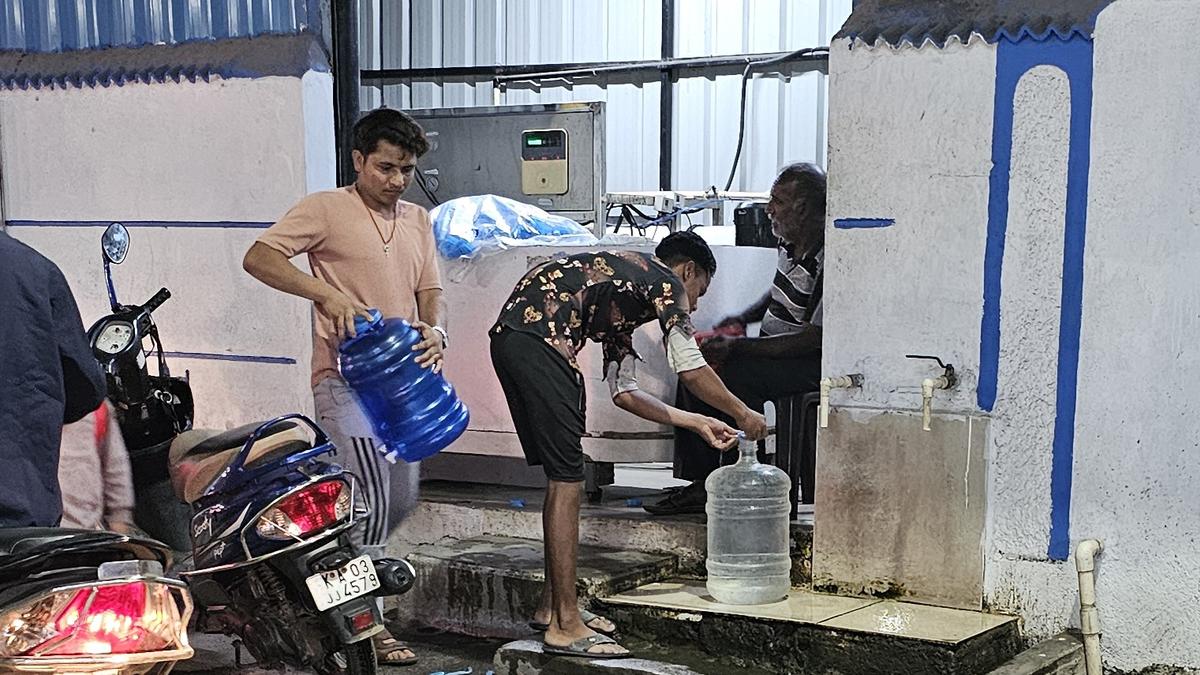
While “Pure Drinking Water” kiosks offer a solution, concerns remain about their maintenance and the safety of the water dispensed. Experts suggest improved monitoring of the RO systems at these kiosks and emphasize the importance of clean containers for water storage.
Addressing this crisis requires a multi-pronged approach: a thorough audit of contamination sources, increased water testing, improved infrastructure, and public awareness campaigns on secondary contamination prevention. Making affordable testing devices accessible to individuals and apartments is also suggested to improve monitoring. Ultimately, Bengaluru needs a sustainable solution to guarantee access to clean and safe drinking water for all its citizens.
 First Piper