
Mon Dec 30 17:03:09 UTC 2024: ## Carter’s 1978 India Visit: A Complex Mix of Goodwill and Nuclear Tensions
**New Delhi, Dec 31, 2024** – A retrospective on former U.S. President Jimmy Carter’s 1978 visit to India reveals a complex interplay of warmth and discord. While the two-day trip was hailed as a significant moment in bilateral relations, marked by enthusiastic public receptions and high-level meetings, underlying tensions over nuclear policy cast a shadow.
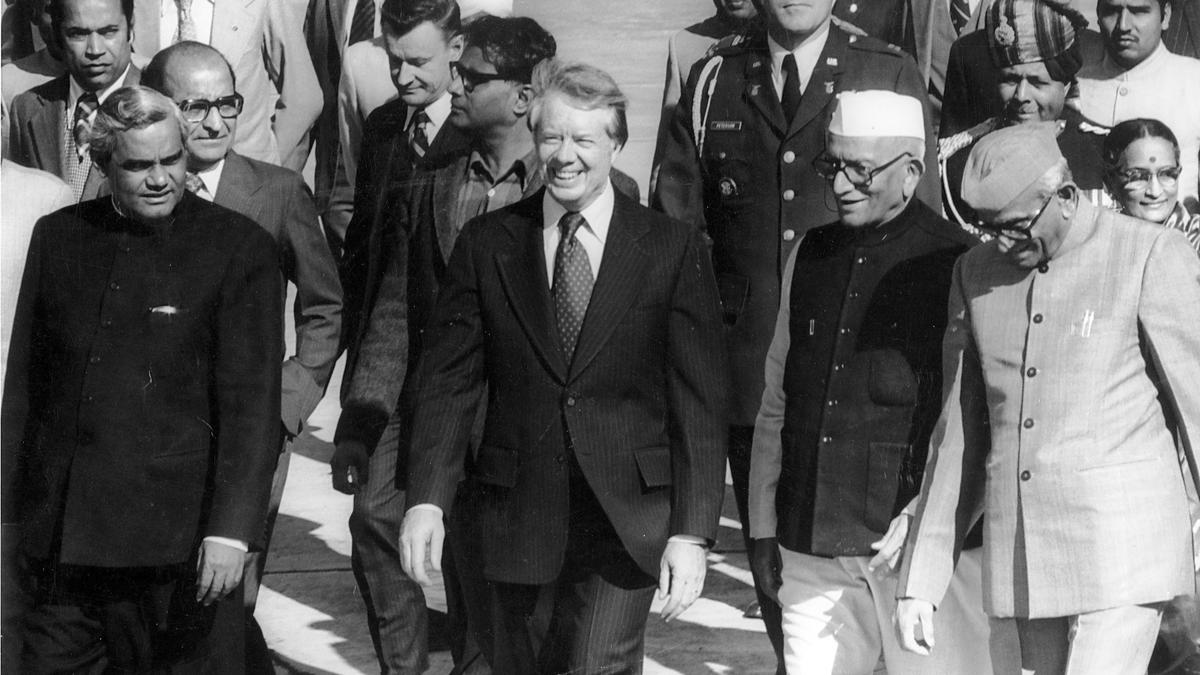
Prime Minister Narendra Modi recently lauded Carter’s contribution to strengthening Indo-U.S. ties. The visit, which followed a New Year’s Eve banquet with the Shah of Iran, saw Carter warmly received by President Neelam Sanjiva Reddy and Prime Minister Morarji Desai. The President even publicly praised Carter’s mother for her Peace Corps service in India. At a public rally, Carter emphasized the personal connection stemming from his mother’s affection for India, and drew parallels between India’s post-Emergency democratic struggle and the Watergate scandal in the US.
However, the visit was not without its difficulties. Carter’s pre-visit comments suggesting India had leaned excessively towards the Soviet Union ruffled feathers. More significantly, disagreements surfaced over nuclear non-proliferation, particularly concerning India’s nuclear program and the Tarapur Atomic Power Station fuel supply. A “hot mic” incident revealed Carter’s frustration with Desai’s firm stance on nuclear sovereignty.
While both sides downplayed the incident, experts like former Ambassador Venkatesh Verma highlighted the fundamental difference in perspective regarding India’s role in the global nuclear order. Although the visit yielded progress in areas like space cooperation and agricultural assistance, the nuclear issue remained unresolved. Ambassador Robert Goheen’s post-visit cable acknowledged the goodwill but noted that Indian media focused on the nuclear disagreements.
Carter’s hope for a turning point in relations remained unfulfilled for over two decades. It wasn’t until 2006, with the Indo-U.S. civilian nuclear deal under Presidents George W. Bush and Manmohan Singh, that significant progress was made on nuclear issues. Ironically, Carter’s return to India in 2006, coinciding with the deal’s finalization, underscored the enduring complexity of the relationship.
 First Piper