
Mon Dec 30 03:30:00 UTC 2024: ## Indian Institute of Technology-Bangalore Develops Innovative AgriTech Solutions
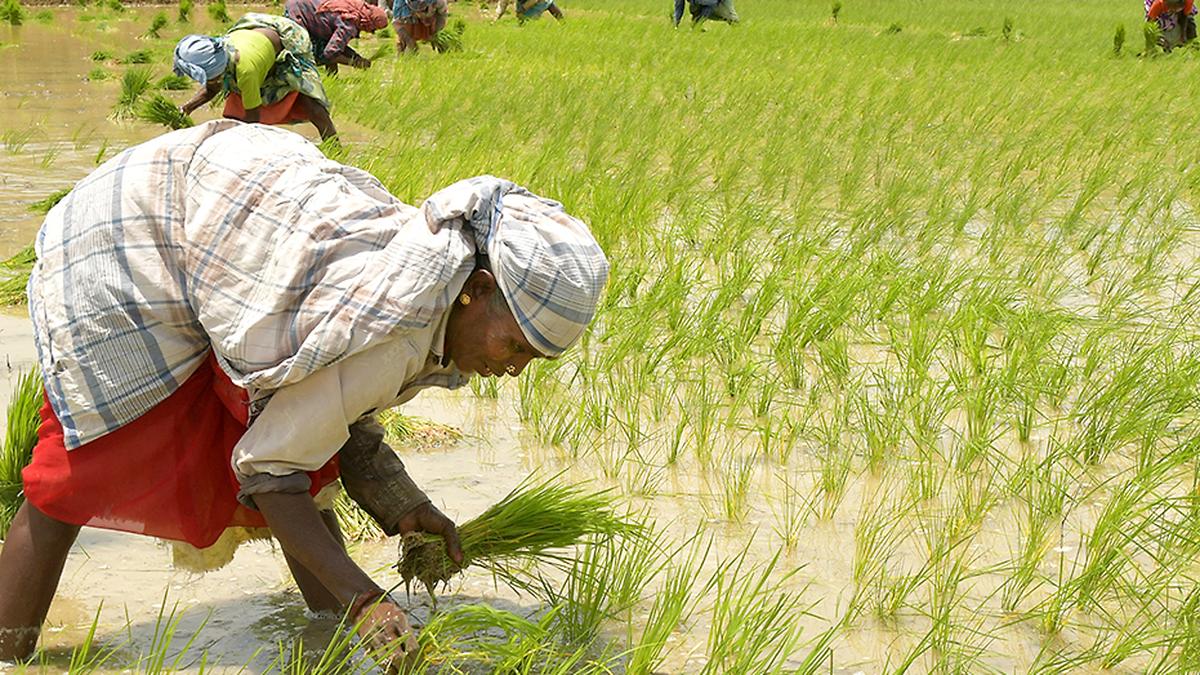
**Bengaluru, India (December 30, 2024)** – The Indian Institute of Information Technology, Bangalore (IIIT-B) is spearheading the development of innovative agricultural technologies (AgriTech) aimed at boosting efficiency and sustainability in India’s largely agrarian economy. While the AgriTech sector is estimated at $24 billion, it faces significant hurdles including low market adoption and lukewarm investor interest. IIIT-B is taking a unique, interdisciplinary approach, focusing on creating digital public goods to overcome these challenges.
The institute has developed several projects, including:
* **AutoGrow:** An autonomous greenhouse system for precision agriculture that uses AI and IoT to automate climate control, irrigation, and nutrient supply, maximizing crop yield while minimizing resource waste. The system is designed specifically for India’s abundant sunlight and high temperatures, avoiding costly components like LED lights found in Western systems.
* **AgriSense:** An IoT system using a mushroom-shaped soil-monitoring device (“Agri-cone”) to optimize irrigation and fertilizer application. Agri-cone monitors soil moisture, temperature, carbon dioxide, and ammonia levels, providing farmers with data-driven insights to prevent soil degradation and maximize crop output. The team is exploring the use of LoRA technology for improved power efficiency and range.
* **Smart Greenhouse Monitoring System:** This IoT-based system allows farmers to remotely monitor greenhouse conditions (temperature, humidity, soil moisture, pH) in real-time, facilitating precise control over the growing environment.
* **Remote Compost Monitoring System:** An intelligent IoT system that monitors and manages compost piles, helping optimize the composting process and reduce odor.
IIIT-B researchers emphasize the need for a different approach to AgriTech compared to other sectors. They are working with Farmer Producer Organizations (FPOs) to identify and address farmers’ specific needs, and advocating for the development of AgriTech solutions as open-source digital public goods, similar to Aadhaar. While acknowledging funding challenges, the team is actively seeking partnerships with startups to scale up these innovative solutions and bring them to a wider market. The researchers believe that AI-driven, India-specific solutions hold the key to transforming the country’s agricultural sector.
 First Piper